Why St. Maarten Needs a Climate Adaptation Plan, and What It Means for Everyday People

GREAT BAY--St. Maarten is not one of the countries causing the climate crisis, but it is one of the places that can feel its effects quickly and severely. That is the basic message behind a new policy note from the Central Bank of Curaçao and St. Maarten, which explains why St. Maarten and Curaçao need strong National Climate Adaptation Plans, commonly called NAPs.
In simple terms, a National Climate Adaptation Plan is a country’s long-term plan for living with the effects of climate change. It is not only about reducing pollution. For small islands such as St. Maarten, the bigger immediate issue is preparing for the changes already happening or expected to happen, including stronger storms, heavier rainfall, flooding, coastal erosion, hotter days, pressure on water and electricity systems, damage to roads and buildings, and disruption to tourism and business activity.
The Central Bank of Curacao and St. Maarten report makes it clear that small islands contribute relatively little to global greenhouse gas emissions, but face serious physical risks because of where they are located and how small they are. In St. Maarten’s case, one hurricane, flood event, heat wave or infrastructure failure can affect a large part of the country at once. That makes adaptation planning especially important.
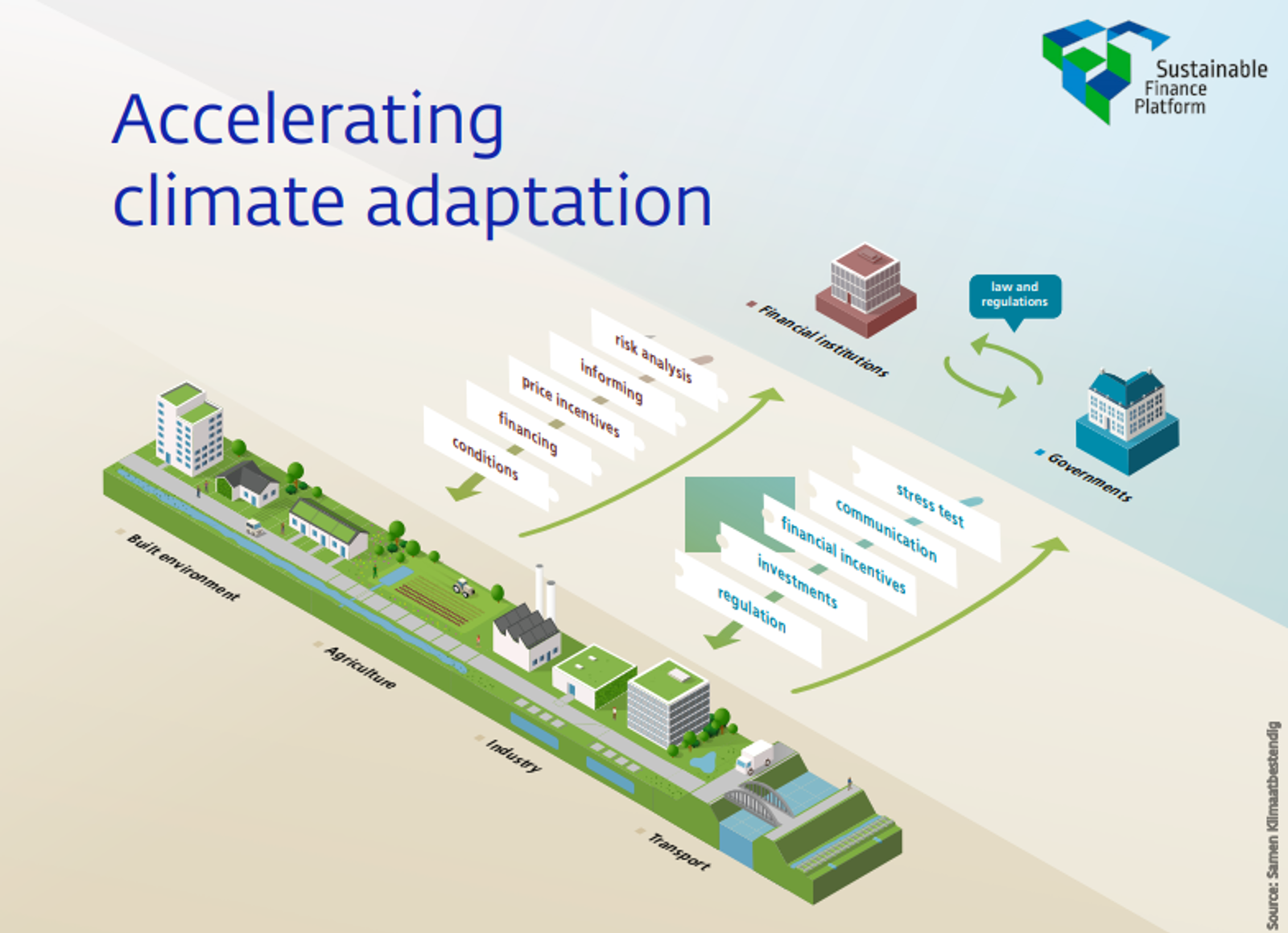
What is climate adaptation?
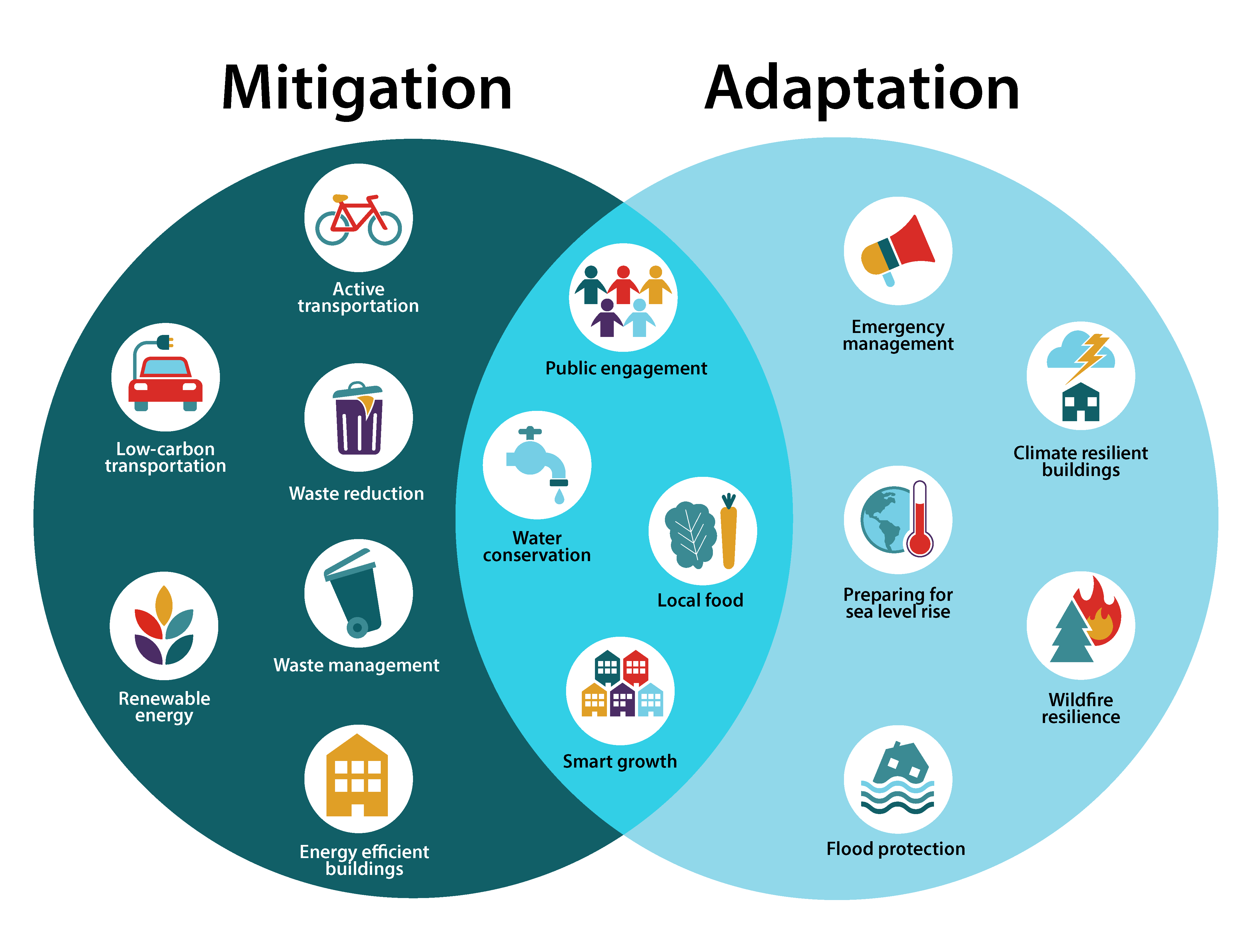
Climate adaptation means adjusting the way the country plans, builds, protects and organizes itself so that people and businesses can better handle climate-related risks.
For example, adaptation can include better drainage to reduce flooding, stronger building standards, protection of hillsides and coastlines, improved emergency planning, better water management, safer roads, heat response plans, protection of nature areas, and smarter land-use decisions.
It can also include less visible actions, such as making sure government departments work together, collecting better data, setting clear responsibilities, including climate risks in the national budget, and informing the public about what to expect.
The point is simple: adaptation is about reducing damage before it happens, instead of only reacting afterward.
Why this matters to ordinary people
For residents, this is not just a technical government document. A real adaptation plan can affect daily life in very practical ways.
It can help reduce flooding in neighborhoods after heavy rain. It can guide where homes, schools, businesses and public buildings should or should not be built. It can help ensure roads, drains, utilities and emergency shelters are designed for the climate risks St. Maarten actually faces. It can help protect jobs by making the tourism economy more resilient. It can also help lower the chance that families are left without electricity, water, income or safe housing after a major weather event.
The Central Bank explains that climate-related extreme weather can affect people, businesses, infrastructure, economic activity, employment, labor supply, electricity supply, inflation, price volatility, financial stability and the way monetary policy works. In layman’s terms, climate damage can quickly become a cost-of-living issue. It can affect the price of goods, business operations, government spending, insurance, jobs and household stability.
That is why the Central Bank is involved in the conversation. Climate adaptation is not only an environmental issue. It is also an economic issue.
What would a National Climate Adaptation Plan actually do?
According to the report, a NAP usually has four main parts: first, the country identifies what information already exists and where the gaps are. Second, it develops a strategy based on climate risks and possible solutions. Third, it puts those actions into practice, including finding funding and assigning responsibility. Fourth, it monitors progress, reviews what is working and updates the plan over time.
In plain language, the country first asks: What are our risks? Who is most exposed? What do we already know? What are we missing? What must be fixed first? Who is responsible? How will we pay for it? How will we know if it is working?
That kind of planning matters because St. Maarten already has many separate policies, projects and studies. A National Climate Adaptation Plan can help connect them, avoid duplication and turn scattered efforts into one coordinated national approach.
Where St. Maarten stands now
The report says St. Maarten does not yet have a completed National Climate Adaptation Plan, but the country is taking steps toward one. Through VROMI, government is working to establish a stronger policy basis for long-term climate adaptation and resilience building.
Two processes are currently being advanced. One is the development of a National Climate Change Adaptation Report and Framework through the European Union-funded Green Overseas Program. This will assess climate impacts specific to St. Maarten, identify vulnerabilities and possible adaptation measures, and propose policy recommendations.
The second is the development of a National Adaptation Strategy through the International Panel on Deltas and Coastal Areas, supported by Climate Adaptation Services. This strategy is expected to serve as the first national strategic document organizing St. Maarten’s adaptation priorities, identifying key risks and objectives across sectors, clarifying institutional responsibilities and guiding planning, investment and implementation.
The report says these efforts are meant to create the structure and method needed for a future NAP. In other words, St. Maarten is still building the foundation, gathering the facts, identifying the risks and deciding how the system should work.
Why public involvement matters
The report also highlights the importance of stakeholder engagement. A National Convergence Workshop was held in St. Maarten on March 12 and 13, 2026, bringing together representatives from government, civil society and the private sector involved in climate change, disaster risk management and resilient development.
The workshop reviewed priority climate risks, affected sectors, projected impacts up to 2100 and possible adaptation measures. It also looked at gaps in policy, enforcement, coordination, data, monitoring, financing and capacity. This is important because a climate plan cannot work if it stays on paper. It has to identify who does what, when, with what money, and how progress will be checked.
For the public, this means the plan should not be written only for experts. Residents, businesses, community groups, builders, insurers, environmental groups, tourism operators and neighborhood leaders all have a stake in how St. Maarten prepares for climate risks.
The danger of waiting too long
One of the clearest messages in the report is that climate adaptation should not be treated as an emergency-only issue. Countries often focus on the most visible problems, such as hurricanes, flooding and coastal damage. Those are important, but the report warns that good adaptation also has to look at long-term issues, including health, infrastructure, water, housing, land use, economic vulnerability and the needs of vulnerable communities.
For St. Maarten, that means the country cannot only clean up after every storm and call that resilience. It has to plan before the next storm, the next flood, the next heat period or the next infrastructure failure.
A proper plan can also help prevent poor decisions. For example, building in the wrong place, repairing infrastructure to the same weak standard, failing to maintain drainage, or ignoring vulnerable neighborhoods can all make the country more exposed over time.
The plan must be practical
The report identifies four major pillars for effective adaptation planning: clear framing, strong evaluation, good governance and implementation, and alignment with broader development priorities.
Put simply, the country must be clear about what problem it is trying to solve, compare different options before choosing a solution, assign responsibility, secure funding, monitor progress and make sure climate planning connects with other national priorities such as housing, public health, roads, disaster management, tourism, food security and economic development.
This is important because climate adaptation can fail when every department works separately. Roads, drainage, building permits, emergency response, health, tourism, nature protection and economic planning are all connected. If those areas are not coordinated, the country may spend money without actually reducing risk.
Why the budget matters
A strong adaptation plan must also be connected to the national budget. The report warns that depending only on donor funding is not enough. Climate adaptation should be built into annual, medium-term and long-term government spending plans.
For residents, this matters because climate resilience costs money, but poor planning usually costs more. Fixing damage after every major event can be far more expensive than reducing the risk in advance. If adaptation is included in budgeting, it becomes part of normal national planning instead of a last-minute scramble after disaster strikes.
The Kingdom connection
The report also points out that Curaçao and St. Maarten are not sovereign states, but countries within the Kingdom of the Netherlands. This creates both challenges and opportunities. On one hand, they may not always have direct access to some international climate mechanisms in the same way fully sovereign states do. On the other hand, they may benefit from technical expertise, funding channels, disaster response systems and knowledge institutions connected to the Kingdom.
For St. Maarten, this means the country should use its position wisely. It can learn from the wider Caribbean, but also push for better access to expertise and support within the Kingdom framework.
The bottom line
The Central Bank’s report is essentially saying that St. Maarten needs to move from awareness to action. The country knows it is vulnerable. The next step is to turn that knowledge into a clear, practical and funded plan.
For the people of St. Maarten, a National Climate Adaptation Plan is not just about climate policy. It is about safer homes, stronger infrastructure, better drainage, protected jobs, lower disaster risk, smarter government spending and a country that is better prepared for the future.
The report’s message is that adaptation should not be viewed as a luxury or an environmental side issue. For a small, tourism-dependent island exposed to storms, flooding, heat and infrastructure risk, it is a basic part of national security, economic stability and everyday quality of life.