

The past is not buried: How slavery and colonialism continue to shape generations
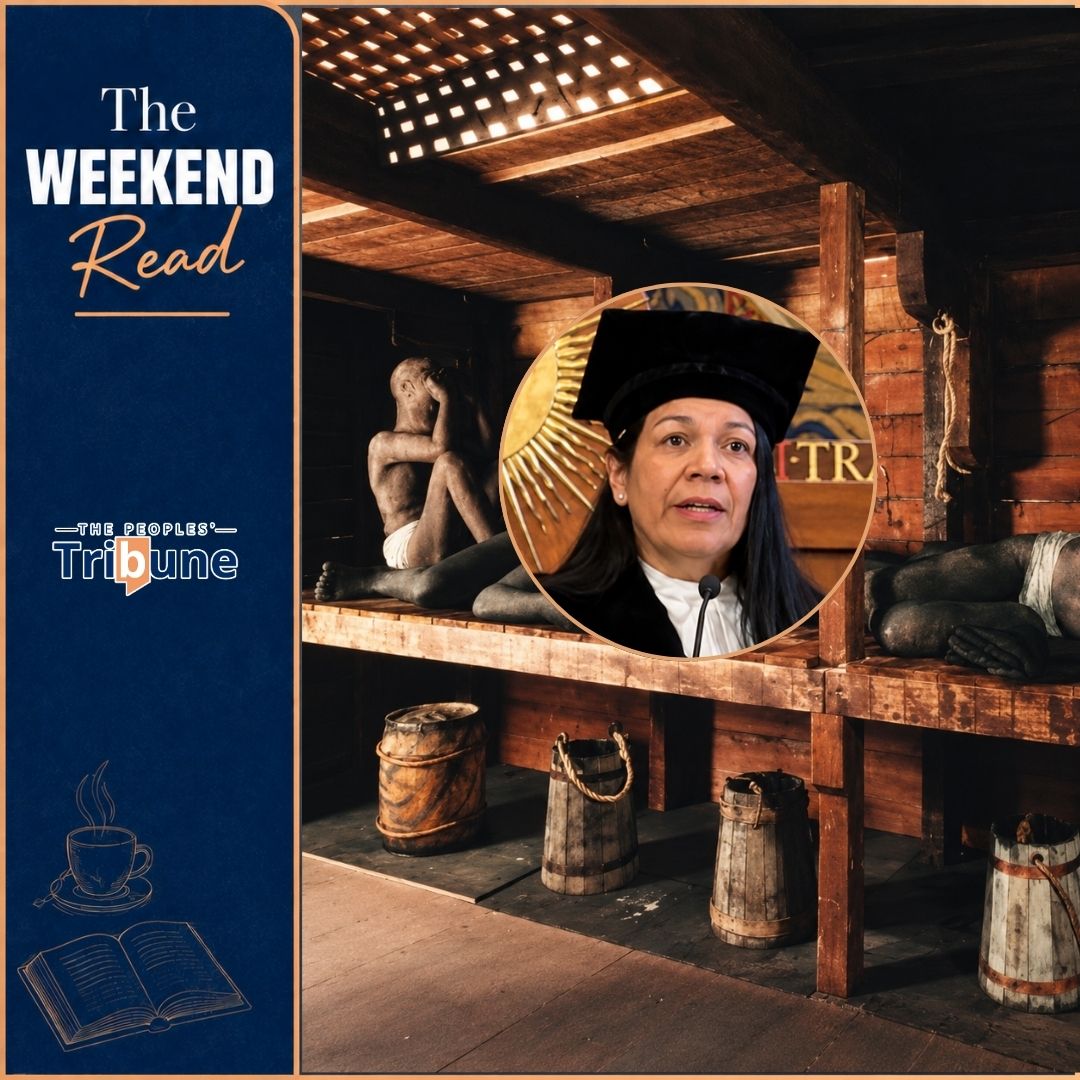
At the bottom of the Atlantic Ocean, off the coast of Florida, lies the wreck of a British slave ship that sank more than three centuries ago. Its name was Henrietta Marie, and its remains tell a story that extends far beyond the ocean floor. In 1700, the ship carried 274 enslaved African men, women and children across the Atlantic toward Jamaica. Eighty died during the voyage, while the 194 who survived were sold into slavery on Jamaican sugar plantations. The ship sank during its return journey to London, leaving behind physical evidence of one of history's most brutal systems of human exploitation.
When divers discovered the wreck in 1972, they recovered African beads, an elephant tusk and iron shackles, including restraints small enough for children. More than twenty years later, Black American divers returned to the wreck and placed a memorial plaque on the seabed, honoring those who had suffered aboard the vessel. For Dutch historian Professor Esther Captain, this act of remembrance raises a profound question: Why do people living centuries after slavery feel compelled to reconnect with people whose lives ended long before they were born?
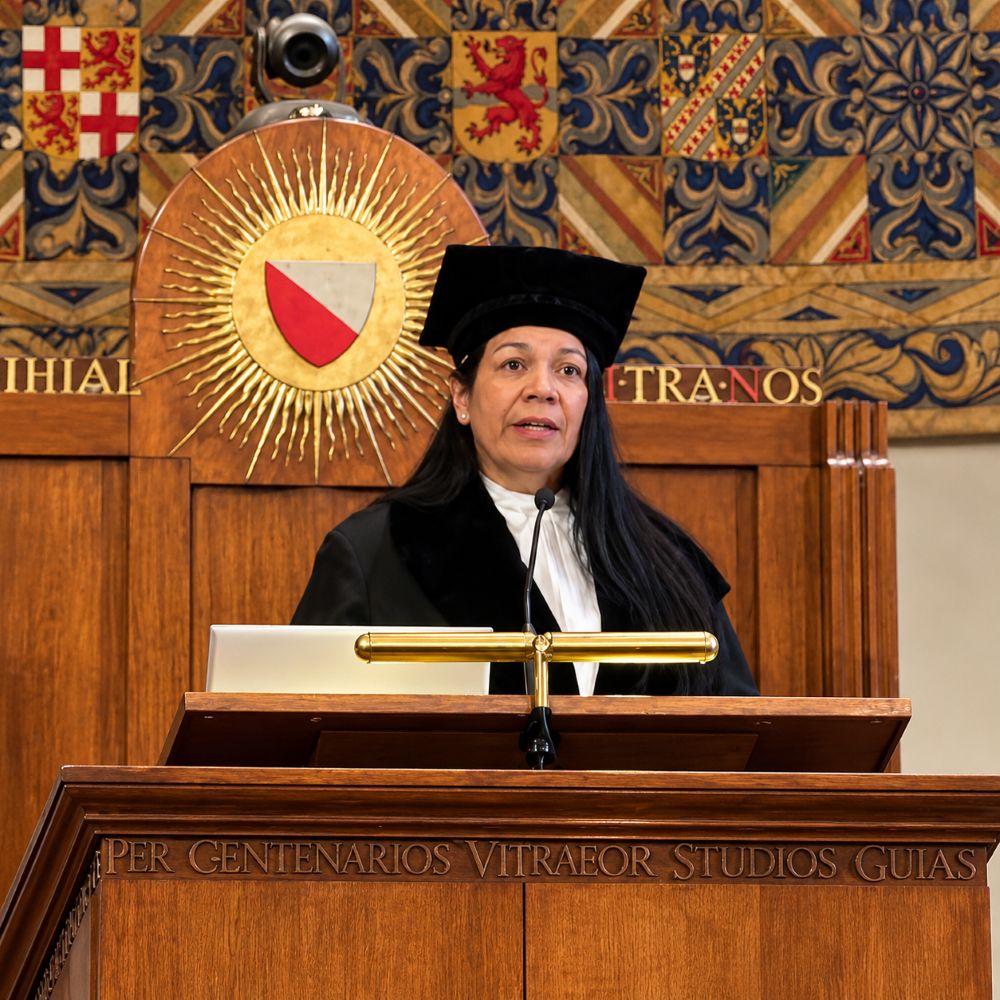
It is a question at the heart of her research into the intergenerational impact of slavery and colonialism. On October 14, 2026, Captain delivered her inaugural lecture at Utrecht University as special professor of the Intergenerational Impact of Slavery and Colonial History. Titled Breuken en schakels, loosely translated as Ruptures and Connections, the lecture examined how slavery and colonialism severed relationships between families, communities and continents, and how later generations are attempting to reconnect them. Her central argument is that historical injustice cannot be understood solely by examining what happened centuries ago. Its consequences must also be considered through the generations that followed.
When History Breaks a Family
Slavery did more than force people into unpaid labor. It separated parents from children, destroyed family structures, disrupted languages and cultures, and frequently erased personal identities. For many descendants, this means family history eventually reaches a point where the documentary trail disappears. Names were changed, relatives were sold, communities were scattered and records often preserved the economic value of enslaved people while revealing little about their personal lives. Captain describes these interruptions as generational ruptures, explaining how the destruction of family connections could influence identity and belonging long after the original events.
Yet the damage did not necessarily end when slavery was abolished. Colonial authorities continued imposing systems of forced labor, controlling communities and determining who could access education, property and opportunity. In the Dutch colonial world, slavery was formally abolished in Indonesia in 1860 and in Suriname and the Dutch Caribbean islands in 1863. However, other exploitative labor arrangements continued afterward, meaning that legal emancipation did not immediately produce genuine independence or equal opportunity. The consequences, Captain suggests, could influence what families owned, what opportunities their children inherited and how later generations understood themselves.
The Wealth That Was Never Passed Down
One of the lecture's most important arguments concerns the economic consequences of slavery. Wealth is frequently transferred between generations through property, inheritance, education and business ownership, allowing families to build upon the achievements and resources of those who came before them. For enslaved people, those opportunities were systematically denied. People who could not own property, control their labor or acquire education were prevented from accumulating resources that might otherwise have benefited their descendants. The resulting disadvantage did not simply disappear when slavery was abolished, because the foundations upon which future prosperity could be built had already been denied to generations of people.
Meanwhile, plantation owners, colonial administrators, shareholders and commercial institutions accumulated wealth through the same system. That wealth could be invested, inherited and expanded long after emancipation, creating advantages that continued across family lines. Captain argues that the resulting imbalance forms part of slavery's continuing material legacy. This perspective matters for Caribbean societies, where conversations about economic inequality, land ownership, education and development often focus on present conditions without fully examining their historical foundations.
It does not mean every contemporary economic difficulty can be attributed to slavery. Modern policies, institutions, economic decisions and individual circumstances also shape outcomes, sometimes profoundly. Rather, the argument is that societies did not begin their modern economic journeys from equal starting positions. Abolishing an exploitative system did not automatically redistribute the assets, knowledge or opportunities accumulated under it, nor did it compensate those who had been prevented from acquiring them. The legal end of slavery and the achievement of economic equality were never the same thing.

The Silence Between Generations
Captain also examines a less visible consequence: the transmission of painful memories, silences and unresolved family histories. Her lecture describes how some people who experienced colonial violence, displacement or humiliation avoided discussing those experiences with their children. Sometimes silence was intended as protection, with parents hoping younger generations could build lives without carrying the burden of their suffering. In other cases, children themselves avoided difficult conversations, preferring to concentrate on opportunities ahead rather than revisit experiences that had caused their families pain. These silences could create gaps in family histories that survived long after the original generation had passed away.
But Captain identifies an interesting possibility within this pattern. Grandchildren and later generations may become more willing to ask questions that their parents never raised, partly because greater distance from the original events can create room for curiosity, conversation and rediscovery. A granddaughter might begin researching an ancestor whose name was rarely mentioned, while a young person might question why a family abandoned its language or why a particular chapter of history was never discussed. Such discoveries can transform what was previously regarded as an isolated family experience into part of a much larger historical story. Captain wants to investigate the role of third and subsequent generations more closely, particularly their potential to reconnect families with previously neglected histories.
Her lecture also discusses research into the possible mental and physical consequences of inherited historical trauma. This remains an important area of inquiry, and experiences differ considerably between families and communities. The central question is not whether every descendant carries the same psychological injury, but how historical experiences, family environments and social conditions may influence later generations. Understanding those relationships could contribute to more informed approaches to mental health, community dialogue and historical recognition, without assuming that all descendants have experienced the same consequences.
The Ocean as a Historical Archive
Perhaps the lecture's most striking contribution is Captain's invitation to reconsider the ocean itself. Histories of slavery commonly concentrate on plantations, colonial settlements and the societies established around them, while treating the waters connecting these places primarily as transportation routes. Captain turns attention toward those waters, arguing that the Atlantic and Indian Oceans were not simply pathways for European commercial expansion. They were also places where countless enslaved people suffered, resisted and died, and where evidence of those experiences remains. Shipwrecks, maritime records and submerged objects preserve traces of lives that conventional historical accounts often overlooked.
Captain also draws attention to research suggesting that singing, rhythmic movement and other sounds aboard slave ships could function as communication and resistance. What European sailors dismissed as meaningless noise may have carried meaning among the people imprisoned below deck, who used their voices and bodies to communicate under conditions designed to strip them of control. This interpretation adds another dimension to the survival of African cultural traditions, including music, rhythm and forms of communication that endured across the diaspora. The ocean, in this reading, contains evidence not only of suffering and death but also of resistance, cultural survival and human agency.

A History Larger Than the Caribbean
Captain's research also challenges the tendency to examine Dutch colonial history as separate regional stories. The Caribbean, Suriname, Indonesia and South Africa were connected through commercial networks, colonial administration, forced migration and systems of labor exploitation. People, policies and economic practices moved between territories, creating relationships that were often more extensive than conventional national histories acknowledge. Her lecture highlights research documenting more than 5,300 historical slave-trading routes across the Indian Ocean and maritime Asia, demonstrating the geographical reach of systems that are sometimes discussed primarily through the Atlantic experience.
For St. Maarten and the wider Dutch Caribbean, the implications are significant because understanding the region's past requires looking beyond individual islands and examining the international systems of which they formed a part. Dutch colonial slavery was never exclusively an Atlantic phenomenon, nor did its consequences develop in isolation within individual territories. The Dutch Caribbean also has its own research and reparation initiatives, reflecting the importance of ensuring that regional experiences are represented within broader historical discussions. These connections create opportunities for comparative research, shared knowledge and a more complete understanding of how colonial practices influenced societies across different oceans.
Can Broken Connections Be Repaired?
Captain does not present historical recognition as an exercise confined to documenting suffering. Her interest extends to what happens after difficult histories become better understood, particularly whether education, community dialogue, historical research, cultural expression and artistic practices might help people reconstruct connections that slavery and colonialism disrupted. One example involves an enslaved Indonesian girl known as Sitie, brought to the Netherlands during the eighteenth century. Her original name remains unknown, but in October 2026 a commemorative stone was unveiled in Utrecht, making her existence visible in a city where she had lived for decades. Such recognition cannot undo her enslavement or restore the life she lost, but it can change what a society chooses to remember.
Captain also points to artists who use poetry and textiles to recover forgotten histories, connecting people across centuries through stories that official documents cannot fully convey. These efforts suggest that historical repair involves more than financial questions, although economic justice remains important. It also concerns knowledge, dignity, visibility and the ability of communities to tell their own stories. For Caribbean societies, this raises practical questions about whose histories are taught, which ancestors are remembered, how cultural heritage is preserved and whether younger generations have opportunities to investigate their origins.
Ultimately, Captain's lecture offers a different way of understanding the relationship between history and the present. The people aboard the Henrietta Marie died or were sold into slavery more than 300 years ago, yet their story continues to inspire research, remembrance and questions about identity. Their descendants and others searching for historical understanding cannot change what happened, but they can change what remains forgotten. History does not stop influencing society simply because the people who lived it are gone. Its consequences can survive in institutions, opportunities, family stories and silences, and understanding those connections may be essential to building societies that are more conscious of how their present circumstances came to be.
