

The hidden damage diabetes leaves across families and how it steals independence

When diabetes is discussed in the Caribbean, attention usually turns to sugar, food choices and exercise. Far less attention goes to what can happen years after diagnosis, when damaged kidneys require dialysis, a seemingly minor foot injury becomes dangerous, or deteriorating eyesight threatens someone's independence. On World Diabetes Day, November 14, that less visible story deserves the spotlight.
Figures from St. Maarten Medical Center (SMMC) illustrate the scale of one form of long-term care. Its 2025 annual figures recorded 13,641 hemodialysis treatments, compared with 13,562 the previous year, and the hospital ended 2025 with 90 dialysis patients, up from 85 at the start. Those are treatment sessions, not 13,641 different people, and the report does not establish how many patients developed kidney failure because of diabetes.
That qualification is important, but so does the warning behind the numbers. Diabetes is a major cause of chronic kidney disease, alongside other conditions such as high blood pressure, and both problems are common throughout the Caribbean. Kidney failure can be one of the most demanding consequences of years of illness because treatment becomes an enduring part of life.
Hemodialysis uses a machine to remove waste and excess fluid when the kidneys can no longer do the job adequately. Many patients need several sessions each week, often lasting hours, with travel, recovery and scheduling built around treatment. The burden extends beyond the hospital to a patient's ability to work, care for relatives and maintain ordinary routines.
SMMC's workload also serves neighbouring islands. Of its 13,641 hemodialysis sessions in 2025, 1,077 were provided to patients from Saba and St. Eustatius, while four were given to tourists. This is why a local hospital's figures can reveal something broader about the vulnerabilities shared by small Caribbean communities.
There was progress alongside the heavy caseload. Four SMMC patients received kidney transplants in 2025 through its Trans-Atlantic Kidney Transplant Program, while eight were on the Eurotransplant waiting list and another 20 were undergoing screening. Transplantation offers eligible patients an alternative to long-term dialysis, though it requires careful medical assessment and ongoing follow-up.
The risk begins long before a person reaches a dialysis unit. Persistently high blood glucose can damage the small blood vessels that help the kidneys filter blood, and uncontrolled blood pressure can accelerate that deterioration. Kidney disease may advance without obvious symptoms, which is why waiting for pain or feeling unwell is an unreliable way to detect it.
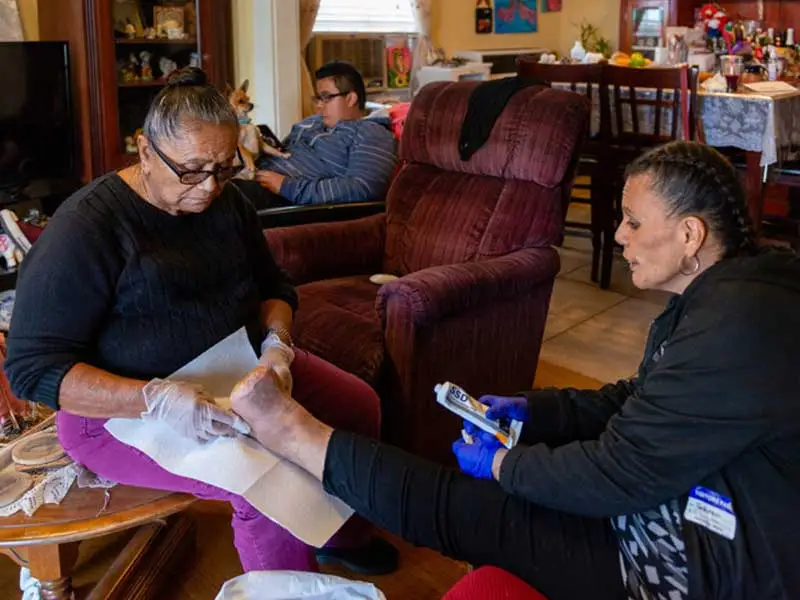
The same quiet damage can affect the nerves and circulation in the feet. Someone may not feel a cut, blister or burn, while reduced blood flow makes healing more difficult and infection more dangerous. When problems are noticed late, treatment can become complicated and, in severe cases, amputation may be necessary.
This is not a distant concern for St. Maarten. A World Bank public expenditure review published in 2020, relying on earlier local research, reported that diabetes-related amputations had been occurring almost weekly and noted that some affected patients were younger than 50. Those historical observations are not a verified amputation rate for 2025 or 2026, but they show that the threat has been identified locally for years.
The wider consequences include heart attacks, strokes and vision loss. Damage to blood vessels does not stop at the kidneys or feet, and controlling blood glucose alone is not enough to eliminate risk. Blood pressure, cholesterol, smoking, kidney function and access to regular treatment all influence the long-term outlook.
Another overlooked fact is how often diabetes begins without announcing itself. Type 2 diabetes can develop gradually, with people feeling reasonably well while blood glucose rises and complications begin. The International Diabetes Federation warns that up to half of people with type 2 diabetes may already have complications when they are diagnosed.
The scale of missed diagnoses is substantial. The federation estimates that 589 million adults worldwide live with diabetes and 252 million do not know they have it; meanwhile, the Pan American Health Organization says 112 million adults in the Americas have the condition. The Americas figure covers the wider region, not the Caribbean alone, but it illustrates the public health burden surrounding our islands.
World Diabetes Day 2026 carries the theme Early action on diabetes, a message that should mean more than another annual awareness campaign. Its importance lies in identifying risk early, getting people tested and making sure a diagnosis leads to continuous care. An isolated screening means little if someone cannot obtain the medicines, appointments and advice needed afterward.
Early action also means looking beyond an ordinary glucose reading. People living with diabetes should discuss appropriate kidney blood and urine tests, periodic eye examinations, foot checks, blood pressure monitoring and cardiovascular risk with their healthcare providers. Such care can identify trouble before it becomes an emergency and may prevent or delay serious complications.
These recommendations can sound simple until viewed through the circumstances of a household. A patient may have to manage the cost of food, transport, medication and testing supplies while balancing appointments against shifts at work or caring responsibilities. Missing treatment is not always a matter of ignoring medical advice; it can reflect barriers that public health systems must understand and address.
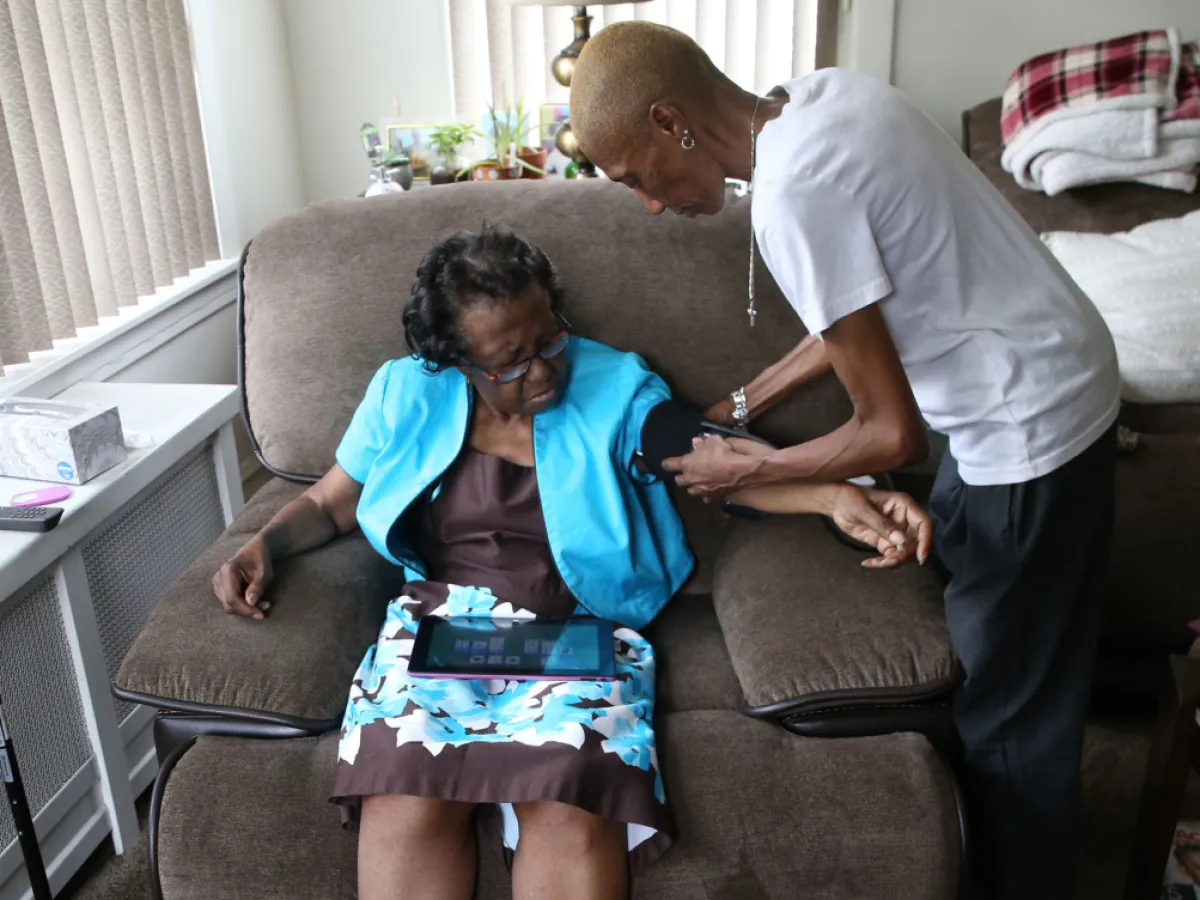
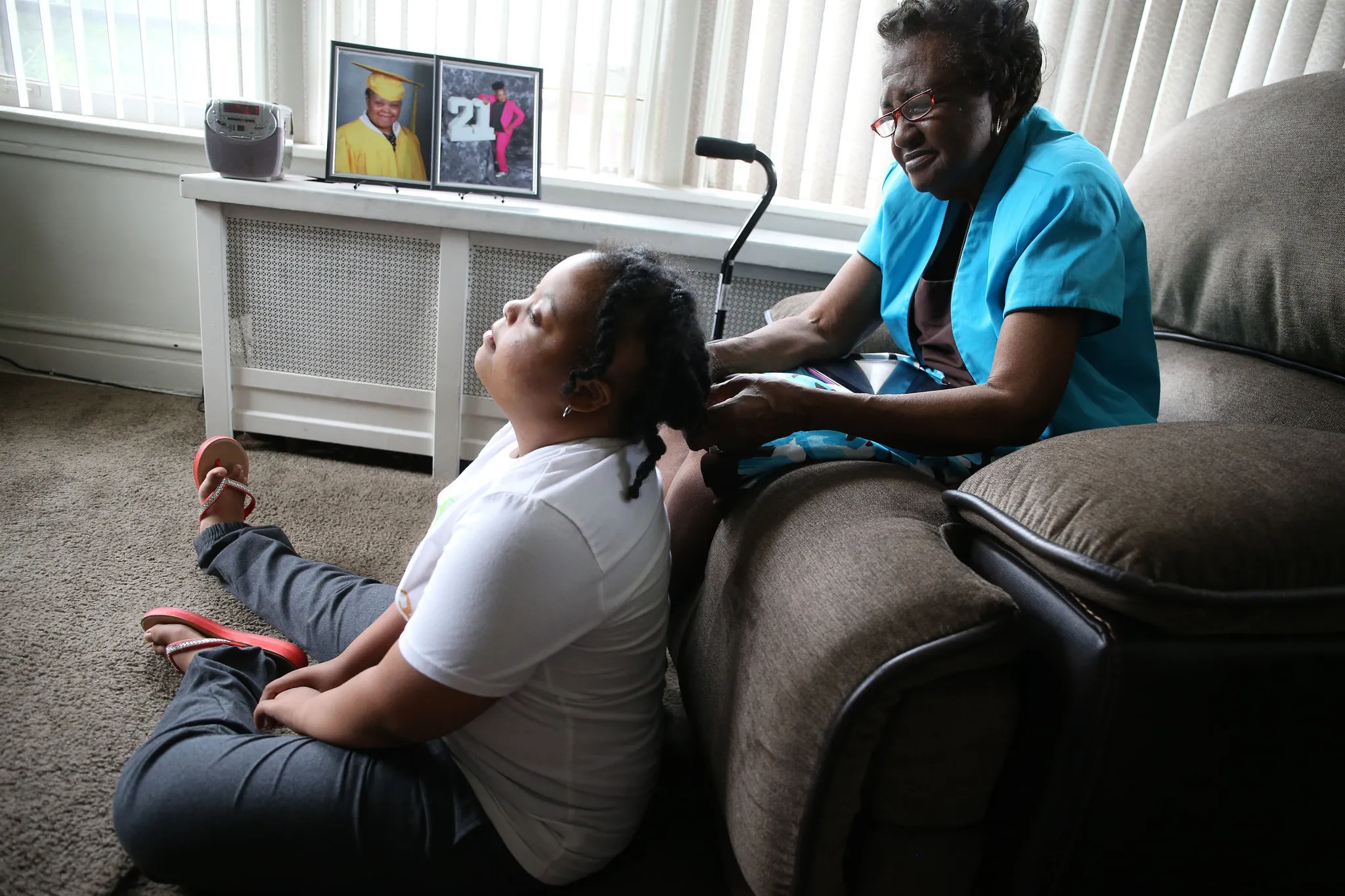
The impact on families is often just as neglected. When someone loses sight, mobility or kidney function, relatives may take on transport, shopping, household tasks or unpaid caregiving while trying to maintain their own employment. Those sacrifices rarely appear in hospital statistics, yet they are part of the true cost of chronic disease.
Mental well-being is another part of that cost. People living with diabetes can experience constant fatigue from planning meals, monitoring numbers, managing medication and fearing future complications, sometimes described as diabetes distress. Effective care should include practical education and emotional support rather than blame or shame.
It is equally important to avoid treating every diagnosis as the result of poor personal choices. Type 1 diabetes is an autoimmune condition requiring insulin, while type 2 diabetes involves a complex interaction of genetics, age, environment and other risk factors. Prevention efforts matter, but people already living with diabetes deserve care and dignity, not lectures about what they should have done differently.
For St. Maarten, the 2025 SMMC numbers raise questions that the dialysis total cannot answer on its own. How many kidney-failure patients have diabetes, how many diabetes-related amputations occur each year, how consistently are patients receiving preventive checks, and how many are diagnosed only after complications develop? Publishing such measures would help identify where care is succeeding and where people are falling through gaps.
That should be the lasting message of World Diabetes Day across the Caribbean. The challenge is not merely to persuade people to eat differently, but to catch illness earlier, maintain treatment and protect people from complications that can take their vision, mobility, income or independence. Diabetes may begin quietly, but its consequences should never be allowed to remain invisible.