

New Report: Climate change is now a public health threat for the Dutch Caribbean
.jpg)
GREAT BAY--Governments must move from temporary responses to structural, long-term policy to protect people from the growing health risks of climate change, with urgent priority for vulnerable groups and the Dutch Caribbean islands that face higher exposure to heat, hurricanes, flooding, infectious diseases and pressure on already strained health systems.
That is the central conclusion of a new joint advisory report from the Health Council of the Netherlands and the Scientific Climate Council, titled “Climate Change and Health: Directions for Policy.” The report warns that climate change is no longer only an environmental or infrastructure issue. It is a direct public health threat that is already increasing disease, premature deaths, mental health strain, health costs and pressure on care systems.
The advisory committee makes three broad recommendations. First, governments should implement structural and coordinated policy to protect people now and in the future from climate-related health risks. Second, policy should prioritize people who cannot easily adapt, avoid exposure or recover from health damage. Third, the Dutch government should give urgent priority to Bonaire, St. Eustatius and Saba, because all recommendations apply to those islands with greater urgency.
Although the advisory formally addresses European Netherlands and the three Dutch public entities of Bonaire, St. Eustatius and Saba, its relevance extends across the Dutch Caribbean and the wider region. The committee also consulted experts from Aruba, Curaçao and St. Maarten and used literature from the wider Caribbean because of the region’s shared geography and similar climate-related risks.
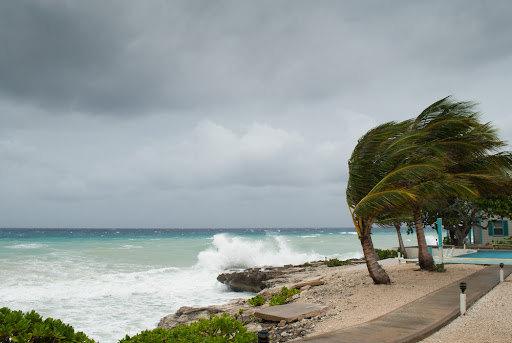
The warning for small islands is direct: warmer temperatures, heavier rainfall, more intense storms, sea level rise, infectious disease risks and stress on food and drinking water systems are not distant concerns. They are already part of Caribbean reality, and without stronger preparation they will increasingly affect health, livelihoods and public safety.
The report states that the Dutch Caribbean is part of one of the world’s most vulnerable regions for the effects of climate change. Rising temperatures in an already warm climate create greater health risks than in the European part of the Kingdom. The report also points to increasing risks from existing and new infectious diseases, including dengue, while heavier hurricanes, severe rainfall and flooding linked to sea level rise will further burden health care, food systems and drinking water supply.

St. Maarten already knows this risk profile well. Major hurricanes, heat, water disruptions, vector-borne disease threats, housing vulnerability and pressure on public services have all shown how quickly climate issues become health, safety and social issues. The report reinforces that these challenges should not be treated separately. Climate, health, housing, labor, infrastructure, disaster management and social policy are now connected.
A key message from the report is that climate change deepens unfair health differences. Some people are more sensitive to climate-related harm, including young children, older persons, pregnant women and people with chronic illnesses. Others face higher exposure because they work outdoors, live in poor-quality housing, attend hot school buildings or live in neighborhoods more vulnerable to heat, flooding or poor drainage. But the report places special emphasis on people who lack the money, housing conditions, mobility, social support or resources to protect themselves or recover.
That point is especially important for Caribbean societies, where many communities live close to the coast, depend heavily on imported food and fuel, face high living costs and have limited space for relocation or infrastructure expansion. Climate change does not affect everyone equally. A family in a poorly ventilated rental home, an elderly person living alone, a construction worker exposed to heat, or a child in a hot classroom may face risks that others can avoid through air conditioning, stronger housing, insurance or private transport.
The report recommends that housing be made resistant to heat and other climate risks, starting with rental homes. It calls for additional rules for existing housing, binding agreements with landlords and possible subsidies. On islands where heat, storms and water damage can quickly turn poor housing into a health hazard, this recommendation is directly relevant.
Schools and long-term care buildings should also be made more resistant to heat and climate risks, according to the advisory. This speaks directly to classrooms, elderly care facilities, health centers and shelters, places where people spend long periods of time and where vulnerable groups are often concentrated.
The advisory also calls for neighborhoods to be made more resistant to heat and other climate risks, beginning in areas where people face the highest health risks. This includes more greenery, better water storage, removal of rules that block adaptation measures, and practical information to help prevent health risks linked to climate adaptation.
Across the Caribbean, that could mean more shade, better drainage, cooler public spaces, improved shelter planning, safer housing standards and public campaigns that explain how residents can protect themselves during heat, storms, flooding or disease outbreaks.
The health risks identified in the report are wide-ranging. Climate change increases exposure to heat, ultraviolet radiation, smog, pollen and infectious diseases. It also increases the likelihood of extreme weather and disasters such as flooding, wildfires and severe rainfall. These risks can lead to premature death, chronic illness, respiratory and cardiovascular problems, allergies, skin cancer, cataracts, infectious diseases, mental health problems, lower school performance, reduced labor productivity, higher health care use and rising costs.
In the European Netherlands, the report estimates that climate change already contributes to roughly 250 heat-related deaths per year. Without additional measures, that number could be three to six times higher around 2050, depending on how climate change develops. The report describes this as only a small part of the total climate-related disease burden, noting that other health effects are also already significant and expected to increase.
The underlying lesson is highly relevant in the tropics. Heat is not only discomfort. It affects sleep, concentration, work capacity, pregnancy outcomes, chronic disease, mental health and mortality. On islands where many people work outdoors or in hot indoor conditions, heat policy must become a labor, housing and health priority.
The report also highlights infectious disease risks. A warmer and wetter climate can create better conditions for pathogens and for mosquitoes and ticks that transmit disease. In the Caribbean, the mention of dengue is especially important because dengue is already present in the region. The report warns that climate change may increase risks from existing diseases and new infectious diseases, creating added pressure on health systems.
Health systems and emergency services must also be prepared for weather extremes, disasters and new infectious diseases, the advisory states. It recommends joint standards for climate adaptation, stress tests, protocols, capacity planning and financial resources for ambulance services, police, fire departments, hospitals, general practitioners and mental health services.
That recommendation cuts to the heart of hurricane preparedness and public health resilience. A hospital, clinic, emergency service or pharmacy is not only a building. It is part of an island’s survival system during and after a crisis. If roads flood, power fails, medical supplies are disrupted or staff cannot report to work, climate damage becomes a health system problem.
The report also points to the mental health consequences of climate-related disasters. People affected by extreme weather can face housing damage, financial stress, loss of livelihood, physical injury, anxiety, depression and post-traumatic stress. These effects can last months or years. Islands that have endured devastating hurricanes understand this well. Recovery is not only about rebuilding roofs and roads. It is also about treating trauma, insecurity and long-term stress.
The committee recommends strengthening knowledge and monitoring. This includes tracking climate-related exposure and health effects, detecting new infectious diseases, researching the health impacts of climate change and evaluating whether adaptation measures work.
Better monitoring would help islands move from reaction to prevention. It can show where heat risks are highest, which neighborhoods flood most often, where mosquito breeding is increasing, which schools or care facilities are most vulnerable, and which groups need targeted support.
Another major recommendation is improving public awareness. The report says awareness of the health risks of climate change remains relatively low in both the European Netherlands and the Dutch Caribbean. People need clear information about heat, ultraviolet radiation, flooding, infectious diseases and practical steps they can take to reduce risk. This can be done through national or local campaigns, professional training, school programs and targeted information about homes and neighborhoods.
In the Caribbean, climate communication should not be limited to hurricane season warnings. Residents also need routine, practical information about heat safety, mosquito prevention, safe water, mold after flooding, food safety after outages, mental health support after disasters and how to protect elderly relatives, children and workers.
The report’s wider message is that climate policy and health policy can no longer be separated. A hotter island is a public health issue. Poor drainage is a public health issue. Weak housing is a public health issue. Outdoor labor in rising heat is a public health issue. Mosquito control is a public health issue. Emergency preparedness is a public health issue.
St. Maarten is not directly covered as a Dutch public entity, but the lessons are difficult to ignore. The island shares the same regional exposure and has added vulnerabilities tied to density, tourism dependence, coastal development, traffic pressure, high energy costs, limited land and the lasting memory of hurricane devastation. The practical takeaway is clear: protect high-risk groups first, make homes and public buildings climate-ready, prepare health services for compound disasters, strengthen disease surveillance, improve public information and connect climate adaptation to social policy.
The Caribbean often speaks of resilience, but this report gives that word a health meaning. Resilience is not only rebuilding after a storm. It is making sure people can breathe, sleep, work, study, recover and live safely in a changing climate. It is ensuring that lower-income families are not left to carry the highest risks. It is preparing hospitals before the next crisis. It is adapting homes before heat becomes illness. It is protecting water, food and public services before disaster exposes the weaknesses.
The report concludes that climate change has created a new reality with known and emerging health risks, and that current policy is not yet sufficiently designed or prepared for that reality. Its recommendation is clear: governments must act structurally, act across sectors and act first for those most at risk. For St. Maarten and the wider Caribbean, that is not just sound policy. It is a public health necessity.