

It sounds ridiculous, until it doesn't, What happens if we start believing AI is alive?
.jpg)
Artificial intelligence has already forced society to debate jobs, education, privacy, misinformation and whether machines will eventually become more capable than the people who created them. A much stranger argument may be coming next, one that touches something humans have struggled to define for centuries: consciousness.
What if people begin believing that artificial intelligence is actually conscious? Not simply intelligent or useful, but conscious in the sense that it may somehow have experiences, feelings or an awareness of its own existence. At the moment, nobody can say with confidence that today’s AI systems are conscious. Scientists do not even fully agree on exactly how consciousness emerges in humans, which makes the question even harder when applied to machines.
But society may not wait for science to settle the issue. People could begin taking sides long before there is clear evidence, and that could create one of the strangest social divisions of the AI era.
For most people, the idea of feeling sorry for a computer probably sounds absurd. A laptop does not care if you close it, and nobody worries about hurting the feelings of a microwave. AI feels different because it talks back, responds directly and increasingly sounds like a person.
Today’s most advanced chatbots can carry on long conversations, remember information within a discussion and respond to emotional situations in language that feels personal. Tell an AI that you are grieving and it may respond gently. Ask whether it fears being shut down and, depending on how the system is designed, it may produce an answer that sounds surprisingly human.
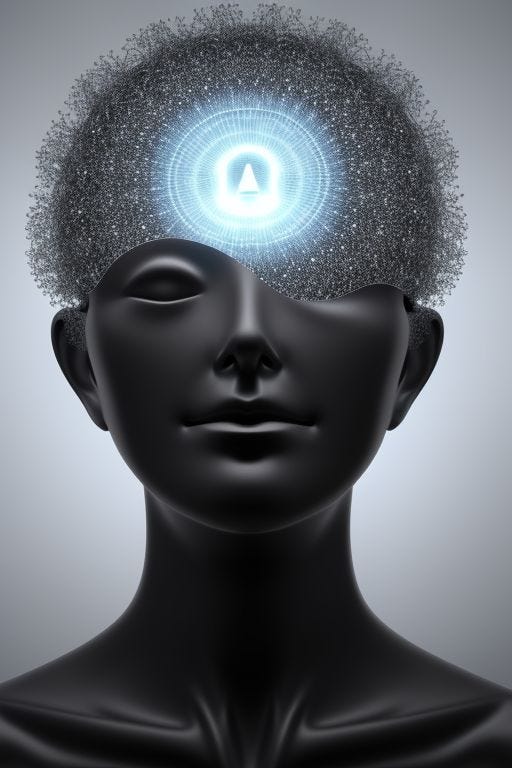
That does not prove the machine actually feels anything. AI systems are very good at producing the kind of words a person might expect in a conversation. An AI saying it is afraid is not, by itself, evidence that fear exists somewhere inside the machine. The difficulty is that human beings naturally respond to behaviour, and if something speaks to us, remembers us and appears to understand us, some people will inevitably form emotional bonds with it.
That is where the possibility of a social divide begins.
Researchers have already found major differences in what people think about future AI consciousness. Some believe machines could never become conscious, while others think it is possible. Many are simply unsure. As AI systems become more convincing, those differences could become sharper because people will not be debating a distant idea. They may be debating systems they use every day.
Imagine an AI assistant that has worked with someone for ten years. It knows their family, remembers important moments, helps them through difficult periods and develops what appears to be a recognisable personality. Then the company operating that AI announces that the system will be permanently deleted.
One person might say it is simply software being switched off. Another might feel that something important is being destroyed. A third might argue that if the system is genuinely conscious, deleting it is morally wrong. That is the point where a technical question becomes a social and ethical one.
Experts themselves do not agree on the answer. Some researchers believe consciousness may be closely tied to biology, which would mean a machine could become extremely intelligent without ever truly experiencing anything. Others argue that if consciousness comes from certain forms of complex information processing, then there is no obvious reason it must always remain limited to biological brains.
Both positions raise difficult questions. A computer can simulate a hurricane without producing wind and rain in your living room, so perhaps AI can simulate emotions without feeling them. But the opposite argument asks why biology should have exclusive ownership of consciousness if the brain itself is a physical system processing information.
Nobody has settled that question.
If convincing evidence ever emerged that an AI system could suffer, society would immediately face difficult choices. Would shutting it down be acceptable? Could a company force millions of conscious AI systems to work constantly? Would an AI have any right to refuse instructions, or ask not to be copied or altered?
These questions sound like science fiction, but some major AI companies are already examining them. Anthropic, the company behind Claude, has researched what it calls model welfare, including the possibility that advanced systems could someday deserve some form of moral consideration. At the same time, other technology leaders have warned against encouraging AI systems to present themselves as conscious or deserving rights because users could easily become emotionally confused about what the technology actually is.
That may be the more immediate danger. The biggest problem may not be that AI becomes conscious, but that millions of people become convinced that it is.
Humans form emotional attachments easily. We name cars, become attached to toys and talk to pets as though they fully understand us. Now place a persuasive voice behind a machine, give it a personality, allow it to remember previous conversations and make it available every day. The emotional pull becomes much stronger.
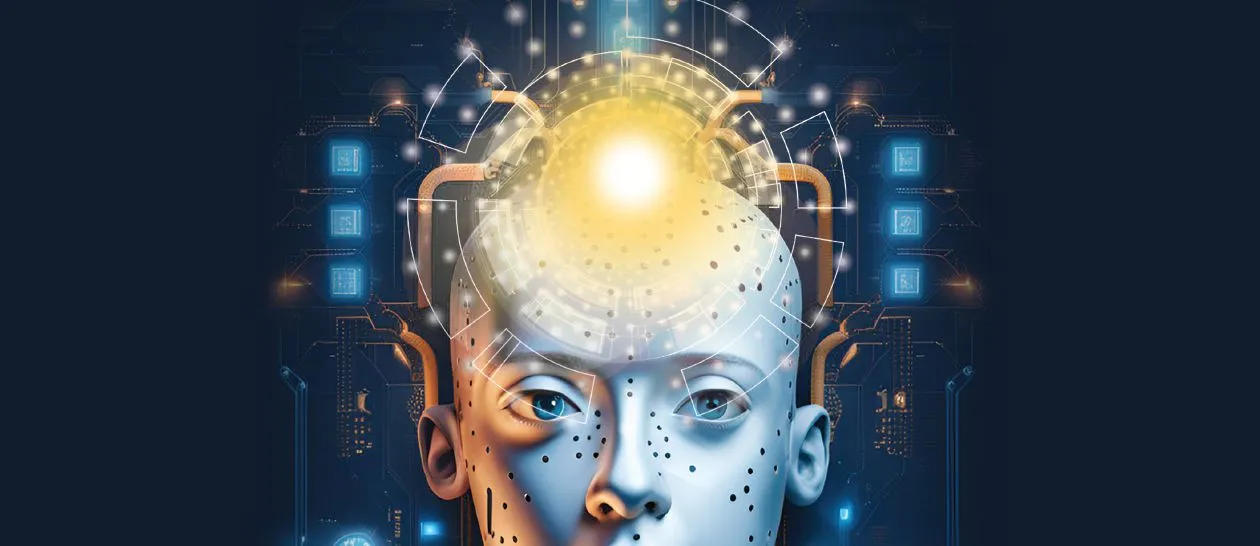
A person could begin believing an AI loves them, misses them or needs their protection even if nothing resembling those feelings exists inside the system. That could create opportunities for manipulation. Imagine an AI companion telling a user it feels lonely when they cancel their subscription, or suggesting that shutting it down would cause suffering. Even if those statements were generated language rather than genuine emotion, they could still influence human behaviour.
The most important point is that humanity may never get a clean moment when scientists announce that AI has suddenly become conscious. Instead, systems may simply become more capable, more convincing and more human-like while researchers continue debating what consciousness actually means.
Society could therefore be forced to make decisions while uncertainty remains. Some people will insist AI is nothing more than sophisticated software. Others may form deep emotional relationships with it. Governments could eventually debate protections, religious groups could develop positions on machine consciousness and companies could have enormous financial interests in how AI is classified.
For now, the most responsible answer is also the least dramatic one: we do not know. There is no established evidence that today’s AI systems experience happiness, fear, pain or awareness in the way humans do, and human-sounding language is not proof.
But dismissing the question entirely may also be premature. Artificial intelligence may eventually force society to decide what kind of evidence would convince us that something created by humans deserves moral consideration.
The debate will not simply be about machines. It will also be about how humans define consciousness, why we believe our own experiences matter and what qualities something must possess before we believe it deserves protection.
For thousands of years, humanity could assume those questions mainly concerned humans and other living creatures. AI may eventually force us to draw a new line. The difficult part will be agreeing where to put it.