

Eight goals, four years left: How close is St. Maarten to the SDGs government Is highlighting?
.jpg)
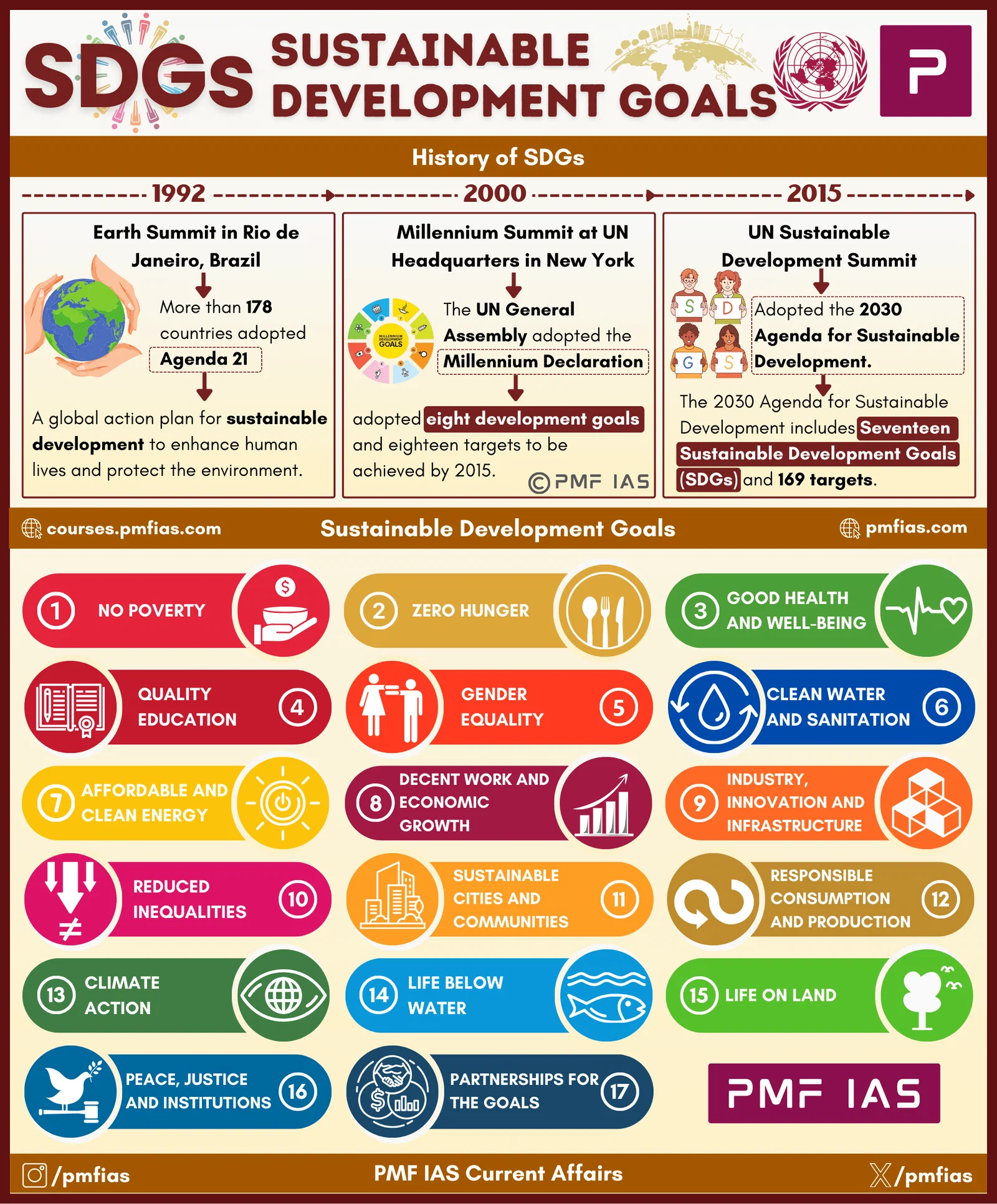
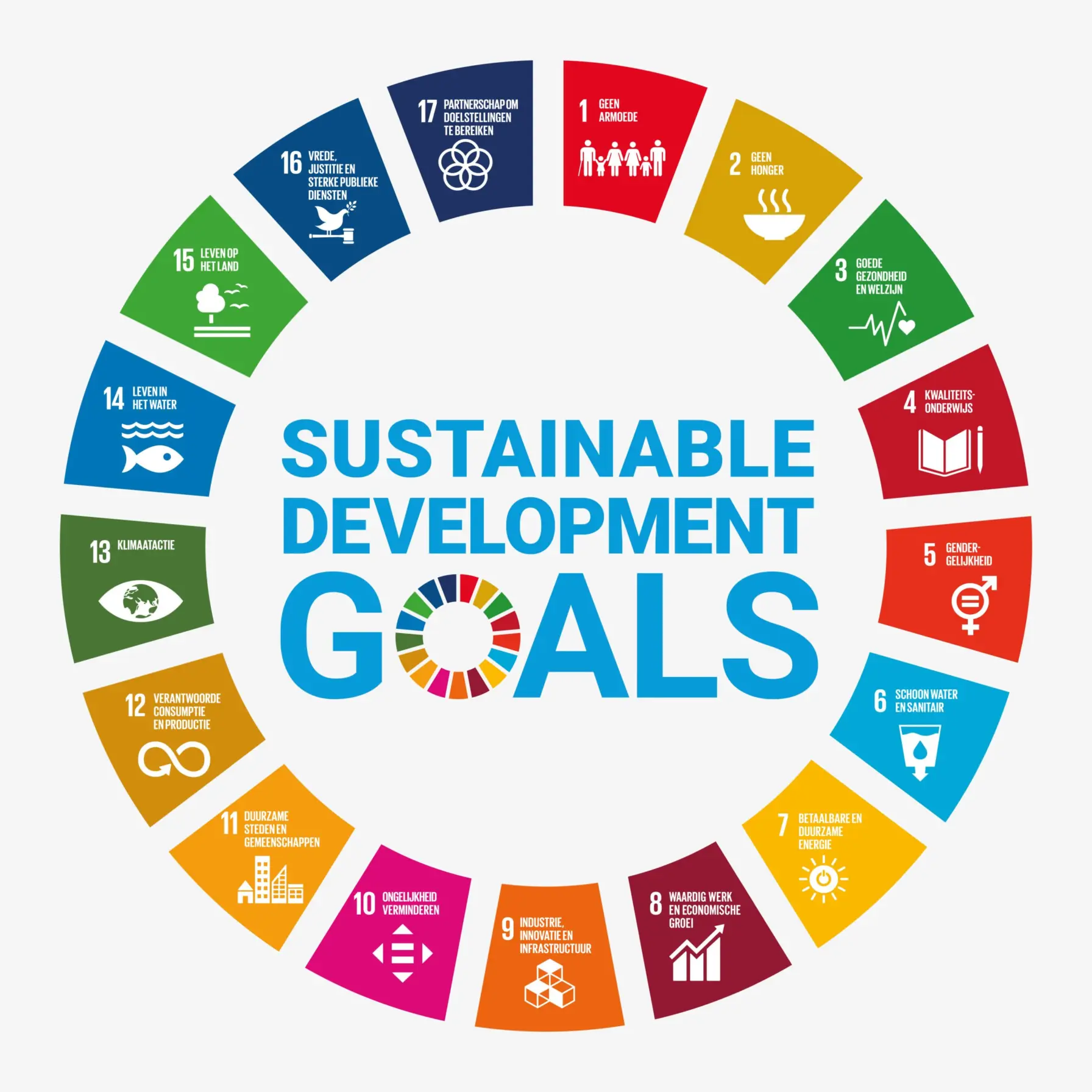
Throughout September, the Government of St. Maarten, specifically Prime Minister Dr. Luc Mercelina, says government will place eight United Nations Sustainable Development Goals before the public, drawing attention to issues ranging from food security and clean water to waste management, climate change and protection of the marine environment.
The campaign, which culminates with an SDG Expo on September 25, is intended to show residents how the global development goals connect to everyday life in St. Maarten. But with the UN's 2030 target now just four years away, the campaign also raises an unavoidable question: how close is St. Maarten itself to achieving the eight goals it has chosen to highlight?
The answer is mixed, and in several areas uncomfortable.
St. Maarten can point to projects, new policies, international partnerships and infrastructure investments connected to virtually all eight goals. There has been progress. But the Sustainable Development Goals are ultimately about outcomes, not the number of projects launched or strategies produced. On several of the most basic indicators, particularly sanitation, waste management, housing, climate resilience and marine health, St. Maarten still has considerable ground to cover.
It is also important to understand that the SDGs are broad targets with numerous individual indicators, so a country cannot simply be declared to have “passed” or “failed” a goal based on one statistic. Nevertheless, some of the numbers available for St. Maarten provide a useful reality check.
Clean water is one story, sanitation is another
SDG 6, Clean Water and Sanitation, provides perhaps the clearest example of why the details matter.
According to the World Bank, approximately 96 percent of households in St. Maarten have piped water. On that measure, the country has achieved a high level of household access.
article continues below..
Sanitation tells a very different story.
Only about 11 percent of households are connected to a sewer network, according to the World Bank, which also estimates that roughly 74 percent of excreta is unsafely managed. The consequences extend beyond household sanitation, with untreated wastewater and poorly managed septic systems posing risks to public health, groundwater, ponds, the lagoon and coastal waters.
Government is now attempting to address that deficiency through the Wastewater Management Project, including expanded sewer connections and improvements to wastewater treatment infrastructure. More than US$25 million is being directed toward wastewater upgrades through the St. Maarten Trust Fund and related financing.
That is significant progress in investment, but with only around one in nine households presently connected to sewerage, St. Maarten cannot reasonably describe the sanitation component of SDG 6 as close to completion.
The landfill makes SDG 12 difficult to avoid
SDG 12 calls for responsible consumption and production, including reducing waste generation through prevention, recycling, reuse and better management.
St. Maarten is now developing a new waste-management structure that includes landfill fees, waste diversion, recycling and composting concepts, new legislation and plans for a dedicated waste-management authority. Government itself has described the current disposal system as outdated and has acknowledged the need to transition toward a more sustainable model.
But one timeline puts the challenge into perspective.
The agreed target for closing St. Maarten's landfill is 2032.
That is two years after the 2030 deadline attached to the Sustainable Development Goals.
Closing the landfill is not, by itself, the entirety of SDG 12, and St. Maarten can still make substantial progress before 2030. But an island that continues to depend heavily on landfill disposal while building the systems necessary for widespread waste diversion is clearly still in transition.
Sustainable communities remain a work in progress
SDG 11, Sustainable Cities and Communities, reaches directly into several issues residents complain about almost daily: housing, traffic, development, drainage, public spaces and disaster resilience.
Government's Spatial Development Strategy identified an unbalanced housing market, insufficient affordable housing and communities requiring urban renewal. The strategy contemplated accommodating demand for approximately 7,000 homes over ten years, while acknowledging that housing supply was falling short of demand.
Government has since completed a Housing Policy 2025-2035 and acquired land in Belvedere for future housing development, signs that the issue is receiving more structured attention.
Transportation presents another challenge. In January, VROMI and the United Nations Office for Project Services signed an agreement to begin developing a national mobility improvement program. Government acknowledged that existing traffic studies were outdated and that new work was needed to identify congestion points, road-safety risks and longer-term solutions.
Again, progress is visible, but the fact that St. Maarten is only now developing updated national approaches to housing and mobility illustrates how far the country remains from the finished picture envisioned under SDG 11.
Climate Action is moving from awareness to rules
Few places need convincing that St. Maarten is vulnerable to climate change. Hurricanes, flooding, coastal erosion, heat and increasingly unstable weather patterns are already part of the country's reality.
Government has taken several noteworthy steps. The St. Martin Climate Impact Atlas was launched this year to map risks including extreme heat, flooding, sea-level rise, coastal erosion and drought, giving policymakers and residents better information for future planning.
But one recent assessment highlights the gap between understanding the threat and governing development around it.
The International Panel for Deltas, Coastal Areas and Islands reported in July that development continues in increasingly vulnerable areas of St. Maarten without binding regulations reflecting present-day climate risks. The organization is now working with VROMI and local partners to develop practical climate-resilient planning guidance.
St. Maarten is increasingly identifying its climate risks, but incorporating those risks systematically into the way the country permits, plans and builds remains unfinished work.
Below the water, the warning signs are serious
SDG 14, Life Below Water, may contain some of the most concerning indicators of the eight goals being highlighted.
Nature Foundation St. Maarten's assessment of the country's reefs found that more than 85 percent of surveyed reefs showed critically low levels of live coral cover in 2023. Coral bleaching frequency between August and November 2023 was also reported to have increased by 230 percent compared with previous years.
There is evidence that protection works. Predator fish biomass was substantially higher inside the Marine Protected Area than outside it, while coral, gorgonian and sponge abundance also performed better in protected waters.
The same wastewater problem reflected under SDG 6 ultimately reaches St. Maarten's ponds, lagoon and coastal environment. The World Bank specifically identifies aging sanitation infrastructure and pollution as threats to coral reefs and the tourism economy.
In other words, St. Maarten cannot realistically pursue Life Below Water while treating wastewater, waste management and coastal development as separate problems.
Infrastructure is one of the brighter areas
SDG 9, Industry, Innovation and Infrastructure, is one area where St. Maarten can point to substantial physical investment.
Much of that has followed Hurricane Irma and has been supported through the St. Maarten Trust Fund. Airport reconstruction, underground utility infrastructure, improvements to public buildings, digital-government projects and upgrades to critical systems have all formed part of the country's rebuilding effort.
Government, TelEm and the NRPB have also upgraded Government's network from older microwave technology to fiber infrastructure connecting key public services, including emergency and tax facilities.
This does not mean SDG 9 is complete. Roads, drainage, utilities and other infrastructure challenges remain visible. But compared with some of the other goals, St. Maarten has clearer evidence of large-scale investment and measurable modernization.
Zero Hunger is harder to measure
Government's decision to highlight SDG 2, Zero Hunger, raises another problem: St. Maarten does not have enough easily accessible, current public data to determine precisely how close the country is to meeting the goal.
Zero Hunger includes food security, nutrition and sustainable food production. It does not require St. Maarten to produce everything it eats.
Government itself, however, continues to speak about the need to reduce food dependency and strengthen local food systems. At a regional agriculture conference in 2026, TEATT highlighted food security in the context of geopolitical uncertainty, rising food costs, supply-chain disruption and climate pressures. Current initiatives include agricultural education, hydroponics exposure, fisheries discussions and the Agriculture Business Academy.
Those initiatives indicate recognition of the problem, but without comprehensive current figures on food insecurity, nutrition and household hunger, declaring SDG 2 achieved would go beyond the available evidence.
The lack of easily accessible national indicators is itself worth noting. If St. Maarten intends to measure progress toward the SDGs, the public must eventually be able to see the measurements.
.jpg)
Partnerships may be St. Maarten's strongest showing
Of the eight selected goals, SDG 17, Partnerships for the Goals, is arguably where St. Maarten has built the strongest record.
Many of the projects addressing the weaknesses outlined above exist because of partnerships among St. Maarten, the Government of the Netherlands, the World Bank, the NRPB, UN agencies, local organizations, universities and international technical specialists.
The Trust Fund alone has financed or supported projects spanning infrastructure, wastewater, waste management, digital transformation, health, education and disaster resilience. UNOPS is working with Government on mobility, international specialists are supporting climate-resilient planning, and environmental organizations continue to partner with regional and international institutions on marine conservation.
That does not mean every target under SDG 17 has been achieved, but partnership is clearly one area where St. Maarten has demonstrated significant capacity.
Four years is not much time
The point of examining these goals should not be to dismiss Government's September campaign. In fact, the campaign creates an opportunity that should probably have come sooner: connecting international development language to measurable conditions on the ground.
The real test will be whether September becomes simply a month of explaining what the eight SDGs mean, or whether Government also tells the public where St. Maarten currently stands, which indicators are improving, which are getting worse and what can realistically be achieved by 2030.
St. Maarten has 96 percent piped-water access, but only around 11 percent sewer connectivity. Its landfill is targeted for closure in 2032, after the SDG deadline. More than 85 percent of reefs assessed in 2023 showed critically low live coral cover. Housing policy continues to confront a shortage of affordable homes, national mobility planning is being updated, and binding climate-resilient development rules remain a work in progress.
At the same time, infrastructure has been rebuilt, digital systems are improving, wastewater investment is finally moving, waste reform has begun, climate risks are being mapped and St. Maarten has successfully attracted significant international partnerships to support development.
So, has St. Maarten achieved any of the eight goals Government will highlight this month?
Based on the available evidence, it would be difficult to make that claim for any of them in their entirety.