

Curaçao turns to Bukele: A crime-fighting partnership surrounded by questions

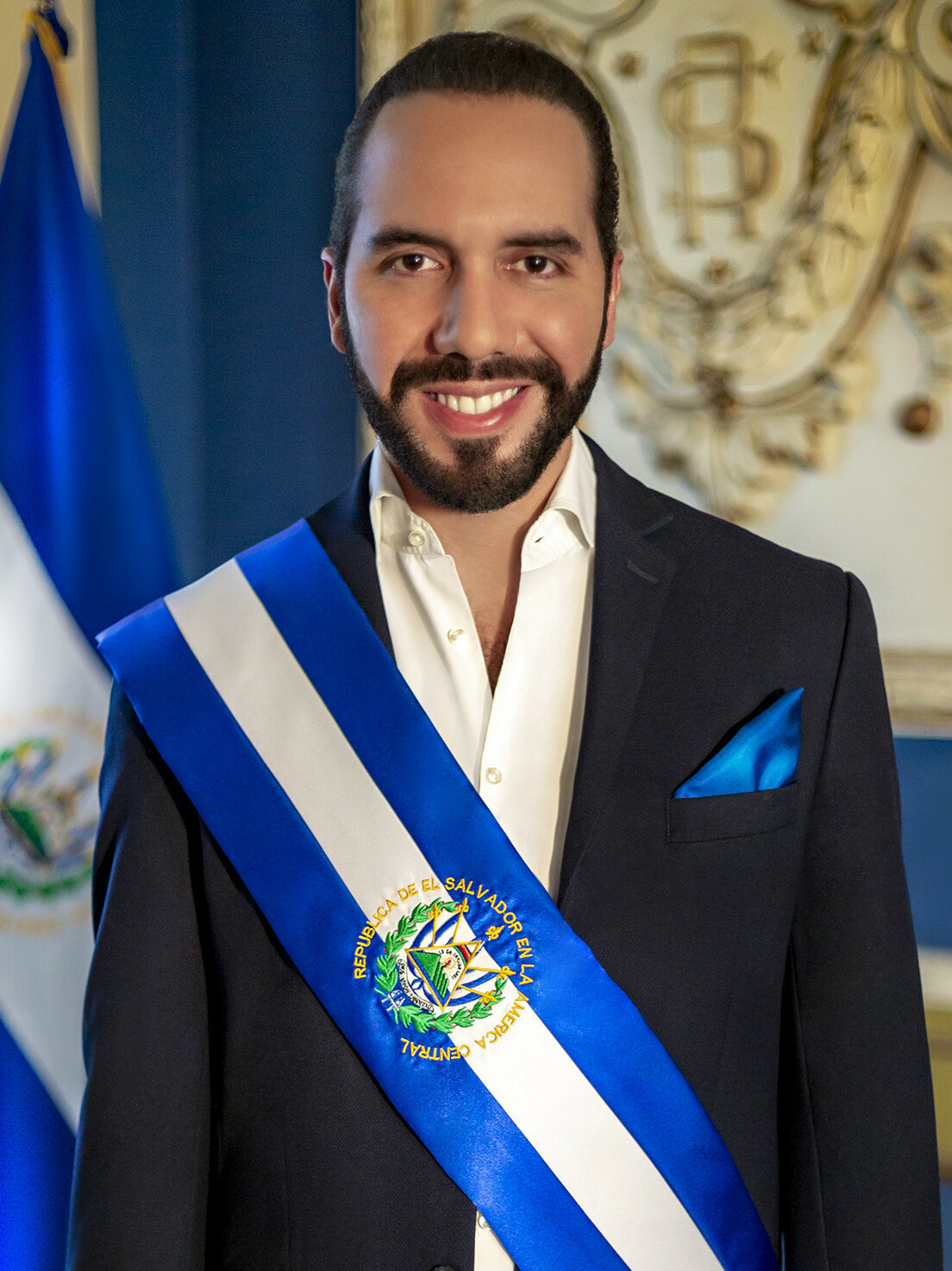
For years, El Salvador was synonymous with gang violence, extortion and communities living in fear. Today, President Nayib Bukele is celebrated by supporters as the leader who broke the gangs' grip on his country, while international human rights organizations accuse his government of replacing criminal terror with state repression. It is this deeply controversial administration that Curaçao has chosen as a potential partner in its fight against crime.
On Friday, November 13, Curaçao's Minister of Justice Shalten Hato and El Salvador's Minister of Justice and Public Security Héctor Gustavo Villatoro Funes signed a Letter of Intent to explore cooperation on organized crime, policing, migration management and cybersecurity. The signing followed nearly two years of discussions initiated during Hato's visit to El Salvador in November 2024, with Curaçao's Council of Ministers approving the process in April 2025.
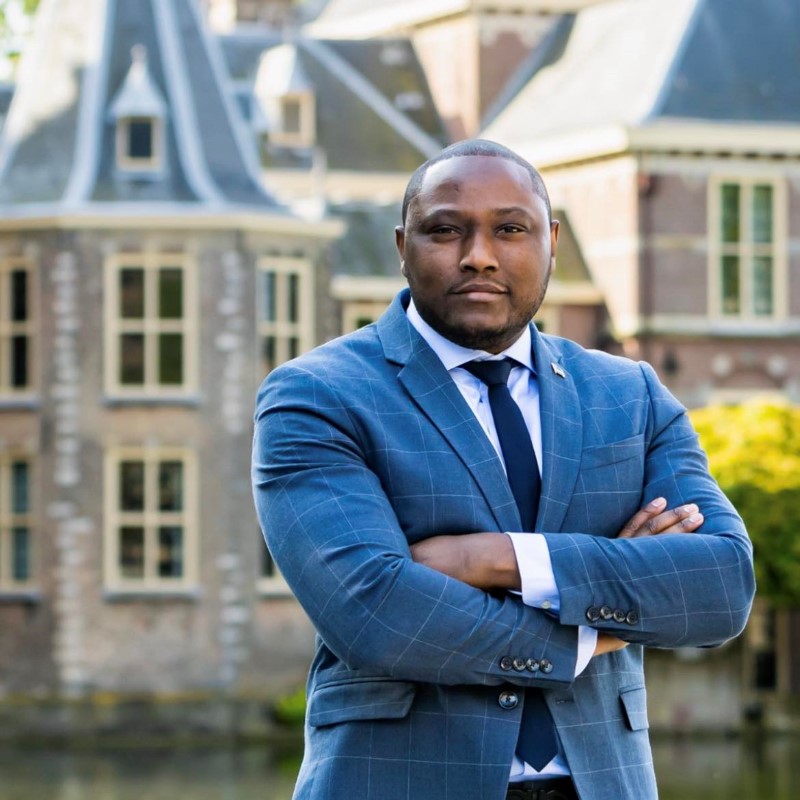
The agreement is exploratory and does not create legally binding obligations, but its political significance has already drawn attention. Hato has outlined broad areas for cooperation, including training, technical assistance and knowledge exchanges, without identifying which Salvadoran crime-fighting methods Curaçao considers suitable or whether sensitive police and migration information might eventually be shared.
That uncertainty sits at the centre of the debate. Curaçao faces genuine concerns about organized crime, firearms, shootings and international criminal networks, making the search for effective security partnerships understandable. However, choosing El Salvador invites scrutiny because the achievements that made Bukele internationally famous are inseparable from policies that have alarmed human rights organizations.
Bukele became president in 2019, promising to confront the gangs that had controlled entire communities for decades. Following a surge in killings in March 2022, his government introduced a state of emergency that expanded security powers, suspended certain constitutional protections and enabled mass arrests. The emergency measures have since been repeatedly extended.
The results have been dramatic, at least according to official Salvadoran statistics. A United States Congressional Research Service report published in October 2026 states that homicides declined approximately 97% between 2019 and 2025, according to Salvadoran police figures. Residents who once feared travelling through gang-controlled neighbourhoods have experienced major improvements in security, helping explain Bukele's extraordinary popularity.
Yet the numbers tell only part of the story. Human Rights Watch has warned that restrictions on public access to crime data and changes in how killings are classified make it difficult to independently assess the government's claims. More importantly, the methods used to achieve greater security have raised fundamental questions about justice, accountability and the protection of innocent people.
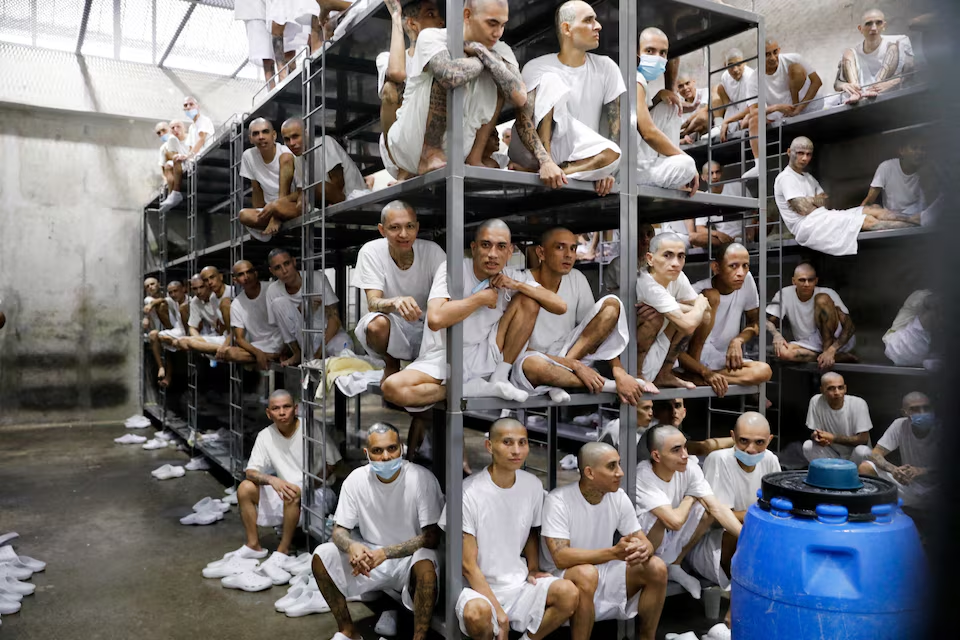
In July 2026, Amnesty International reported that more than 90,000 people had been detained under the emergency measures and at least 470 had died in state custody. Its investigation documented arbitrary arrests, torture allegations, enforced disappearances and prolonged detention without adequate judicial safeguards, warning that the pattern of abuses could amount to crimes against humanity.
Bukele's government has defended its policies as necessary to dismantle violent gangs responsible for killings, extortion and widespread intimidation. Critics acknowledge the reduction in gang violence but argue that security cannot justify arresting people without sufficient evidence or denying them meaningful opportunities to challenge their detention.
Concerns extend beyond policing. Human Rights Watch reported that Bukele's governing party removed presidential term limits through constitutional amendments in 2025, following earlier measures that weakened judicial independence. The concentration of political power has intensified criticism that El Salvador's security transformation has come at the expense of democratic safeguards.
These concerns have shaped the public reaction to Curaçao's decision. Dagmar Oudshoorn, director of Amnesty International Netherlands, described the cooperation as deeply troubling in comments to Dutch broadcaster NOS, questioning why Curaçao would seek lessons from a government accused of such extensive violations. She also raised concerns about Hato's willingness to engage with human rights organizations regarding migration detention practices on Curaçao.
Amnesty's criticism is particularly significant because the organization has previously challenged Curaçao's treatment of Venezuelan migrants and its detention arrangements. Oudshoorn told NOS that Hato had declined engagement over its findings and that the organization had been denied access to immigration detention facilities during a recent visit. These are allegations made by Amnesty, rather than findings established through an independent investigation into Hato's conduct.
Hato, meanwhile, maintains that cooperation with El Salvador will respect Curaçao's legislation, constitutional principles and fundamental rights. His ministry has emphasized that the initiative does not mean Curaçao will automatically adopt Salvadoran policies, and that any future projects must undergo further consultation. Nevertheless, specific safeguards, operational arrangements and implementation plans have not been publicly detailed.
The controversy also raises a constitutional question that extends beyond Curaçao: What authority does the Kingdom of the Netherlands have when one of its Caribbean countries enters cooperation with a foreign government?
Under Article 3 of the Kingdom Charter, foreign relations are a Kingdom responsibility, while Curaçao retains autonomy over much of its domestic justice policy. Article 43 also establishes that each country is primarily responsible for protecting fundamental rights and ensuring proper governance, with the Kingdom carrying an ultimate safeguarding responsibility.
Dutch constitutional and historical scholar Gert Oostindie told NOS that Caribbean countries have limited freedom to conduct independent international relations. He questioned whether Curaçao might be moving too far by pursuing justice cooperation with El Salvador, particularly if future arrangements become binding and extend into areas reserved for the Kingdom.
The Netherlands Ministry of Foreign Affairs offered a different emphasis, explaining that justice and justice cooperation fall within Curaçao's autonomous responsibilities. The ministry said it had not been involved in the initiative, suggesting that, at least at this preliminary stage, the Netherlands does not regard the Letter of Intent as requiring its direct participation.
That position does not eliminate future constitutional questions. If cooperation develops into binding international commitments, extradition arrangements, intelligence sharing or activities affecting fundamental rights, the relevant Kingdom responsibilities and legal safeguards would need careful examination. The present declaration alone does not establish that Curaçao has exceeded its authority.
The decision also comes as Bukele expands his security influence beyond El Salvador. His government has deployed approximately 2,500 troops to Haiti for operations against armed gangs, attracting support from some regional leaders and criticism from organizations concerned about transparency, civilian protection and the legal arrangements governing the deployment.
For Curaçao, the challenge is determining which lessons can legitimately be separated from the more controversial elements of Bukele's approach. Training, investigative techniques and institutional cooperation may offer benefits, but those benefits must be assessed against the safeguards required in Curaçao's own legal system.
The unanswered questions are therefore practical as well as political. Will Parliament receive the full agreement, what specific methods will be examined, will personal information be exchanged, and what independent oversight will govern any cooperation? The public also deserves to know whether El Salvador's human rights record was evaluated during the negotiations.
Curaçao has every right to seek new approaches to fighting crime, and international cooperation can strengthen policing without undermining democracy. But when the chosen partner is a government whose security achievements are accompanied by allegations of systematic abuses, transparency becomes essential.
Hato has opened a door to cooperation with one of the world's most controversial security administrations. What remains unclear is precisely what Curaçao intends to bring through that door, and whether the safeguards will be strong enough to ensure that lessons in crime prevention do not become lessons in weakening fundamental rights.