

Cuba: Caribbean nations break ranks with a country that stood by them
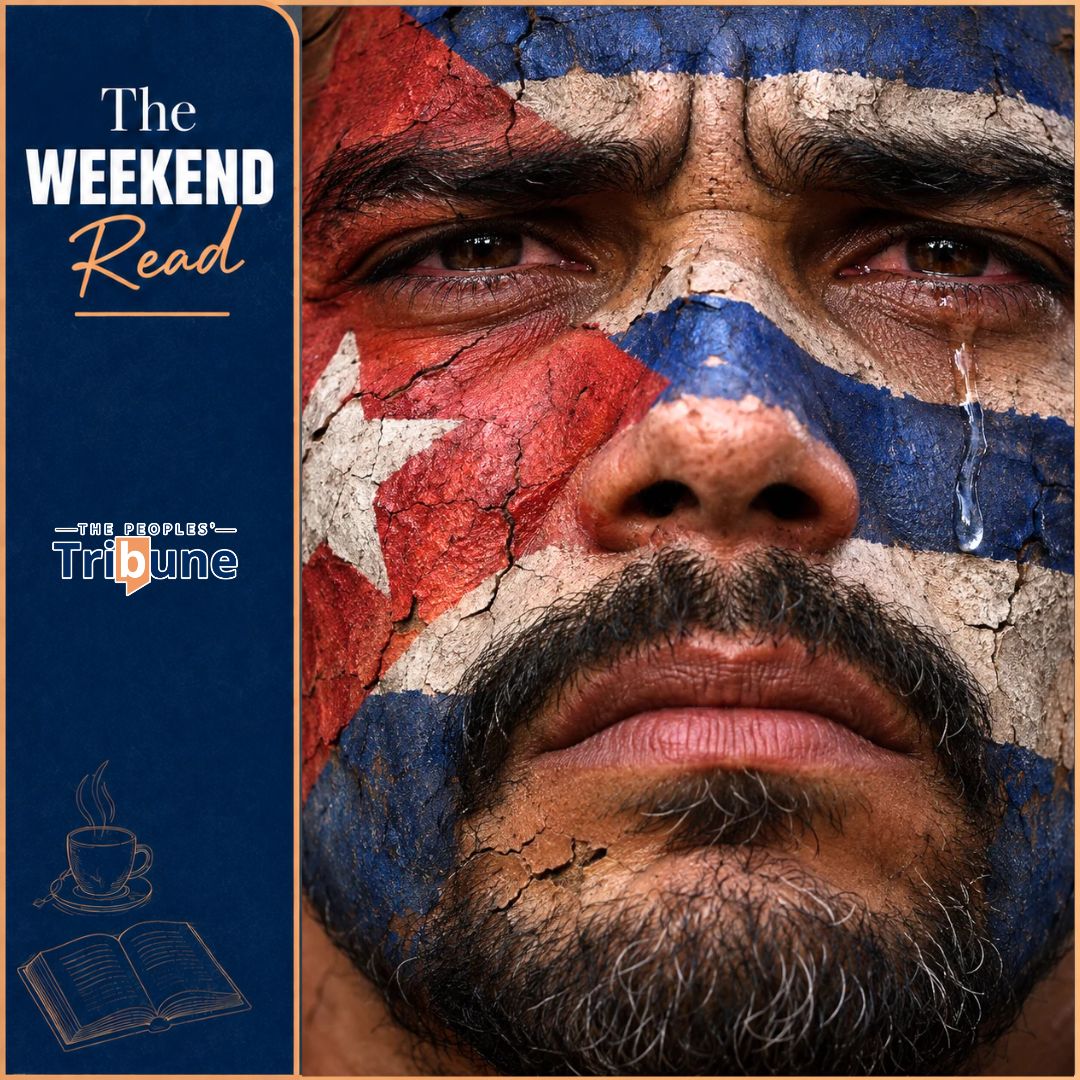
For more than half a century, Cuba has been a dependable Caribbean partner, sending doctors, training medical professionals, providing scholarships and helping countries recover from disasters despite its own economic difficulties. Yet as Havana confronts one of its worst crises in decades, several nations that benefited from that assistance are changing their positions, raising questions about regional solidarity, diplomatic independence and American influence.
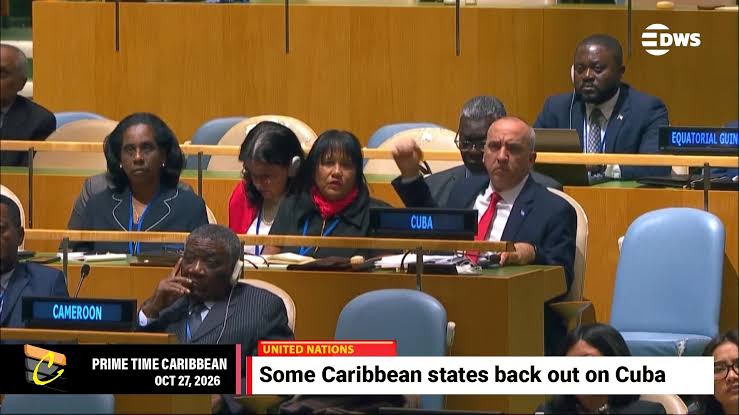
The shift was evident on October 28, when the United Nations General Assembly again voted on a resolution calling for an end to the United States' economic, commercial and financial embargo against Cuba. The resolution passed by 130 votes to 17, with 25 abstentions, but support had fallen from 165 countries in 2025 and 187 in 2024, its weakest showing in approximately two decades.
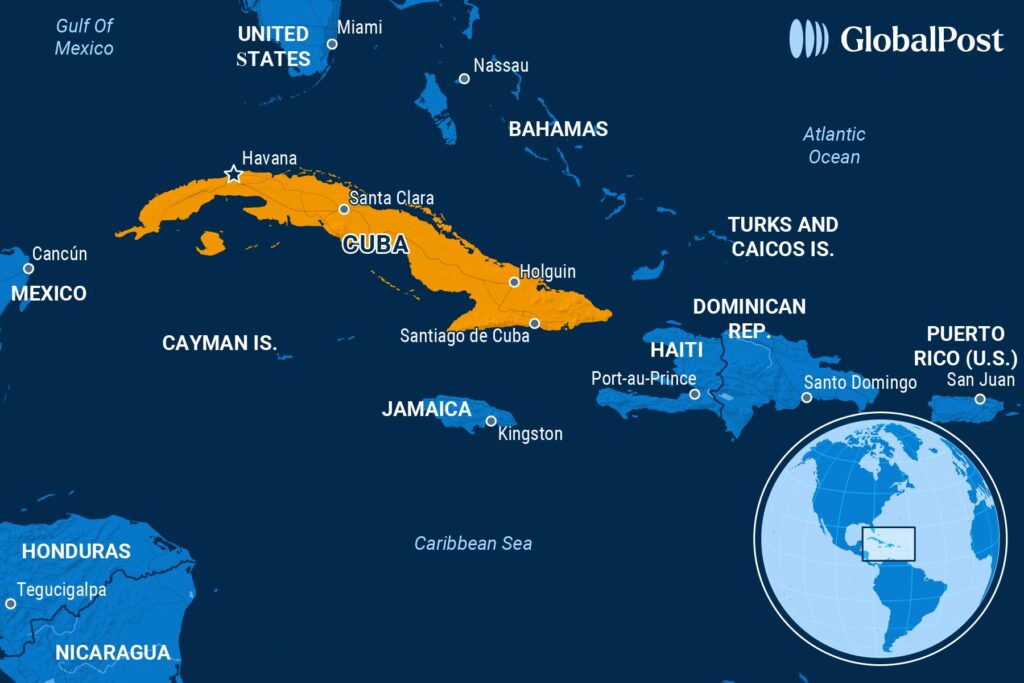
The Caribbean's divided response was especially striking. Trinidad and Tobago voted against the resolution, Jamaica, Guyana and Haiti abstained, and Antigua and Barbuda, Dominica and St. Lucia did not record votes. Only seven CARICOM members supported it: The Bahamas, Barbados, Belize, Grenada, St. Kitts and Nevis, St. Vincent and the Grenadines, and Suriname.
The historical irony
On December 8, 1972, Barbados, Guyana, Jamaica and Trinidad and Tobago jointly established diplomatic relations with Cuba, defying Cold War efforts to isolate Havana. The decision became a landmark assertion of Caribbean sovereignty and helped lay the foundations for more than five decades of cooperation.
In October 2026, only Barbados among those four countries voted to end the embargo. Jamaica and Guyana abstained, while Trinidad and Tobago opposed the resolution, an extraordinary change in a relationship once defined by regional unity.
Cuba's contribution has been visible in hospitals and communities across the Caribbean. In Jamaica, the Jamaica-Cuba Eye Care Program performed 8,837 cataract surgeries, 8,491 diabetic retinopathy laser treatments and 4,084 pterygium surgeries between 2010 and 2019, according to Jamaica's Ministry of Health, which estimated that at least 17,000 people avoided preventable blindness.
When Haiti was devastated by the 2010 earthquake, hundreds of Cuban medical workers were already present. The Pan American Health Organization reported that Cuba supplied 403 healthcare workers in the immediate response, including 334 stationed there before the disaster.
Cuban professionals have also worked in clinics throughout the region, while Caribbean students received scholarships for medical training in Havana. Cuba provided technical assistance in education and agriculture, creating a record of cooperation repeatedly acknowledged by regional governments.
Medical partnerships under strain
The diplomatic shift has coincided with changes to longstanding healthcare arrangements. In March 2026, Jamaica discontinued its program for Cuban medical professionals after the governments failed to agree on new contractual terms, including direct salary payments and workers' control over travel documents.
Of approximately 278 Cuban healthcare workers affected, more than 40 subsequently remained in Jamaica under individual contracts. Guyana also saw the withdrawal of more than 200 Cuban medical professionals following disagreements over payment arrangements, raising questions about staffing in healthcare systems that had relied on these workers.
Washington has intensified scrutiny of Cuba's overseas medical missions, accusing Havana of exploiting workers and restricting their freedoms. Cuba rejects those accusations and describes the American campaign as an effort to dismantle a major form of international cooperation, while participating governments remain responsible for protecting workers' rights.
Governments explain their positions
Trinidad and Tobago Prime Minister Kamla Persad-Bissessar has taken one of the strongest positions against Havana. Before the vote, she challenged 11 former CARICOM leaders who urged support for the resolution, arguing that they were defending a one-party political system they would not accept at home.
Jamaican Foreign Affairs Minister Kamina Johnson Smith offered a different explanation for abstaining. She said decades of supporting the same resolution had not improved conditions for the Cuban people, while Jamaica maintained its opposition to unilateral restrictions and called for domestic reform, economic integration and dialogue with Washington.
Abstaining from a UN resolution does not automatically mean severing diplomatic ties or rejecting decades of cooperation. Nevertheless, critics and former Caribbean leaders have questioned whether changing positions signal an erosion of independently established regional foreign policy principles.
Washington's growing influence
The votes came as the Trump administration increased economic and diplomatic pressure on Cuba, including restrictions affecting fuel supplies. Reuters reported that United States lobbying persuaded several countries to oppose the resolution or abstain, although it has not been established that American pressure directly determined each CARICOM government's vote.
The United States remains a crucial source of tourism, trade, investment and diaspora connections for Caribbean states. That dependence gives governments powerful incentives to preserve relations with Washington, even as they try to uphold independent positions on regional issues.
Jamaica, for instance, says its medical agreement ended over labour and contractual concerns rather than American pressure. The broader question is how Caribbean governments balance those explanations and national interests against their historic commitment to regional solidarity.
Former leaders sound the alarm
Ahead of the UN vote, 11 former CARICOM heads of government appealed for support for the resolution, including former Jamaican prime ministers P.J. Patterson and Bruce Golding, Trinidad and Tobago's Keith Rowley, St. Lucia's Kenny Anthony and St. Vincent and the Grenadines' Ralph Gonsalves. Their intervention underscored the widening gap between the region's traditional approach and some current governments' positions.
In May 2026, CARICOM's Council for Foreign and Community Relations had expressed concern about Cuba's worsening humanitarian situation and condemned measures obstructing fuel supplies. Guyana and Trinidad and Tobago reserved their positions then, an early indication that the region's consensus was weakening.
A friendship being tested
Cuba's one-party political system, restrictions on civil liberties and economic management deserve scrutiny, and Caribbean governments are entitled to reassess their policies. But opposition to Cuba's government is not necessarily the same as support for economic restrictions that deepen hardship for ordinary Cubans, just as past assistance does not oblige countries to endorse Havana's policies.
The October vote exposed a challenge for CARICOM: whether its members can sustain common principles on sovereignty, cooperation and humanitarian concerns amid political disagreement. Seven countries still supported lifting the embargo, showing that the region has not united in turning away from Cuba.
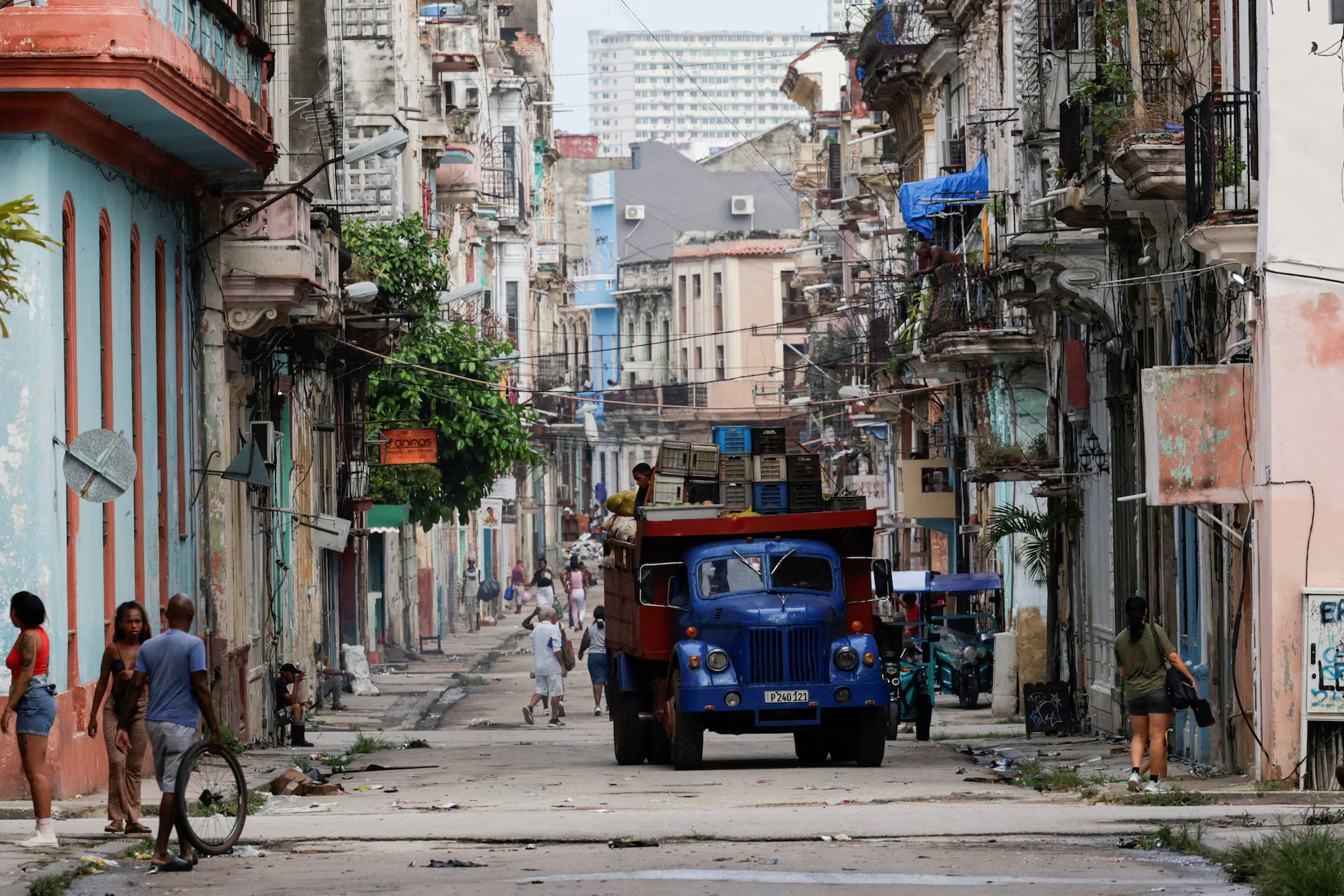
For decades, Cuba provided doctors, education and emergency assistance when Caribbean communities needed them. Now that it faces shortages of food, fuel, medicine and electricity, the region must decide how much that history matters when political and economic priorities change.