

Caribbean drought deepens as El Niño, heat and rainfall shortages squeeze water supplies
.jpg)
Across the Caribbean, a growing drought problem is colliding with the hottest part of the year, placing additional strain on reservoirs, groundwater, agriculture and household water supplies at a time when the region would normally expect its wet season to provide relief.
The drought is not affecting every Caribbean country with the same severity. However, the Caribbean Institute for Meteorology and Hydrology, CIMH, is warning that significant parts of the region remain vulnerable, while rainfall from August through October is expected to be normal or below normal across much of the Caribbean. Fewer wet days than usual are also forecast.
By late July, CIMH's regional drought outlook called for a long-term drought emergency to be considered for Saint Lucia. Drought warnings were recommended for Antigua, the northwestern Bahamas, Grand Cayman, Martinique and St. Kitts, while drought watches covered the ABC Islands, northern Bahamas, Grenada, Guadeloupe, St. Vincent, Tobago and the US Virgin Islands. Shorter-term drought concerns extend across an even wider area, including portions of Puerto Rico and other parts of the Leeward Islands.
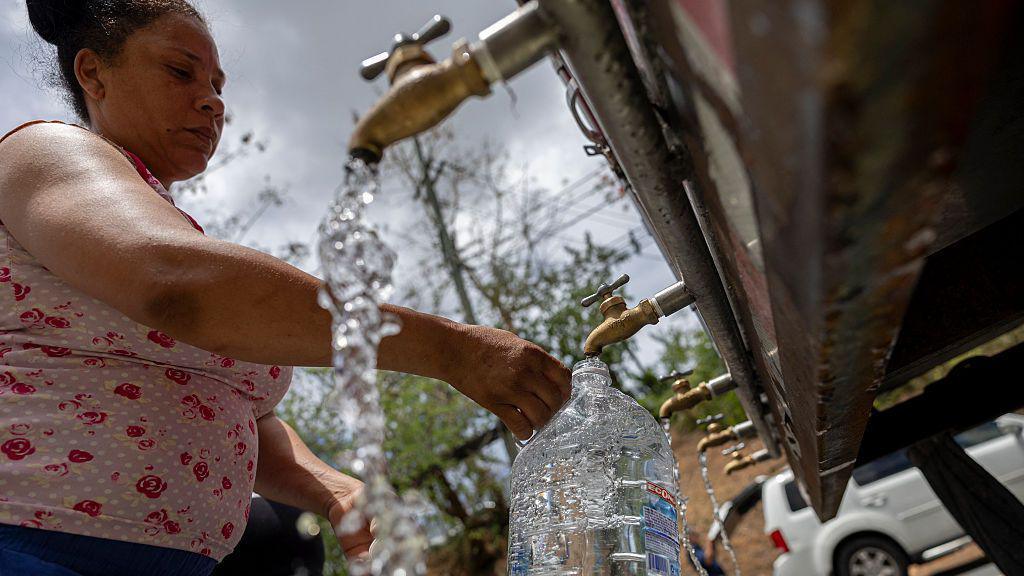
Puerto Rico has provided one of the clearest examples of how quickly the situation can become serious. Nearly 68 per cent of the island was experiencing drought conditions in early August, while the critically low Carraízo reservoir forced authorities to introduce rotating water rationing affecting tens of thousands of people. San Juan recorded its driest July on record.
A drought that began before 2026
Part of the current problem can be traced to rainfall shortages that accumulated well before this summer.
Large rainfall deficits developed across sections of the eastern and southern Caribbean during the 2025 wet season. CIMH reported that relatively dry atmospheric conditions over the Tropical North Atlantic contributed to drought developing in several territories, meaning some islands entered 2026 without fully replenished groundwater, reservoirs and soil moisture.
That distinction matters because drought is not simply several weeks without rain. A heavy shower can flood roads while doing relatively little to erase months of accumulated water shortages. Long-term drought develops when rainfall deficits persist long enough to affect larger reservoirs, rivers and underground water supplies.
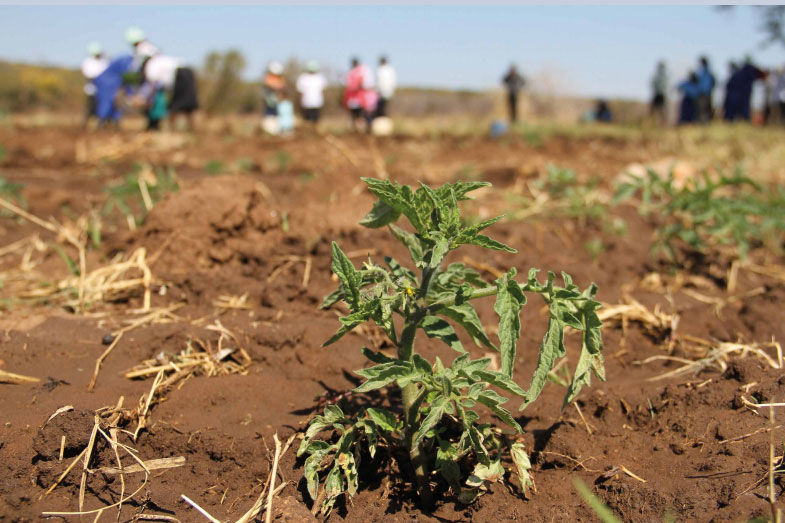
Puerto Rico, for example, entered this summer with rainfall deficits that became increasingly severe. By late July, most areas had received less than 60 per cent of their normal rainfall during the preceding 60 days, while portions of the south and southwest had received less than 20 per cent. Rivers, reservoirs and groundwater levels were declining, and soil moisture was critically low in several agricultural areas.
El Niño is adding another problem
The emergence of El Niño is now threatening to prolong those dry conditions.
El Niño occurs when surface waters in the central and eastern equatorial Pacific become unusually warm, setting off changes in atmospheric circulation that can alter rainfall thousands of kilometres away.
The World Meteorological Organization reported in June that there was an 80 per cent probability of El Niño conditions during June through August and a probability near or above 90 per cent that the event would continue until at least November. Forecast models indicated that the event could become moderate or strong.
For the Caribbean, that is important because El Niño is typically associated with drier conditions across the region. It can also suppress some of the tropical waves and cyclones that normally contribute substantial rainfall during the second half of the year.
That creates an unusual contradiction. El Niño can reduce Atlantic hurricane activity while simultaneously worsening drought. Fewer tropical systems may mean fewer immediate storm threats, but it can also mean fewer opportunities for widespread rainfall.
Heat makes drought worse
Rainfall is only half of the equation. Temperature determines how quickly the water that does fall disappears.
Higher temperatures increase evaporation from reservoirs, ponds and soils and increase the amount of water lost by vegetation. When rainfall is already below normal, persistent heat can therefore turn a rainfall shortage into a more serious agricultural and water-supply problem.
The World Meteorological Organization has warned that rising temperatures are accelerating the global water cycle, with more rapid evaporation and faster soil drying worsening drought conditions. Human-caused climate change does not mean every individual drought has a single cause, but a warmer climate can intensify water stress when natural drought-producing patterns such as El Niño occur.
Agriculture feels it first
Farmers are often among the first to see the consequences.
Dry soil affects germination and crop development, while farmers become increasingly dependent on irrigation. Livestock require more drinking water during hotter conditions, even as ponds and other traditional sources shrink.
In Puerto Rico, farmers have reported cracked soils, wilting young banana plants, premature breadfruit and avocado losses and stress on cacao trees. Nearly 300 wildfire reports had also been recorded during the dry period assessed in July.
Similar conditions can eventually affect food prices throughout the Caribbean. Many islands already depend heavily on imported food, while local agriculture remains vulnerable to both drought and extreme rainfall.
What it means for St. Maarten
St. Maarten is not presently listed among the territories facing the region's highest drought alert level, but conditions warrant attention.
The Meteorological Department of St. Maarten has forecast lower-than-usual rainfall for St. Maarten and the northern Leeward Islands during the July-to-September period. The wider regional outlook also places parts of the Leeward Islands under drought watch as the year progresses.
For an island with limited natural freshwater resources, the lesson from elsewhere in the Caribbean is that drought preparedness cannot begin when the taps start running dry.
Water conservation, rainwater collection, leak reduction, improved storage and planning for periods of reduced rainfall are increasingly becoming part of Caribbean resilience.
The region may still receive heavy showers, tropical waves and even flooding during the coming months. But those events do not erase the broader trend. In several Caribbean territories, the wet season is now being asked to repay a rainfall debt accumulated over many months, and the developing El Niño may make that increasingly difficult.