

.jpg)


UNITED NATIONS--United Nations Emergency Relief Coordinator Tom Fletcher has warned that the return of El Niño could bring extreme heat, drought and flooding across vulnerable regions, including drier conditions in parts of the Caribbean that could place added strain on water supplies, agriculture, food production and electricity systems.
Fletcher said the climate phenomenon is returning at a time when many countries are already dealing with conflict, displacement and high food, fuel and fertilizer prices. At the same time, the international humanitarian system is facing a severe shortage of funding.
The UN humanitarian chief said aid agencies are acting early to reduce the potential impact and are prepared to release up to US$100 million from the Central Emergency Response Fund, known as CERF, to support anticipatory humanitarian action.
That funding would build on more than US$20 million already allocated in six countries to help governments and humanitarian partners prepare before the most serious effects are felt.
Anticipatory action can include protecting water systems, distributing emergency supplies, supporting farmers, strengthening health services and assisting communities at risk of drought, flooding, food insecurity and displacement.
Fletcher called for early and flexible financing that matches the scale of the threat. He also urged the international community to place greater focus on resolving conflicts, supporting people forced to flee their homes and pursuing stronger climate action.
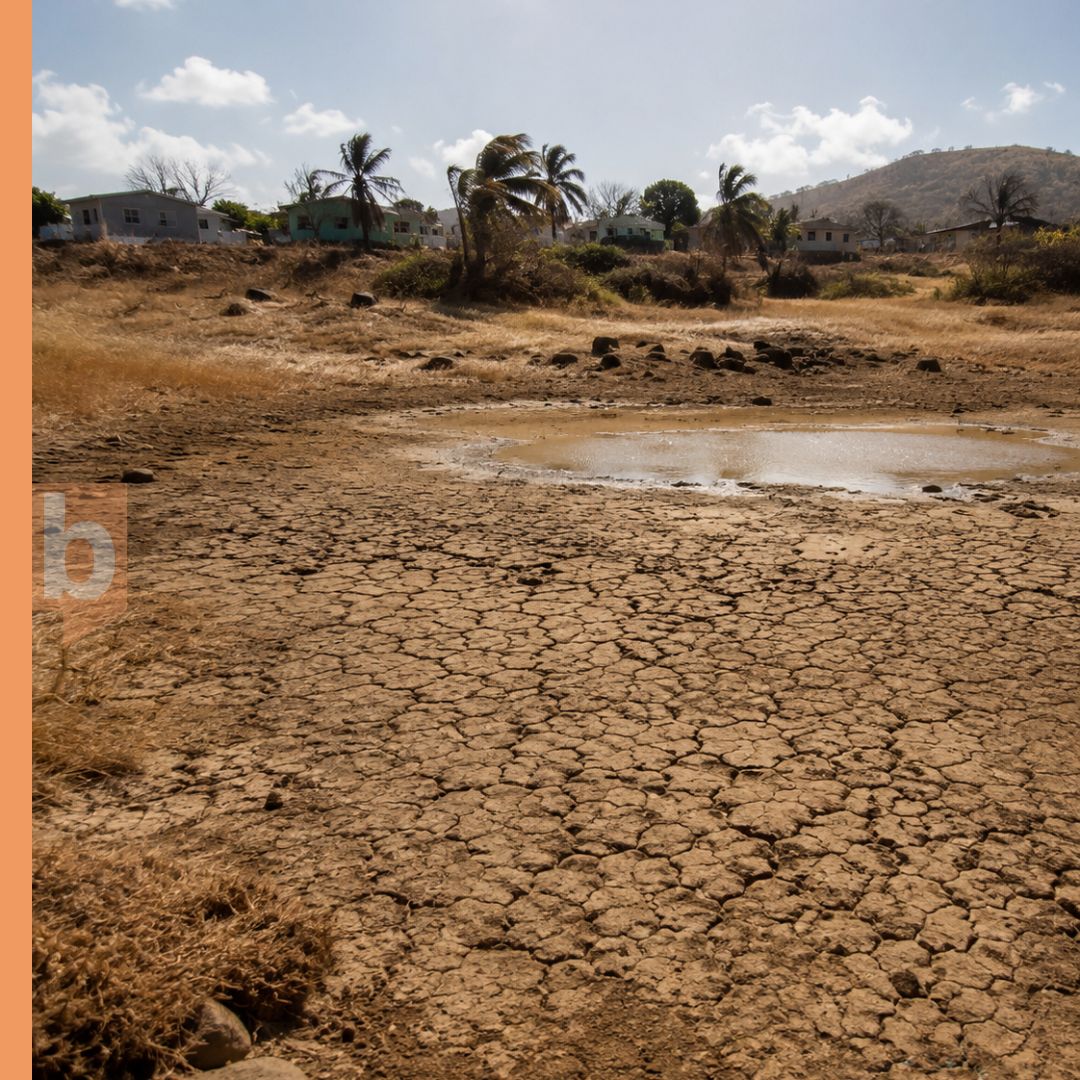
For the Caribbean, El Niño can contribute to reduced rainfall and prolonged dry periods in some territories. These conditions can increase pressure on drinking water production, reservoirs, groundwater supplies and agriculture, while also raising the risk of heat stress and dry vegetation.
Small island countries can be particularly vulnerable because of their limited freshwater resources, dependence on imported food and fuel, and the high cost of responding to climate-related emergencies.
Extended drought conditions can also affect crop yields, livestock, household water use and electricity production, particularly in countries that rely heavily on water-intensive generation systems or fuel imports.
The warning highlights the need for Caribbean governments and utility companies to review drought-response plans, monitor water availability, support vulnerable farmers and strengthen public communication on water conservation and heat protection.
Regional coordination may also become increasingly important as governments continue to manage high import costs, infrastructure limitations and the financial effects of previous storms and other climate-related events.
Fletcher stressed that acting before a crisis reaches its peak can protect lives, preserve livelihoods and reduce the eventual cost of humanitarian assistance.
The Central Emergency Response Fund was established to provide rapid financing for humanitarian emergencies and to support early action when there is a risk that conditions could worsen.
Join Our Community Today
Subscribe to our mailing list to be the first to receive
breaking news, updates, and more.
