




GREAT BAY--The continued acceptance of physical punishment as a method of disciplining children in Caribbean households came under scrutiny on Tuesday evening, November 24, as participants in the Ombudsman’s domestic abuse awareness event called for changes in parenting practices, greater public education and increased recognition of the psychological consequences of childhood violence.
The subject emerged repeatedly during “Behind Closed Doors: Raising Awareness of Domestic Abuse,” hosted by the Ombudsman of St. Maarten at the University of St. Maarten. The discussion brought together legal, psychological, historical and cultural perspectives on a practice that remains accepted within sections of Caribbean society.

During his presentation, Curaçao Ombudsman and Children’s Ombudsman Keursly Concincion emphasized that the protection of children under the United Nations Convention on the Rights of the Child includes refraining from physical punishment, even when adults believe they are acting in the interests of discipline.
Concincion repeated this point during his address, stressing the obligation to refrain from “any form of physical punishment, including hitting a child in the name of discipline.”
He explained that children were historically regarded as the property of their parents, with adults exercising considerable authority over their upbringing. Over time, greater recognition of children's individual rights has challenged parenting practices that prioritize obedience while giving insufficient consideration to emotional development and personal dignity.
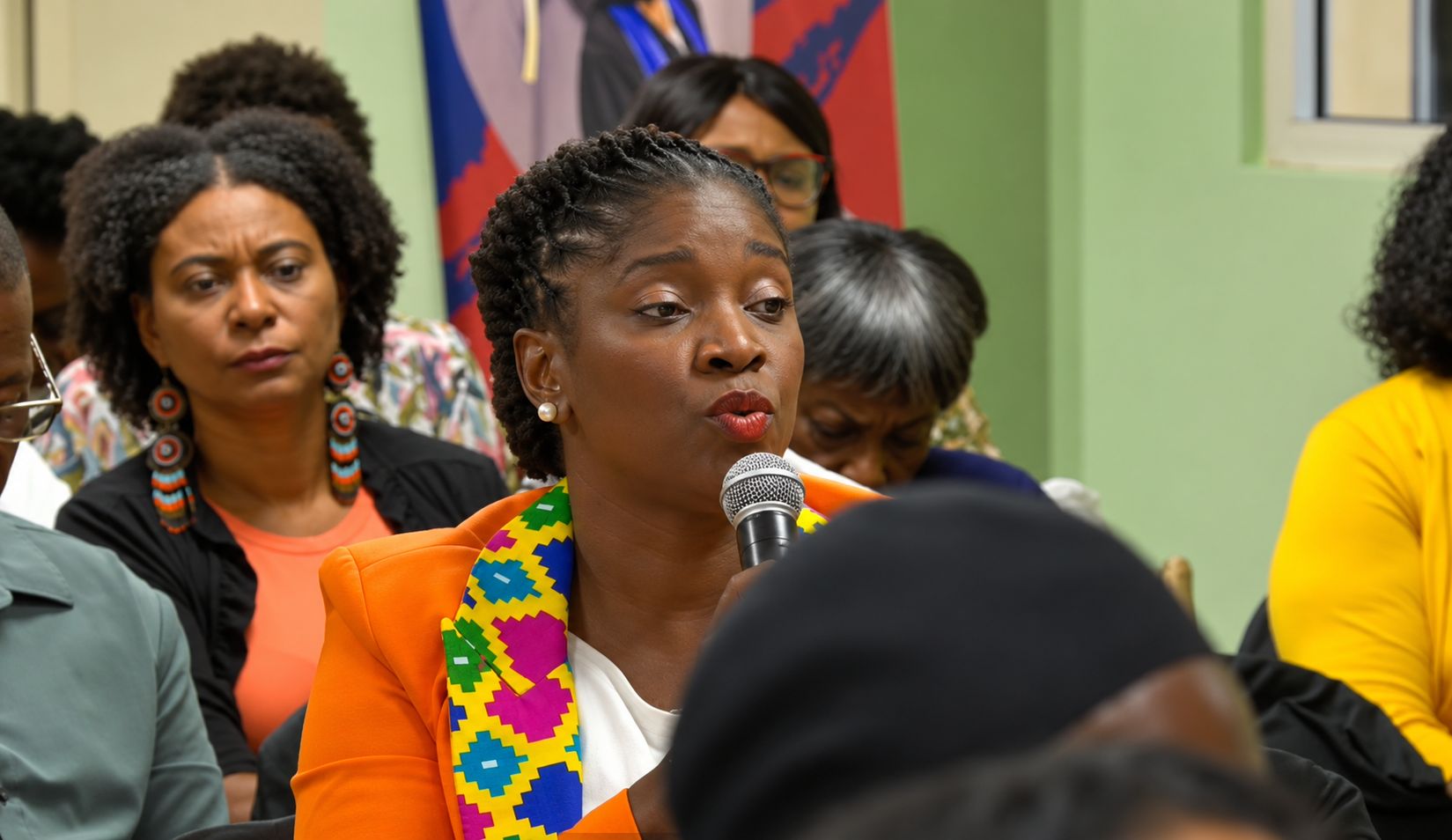
The subject was raised again during the audience discussion when a young attendee expressed concern that Caribbean parents sometimes regard beating, slapping and verbal abuse as acceptable methods of correcting children without understanding their consequences.
The attendee called for greater awareness of alternative disciplinary methods and education for parents about the effects of physical punishment on children's development. Her intervention received applause from members of the audience.
Licensed psychologist Stephanie Haseth agreed, emphasizing that legislative changes must be accompanied by changes in attitudes within households, schools, sporting organizations and other institutions responsible for children.
Haseth questioned how society expects children to become capable, emotionally healthy adults if their experiences during childhood undermine their self-worth and sense of security. She advocated for greater investment in preparing parents for their responsibilities and introducing alternative methods of addressing children's behaviour.
During her earlier presentation, Haseth explained that children exposed to violence can develop psychological survival responses that adults subsequently interpret as behavioural problems. Aggression, withdrawal, difficulty concentrating, resistance to authority and excessive attempts to please others can reflect efforts to cope with fear and instability.
These responses can also influence how individuals approach relationships in adulthood, particularly their ability to trust others, manage conflict, communicate their needs and establish personal boundaries.
Haseth emphasized that childhood trauma does not produce identical outcomes for everyone. Supportive relationships, safety and professional assistance can help children overcome adverse experiences and develop healthier ways of managing their emotions.
The historical origins of physical punishment
The discussion also examined the possible relationship between Caribbean disciplinary practices and the region's history of slavery and colonialism.
Aishira Cicilia, legal advisor at the Bureau Ombudsman and a member of the investigation team, disclosed that the historical and cultural dimensions of physical punishment emerged repeatedly during interviews conducted for the systemic investigation.
According to Cicilia, survivors, schools and government institutions identified the legacy of slavery and colonialism as contributing factors in the continued acceptance of physical punishment within Caribbean families.
“When we asked you what was one of the biggest contributors and why we think it's okay to beat our children, you told us that it was our history with slavery,” Cicilia stated.
She discussed how strict obedience historically became associated with survival under systems of slavery, where enslaved individuals and their families could face severe consequences for challenging imposed authority.
Cicilia encouraged the audience to examine the origins of expressions commonly used to justify physical punishment, including references to how previous generations were disciplined. She questioned whether practices inherited from earlier generations should continue to guide parenting when the circumstances that shaped them have changed.
She also pointed out that the same cultural attitudes can influence how professionals working within public institutions respond to reports of abuse.
“Our institutions are made up of people with these same cultural beliefs and biases,” Cicilia explained.
The historical connection was presented as a perspective emerging from the investigation’s interviews and discussions with experts. Addressing legislation alone, she argued, would leave some of the attitudes that contribute to the acceptance of violence unchallenged.
Children learning from relationships at home
The discussion also examined whether girls who grow up witnessing violence are more likely to accept abusive behaviour in their own relationships later in life.
Responding to a question from the Ombudsman of Aruba, Haseth said that, in her professional opinion, there is a connection between children's exposure to unhealthy relationships and their developing understanding of acceptable behaviour between partners.
She cautioned, however, that limited local data prevents her from establishing the prevalence of this pattern in St. Maarten.
Drawing on her clinical experience, Haseth explained that girls who repeatedly witness disrespect or abuse directed towards their mothers may develop diminished expectations of their own value and what they should accept in relationships.
Similarly, boys raised in environments where emotional expression is discouraged and aggressive behaviour is associated with masculinity may develop unhealthy expectations concerning relationships, authority and conflict.
Haseth said these attitudes can begin developing well before adolescence. She advocated for age-appropriate education concerning emotions, self-worth, respect and relationships from the earliest stages of childhood.
Young people requesting parenting support
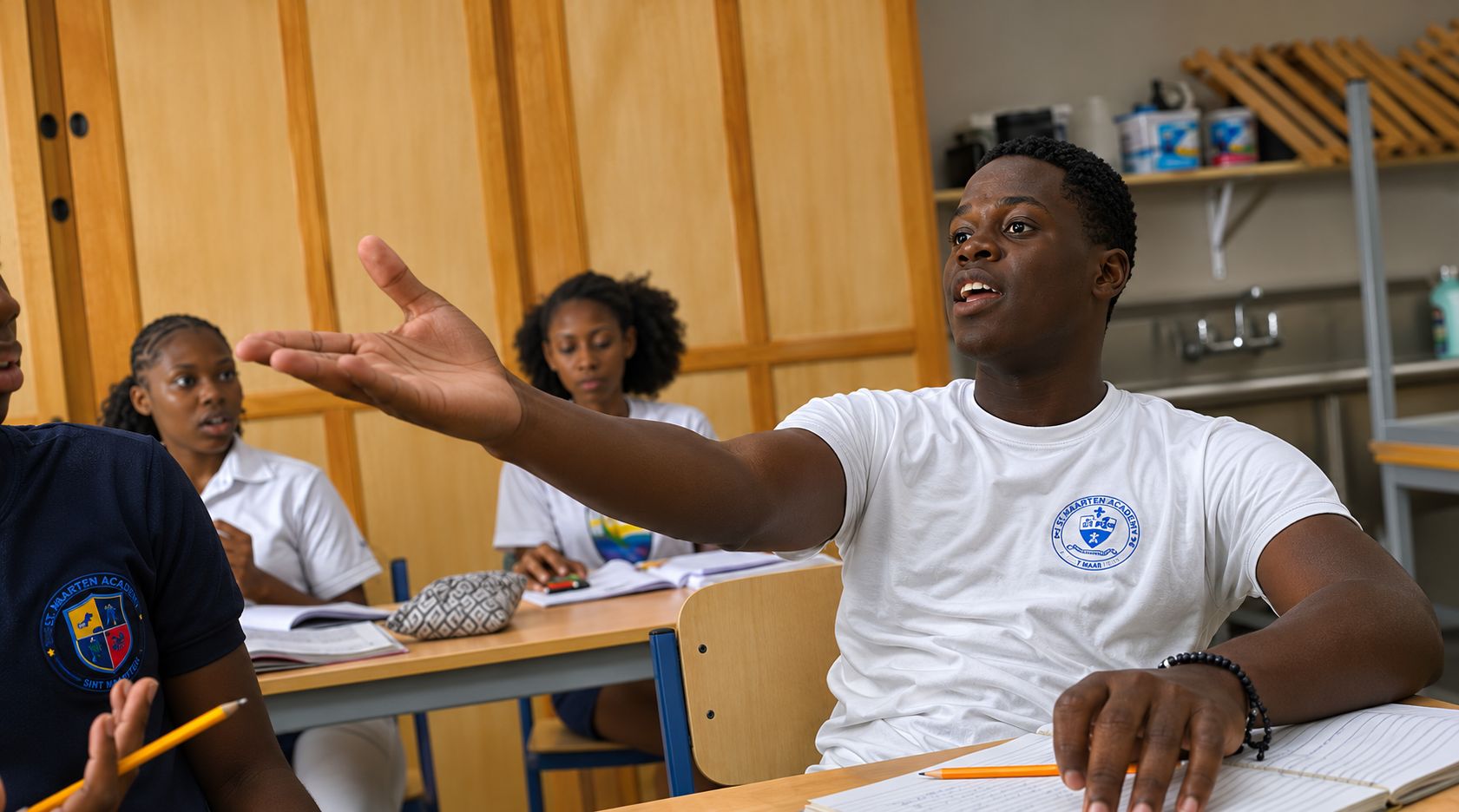
The Ombudsman’s investigation also revealed that young people themselves recognize the need for changes in parenting practices. During discussions with the investigation team, young participants requested additional support for their parents, including guidance on how to communicate with, understand and raise children.
Ombudsman Gwendolien Mossel said some young participants described the proposed assistance as parenting school.
Mossel emphasized that children can be guided and corrected through methods that do not involve physical punishment. She also expressed concern about young people who experience abuse, encounter difficulties later in life and enter the youth detention system without sufficient rehabilitation or reintegration support.
The investigation’s recommendations include greater investment in parenting support, youth education, independent children's rights oversight and stronger protection mechanisms.
The discussion challenged the assumption that experiences of physical punishment should be accepted because previous generations endured similar treatment. Participants encouraged the community to examine what children learn about authority, violence, relationships and conflict resolution when physical force is used against them.
Concincion connected the treatment of children to the future development of Caribbean societies, emphasizing that today's children will eventually assume responsibility for their families, communities and countries.
The manner in which they are treated during childhood, he said, will influence the kind of adults and leaders they become.
Join Our Community Today
Subscribe to our mailing list to be the first to receive
breaking news, updates, and more.