.jpg)


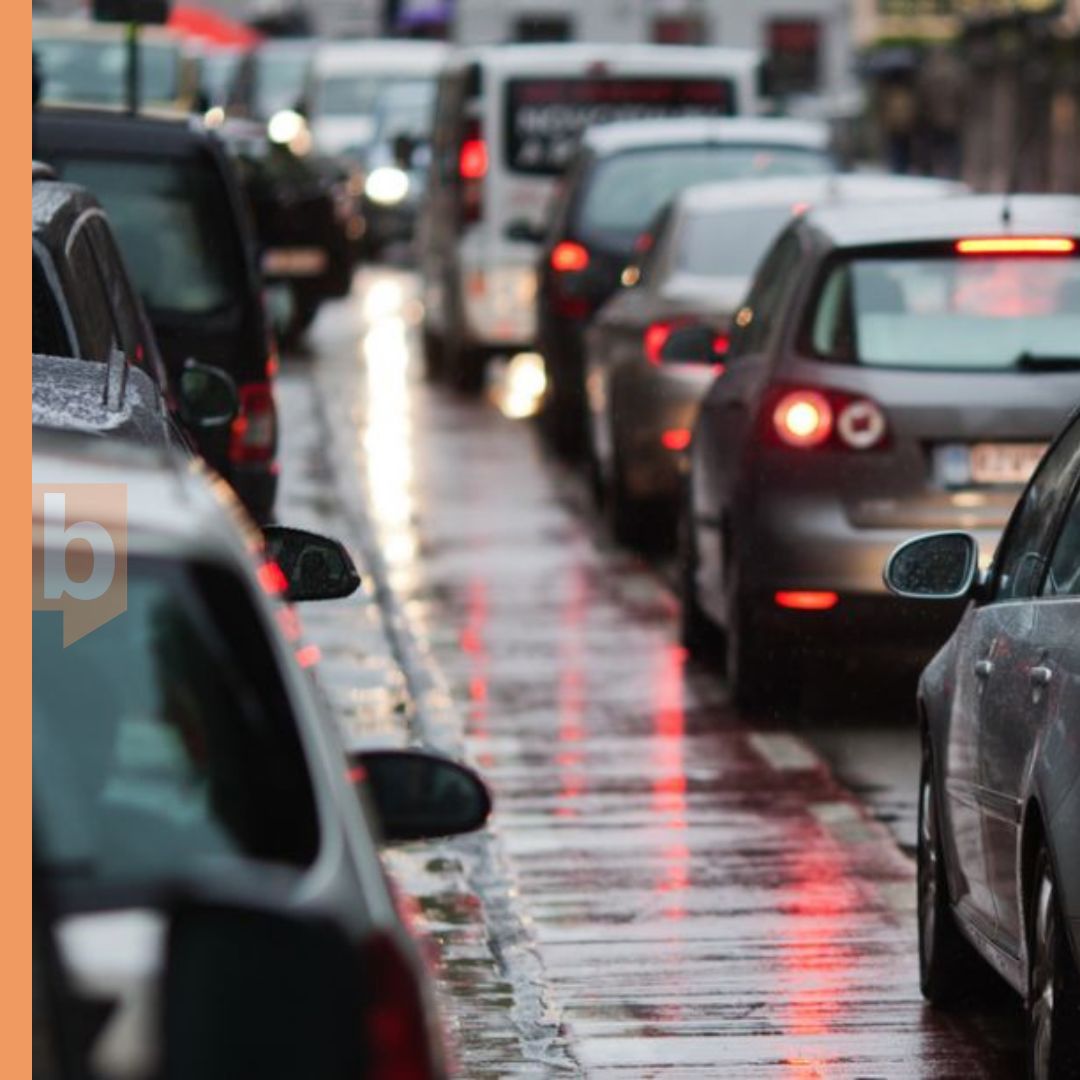
GREAT BAY--Port St. Maarten is projecting a cruise year that could bring close to 1.8 million passengers to the country and air arrivals/stay over visitors are projected to be the same if not more from December 2026 to April, 2027 but the Government has yet to present the public with a clear road traffic plan for handling the next high season.
That growth is good news for tour operators, taxi drivers, restaurants, retailers, vendors and other businesses that depend on visitor activity. It also raises an unavoidable question for the Ministries of VROMI, Justice and TEATT: what is the traffic management plan for the months when cruise arrivals, stay-over tourism, school traffic, airport activity and residents’ daily commutes again collide on the same limited road network?
Government has repeatedly acknowledged the problem, but to date, no plan.
In November 2025, VROMI Minister Patrice Gumbs said a comprehensive traffic study would proceed in three phases. Phase One was supposed to identify quick wins, while the later phases would examine possible infrastructure changes. He also recognised that St. Maarten’s fundamental challenge was road capacity and how the existing road network is being used.
Questions about that process were already being raised in January. MP Darryl York noted that VROMI had reportedly engaged the United Nations Office for Project Services in December 2024 to develop a comprehensive traffic action plan, but Government subsequently announced a Letter of Intent with UNOPS in January 2026. York asked whether the letter represented the completion of the earlier initiative or the formal beginning of it, and why no findings, deliverables or implementation schedule had been published.
Those questions remain relevant. Was the study completed? Is it still being conducted? What has UNOPS delivered? What did the process cost? Which recommendations were accepted, and which measures will be implemented before November?
In January, the Ministers of TEATT and Justice described the traffic response as a coordinated effort involving their ministries and VROMI. Justice Minister Nathalie Tackling said VROMI was pursuing a data-driven study that would identify short-term measures while longer-term planning continued. She also made clear that police officers could assist with traffic control and enforcement, but could not solve congestion caused by too many vehicles moving through insufficient road space.
By March, Prime Minister Dr. Luc Mercelina had outlined several options under discussion, including one-way traffic loops, improvements to public transportation and bus stops, a review of vehicle imports, reopening Weymouth Hill toward Dutch Quarter, examining a connection from St. Peters through Marigot Hill, improving the Cay Hill to Cole Bay connection and considering long-term changes around the Simpson Bay Bridge. He also said the country had approximately 30,160 vehicles and relied on seven main road corridors.
In May, Government announced plans for a joint technical committee involving St. Maarten, Saint-Martin, VROMI, Justice and TEATT. The countries were expected to exchange vehicle-registration and traffic data to support island-wide mobility planning. That cooperation is necessary, particularly because congestion does not stop at the border, but the public has not been told whether the committee was established, whether the requested data was received or what decisions followed.
VROMI also announced in May that three major traffic-related projects were undergoing stakeholder review. The ministry identified the restoration of the Ring Road as one of them and began clearing and surveying sections of the route, but no complete timetable was given for placing it into functional use. The other projects were not fully detailed in that announcement, and no broader traffic program with deadlines, budgets and performance targets was presented.
Justice faces its own unresolved obstacles. In July, Minister Tackling disclosed that a draft modernisation of the Road Traffic Ordinance had remained unavailable for years because the company that prepared it had not been paid. The existing law does not properly support several forms of modern enforcement, including speed cameras, licence-plate fines and current breath-testing standards. Completing the ordinance could strengthen enforcement, but the Minister also acknowledged that legislation would still require equipment, systems, personnel and financing.
Traffic officers standing at intersections can temporarily improve movement, particularly around school hours, major events and heavy cruise days. That approach, however, places additional pressure on a police force that must also respond to crime, accidents, emergencies and public-order responsibilities. It cannot remain the country’s primary traffic strategy.
Join Our Community Today
Subscribe to our mailing list to be the first to receive
breaking news, updates, and more.