.jpg)


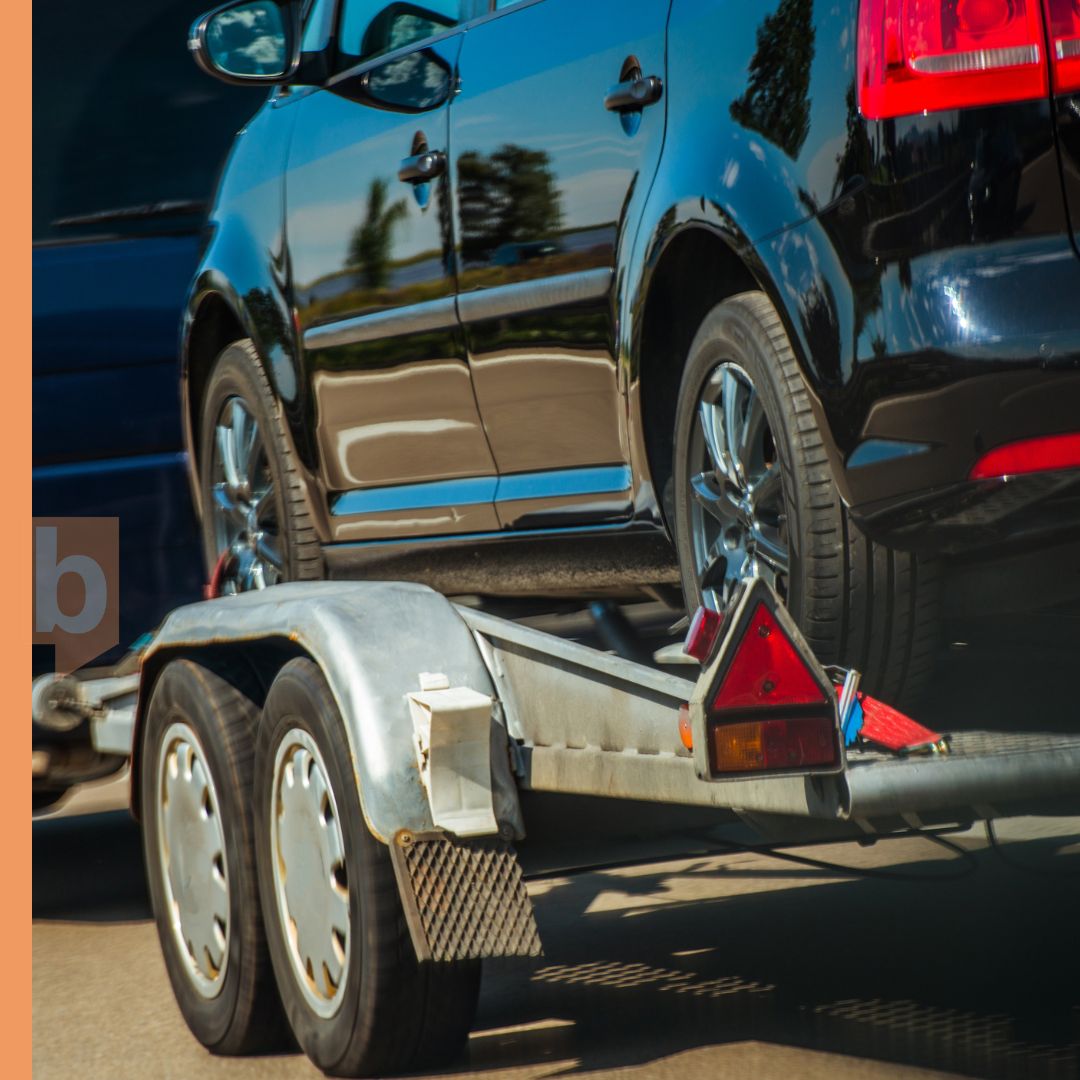
GREAT BAY--St. Maarten recorded 1,853 automobiles imported during the first eight months of 2026, slightly above the 1,810 vehicles recorded over the same period last year, according to cargo traffic figures covering January 1 through August 31.
The increase amounts to 43 additional automobiles, or approximately 2.4 percent year-on-year. While the change in the number of vehicles imported is relatively modest, the gross registered tonnage associated with incoming automobiles increased more sharply, rising from 3,131 in the first eight months of 2025 to 3,548 over the same period in 2026. That represents an increase of approximately 13.3 percent.
The figures offer additional context as St. Maarten continues to grapple with road congestion and Government considers whether vehicle imports should eventually form part of a broader transportation response.
Automobile exports also increased slightly. A total of 46 automobiles were recorded as outgoing cargo through August 2026, compared with 42 during the corresponding period in 2025, an increase of approximately 9.5 percent. However, the gross registered tonnage associated with those outgoing vehicles fell from 95 to 82.
Strong increase in vehicles arriving in transit
A much larger change occurred in the automobile transit category. The data show 665 automobiles recorded as transit arrivals during the first eight months of 2026, compared with 456 during the same period last year.
That represents an increase of 209 vehicles, or approximately 45.8 percent. Gross registered tonnage for automobiles arriving in transit rose even faster, from 1,086 to 1,789, an increase of approximately 64.7 percent.
The opposite movement was recorded for automobiles leaving in transit. Automobile transit departures declined from 335 during January through August 2025 to 179 during the same period this year. That is a decline of approximately 46.6 percent.
Gross registered tonnage for automobile transit departures also fell, from 859 to 570, a decrease of approximately 33.6 percent.
The figures indicate that the movement of vehicles through St. Maarten changed considerably over the year, with substantially more automobiles arriving in transit but fewer recorded as departing in that category during the comparison period. The data provided do not explain the reason for that difference or indicate the final destinations of transit vehicles.
Boat traffic remains relatively small
Boat cargo remained limited in comparison with automobile traffic. Ten boats were recorded as incoming cargo during the first eight months of both 2025 and 2026. Their gross registered tonnage, however, declined from 63 to 47.
Five boats were recorded as outgoing cargo in 2026, compared with only one during the same period last year. Because the 2025 base was so small, the percentage increase is large and should be viewed in that context.
Boat transit arrivals declined slightly from seven to six, while transit departures decreased from five to two. The gross registered tonnage associated with boat transit departures fell from 22 to 12.
Heavy equipment shows mixed movement
Heavy equipment cargo also showed mixed results. Two pieces of heavy equipment were recorded as incoming cargo through August 2026, compared with six during the corresponding period of 2025. Despite the lower quantity, gross registered tonnage increased from 178 to 226, suggesting that the equipment imported this year was, on average, heavier.
Outgoing heavy equipment increased from eight pieces in 2025 to nine in 2026. Gross registered tonnage increased considerably, from 99 to 187, an increase of approximately 88.9 percent.
The 2026 table does not list quantities for heavy equipment transit arrivals or departures, while the 2025 figures show 15 transit arrivals and 11 transit departures. The absence of figures for 2026 should not automatically be interpreted as zero without further clarification from the reporting authority.
Vehicle numbers enter wider traffic discussion
The automobile figures are particularly relevant because Government has now publicly acknowledged that a temporary moratorium on vehicle imports is among the measures being examined as St. Maarten looks for ways to address congestion.
Minister of Tourism, Economic Affairs, Transport and Telecommunication Grisha Heyliger-Marten said this week that no decision has been taken and that any possible moratorium would first require a comprehensive assessment. She linked the discussion to the wider question of how many vehicles St. Maarten can reasonably accommodate and stressed that traffic congestion cannot be addressed solely through the cleanup of taxi and bus permits.
According to Heyliger-Marten, Government would have to examine the number and types of vehicles entering the country, the existing vehicle population, replacement demand, economic consequences and whether restricting imports would actually produce a meaningful reduction in congestion before deciding whether to proceed. No details have been announced on how long a moratorium could last, which categories of vehicles might be affected or what exemptions could apply.
The latest cargo figures now provide one measurable part of that assessment. They show that 1,853 automobiles entered St. Maarten as imports during the first eight months of 2026, compared with 1,810 during the same period one year earlier. What the figures do not establish is how many older vehicles were permanently removed from local roads, how many imported vehicles replaced existing vehicles, or the overall change in St. Maarten’s active vehicle population.
Those questions would be necessary to determine how much annual vehicle imports are actually contributing to the total number of vehicles using the country’s road network, and whether an import restriction would materially affect congestion.
Join Our Community Today
Subscribe to our mailing list to be the first to receive
breaking news, updates, and more.