

.jpg)


THE HAGUE--The Kingdom of the Netherlands has stated that the current situation in Venezuela remains too uncertain to speculate on whether Curaçao can structurally benefit from recent developments involving Venezuelan oil in the region.
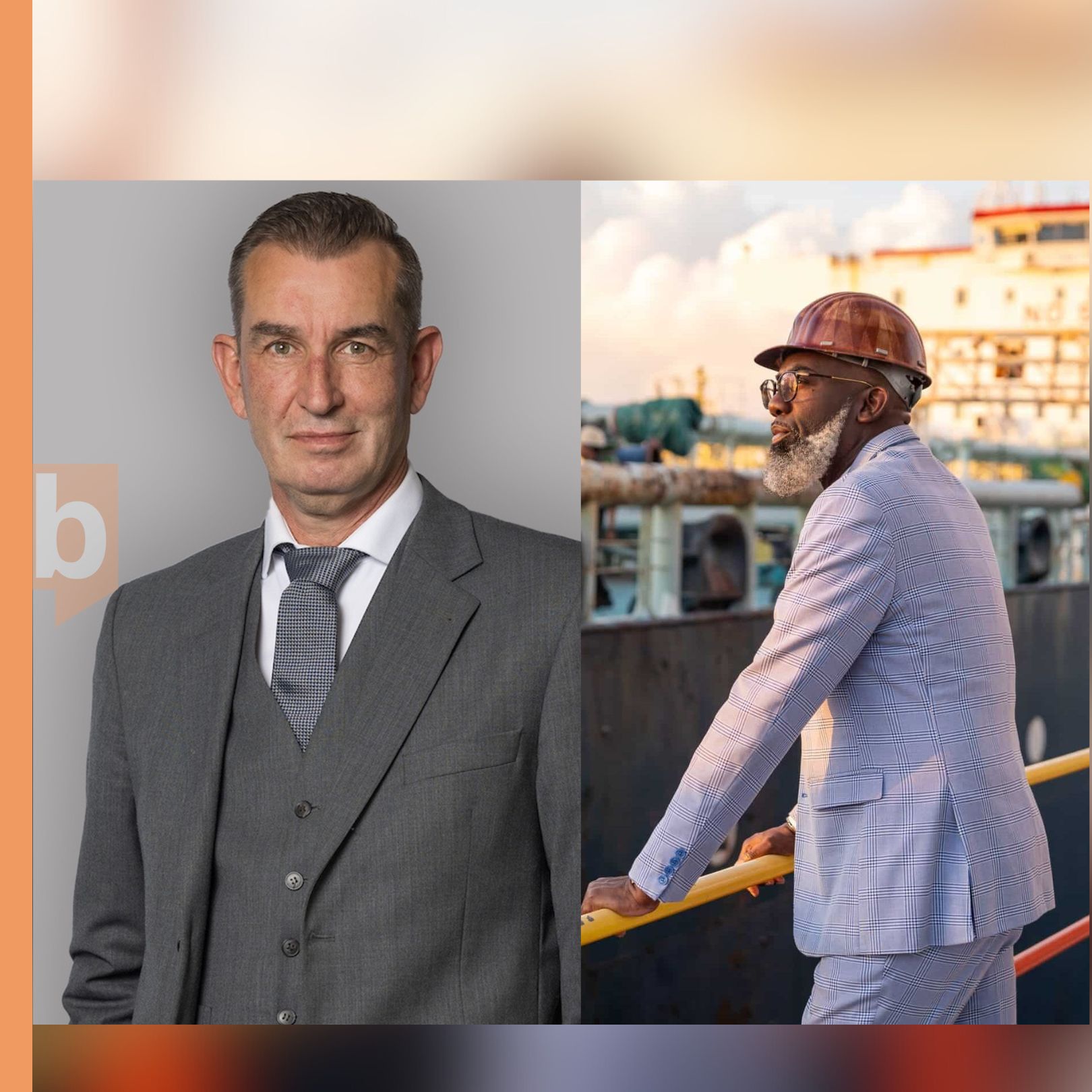
The position was outlined in written responses by State Secretary for Kingdom Relations Van Marum, provided on behalf of the Minister of Economic Affairs, in answer to parliamentary questions submitted by Member of Parliament Duijvencorde of the Forum for Democracy.
The questions followed reports that a tanker carrying Venezuelan oil had docked in Curaçao and that the oil was being temporarily stored on the island.
The State Secretary confirmed awareness of the reports, but emphasized that the activities are temporary in nature and take place within a fluid and geopolitically sensitive context. As a result, the Kingdom considers it premature to draw conclusions about Curaçao’s repositioning as a strategic hub for energy storage, logistics, or transit in the Caribbean.
While Curaçao’s geographic location and existing port and storage infrastructure may make the island relevant for regional energy logistics, the responses stress that economic matters fall within the autonomous powers of Curaçao. Structural economic choices regarding port use, energy logistics, and infrastructure development are therefore the responsibility of the country of Curaçao itself and lie outside the direct mandate of the Netherlands and the Kingdom.
The State Secretary noted that Curaçao’s oil and port infrastructure is already being used for storage and transit purposes, but said there are currently no indications that the island will see increased activity as a fossil fuel transit hub as a result of the latest developments.
Regarding potential opportunities for Dutch companies in port development, maritime services, energy logistics, storage technology, and engineering, the Kingdom again underscored that it is too early to speak of structural opportunities. Any concrete economic benefits would depend on further developments and on assessments made by Curaçao and market parties.
On cooperation between the governments of Curaçao and the Kingdom, the responses reiterated that primary responsibility for economic and industrial activity lies with Curaçao. The Kingdom’s role is to safeguard broader government-wide interests, such as international obligations, security, and compliance where applicable.
At the same time, the State Secretary pointed to recent efforts to strengthen cooperation in the field of energy logistics and strategic infrastructure. These include funding through SDE++ to reinforce and expand energy infrastructure, such as grid reinforcement and battery storage, aimed at increasing the reliability and flexibility of the energy system. Curaçao has also been granted access to the BMKB financing scheme to improve access to credit for small and medium-sized enterprises supporting broader economic development.
The Kingdom further stated that, although Curaçao has historically played a role in regional energy infrastructure, it is currently too early to speak of developing the island into a structural energy hub within the Kingdom, comparable to the Netherlands’ role in Northwest Europe. Such a development would require long-term investment, stable policy choices, and sustained economic activity, responsibilities that rest with the autonomous country of Curaçao.
At present, there are no concrete processes aimed at creating structural synergy with Dutch ports, logistics networks, or knowledge institutions. The Kingdom indicated that such cooperation could be considered in the future if stable, long-term economic activities emerge, with full respect for Curaçao’s autonomous powers.
The State Secretary concluded by affirming a willingness to continue discussions with Curaçao within existing Kingdom consultation structures. Any broader economic vision would need to take into account international and legal frameworks, including sanctions regimes where applicable, as well as security, resilience of strategic infrastructure, and environmental and health considerations.
Developments surrounding Venezuelan oil in the Caribbean were described as fluid and sensitive. The Kingdom remains in close contact with Curaçao regarding potential implications, while reiterating that it is ultimately up to Curaçao to decide whether and how to capitalize on any economic opportunities. Should the Netherlands be assigned an active role, Parliament will be informed accordingly.
Join Our Community Today
Subscribe to our mailing list to be the first to receive
breaking news, updates, and more.