

.jpg)


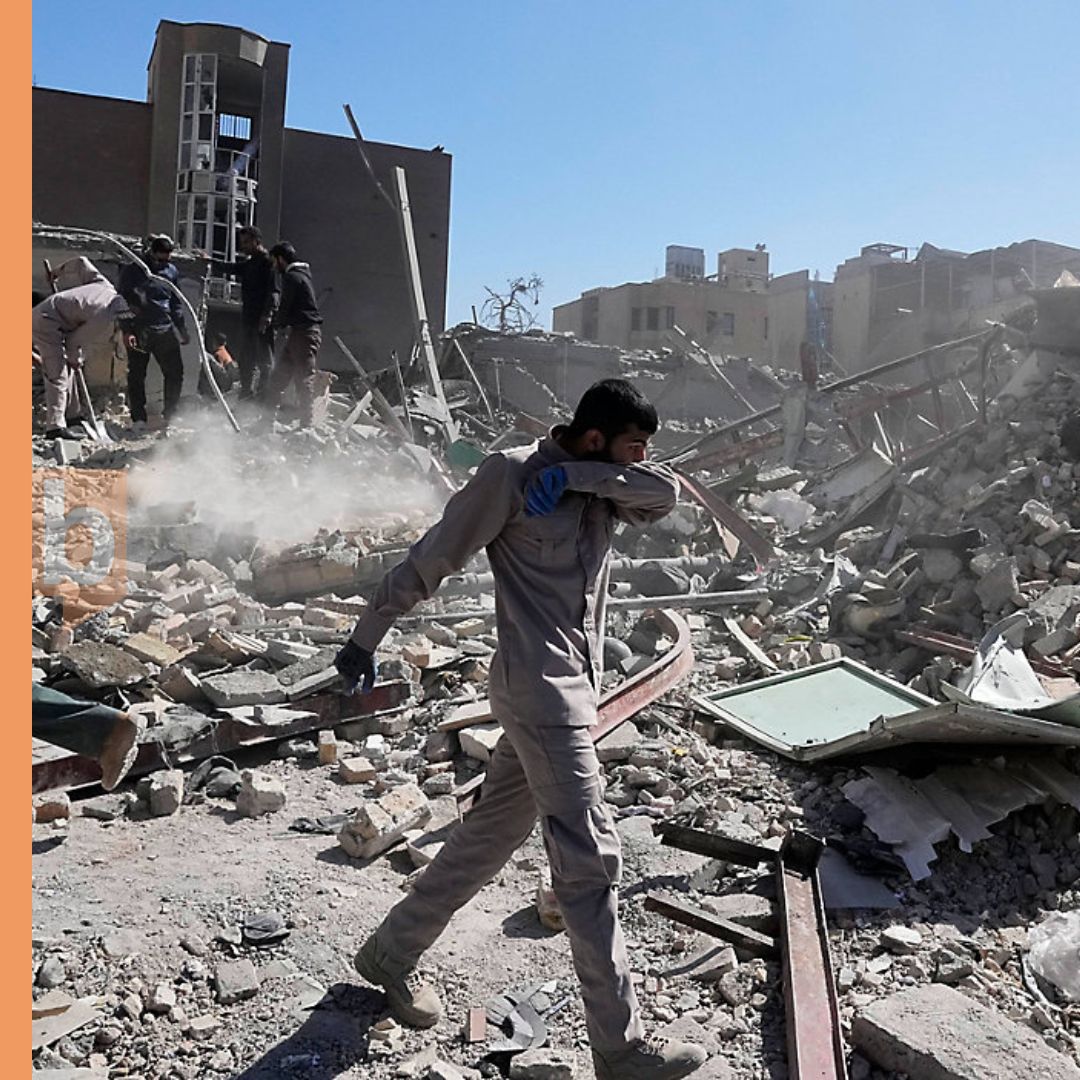
CARIBBEAN REGION--Caribbean governments are responding with caution, and in some cases with sharply different tones, following the recent U.S. and Israeli strikes on Iran, while the wider region also braces for possible fallout in travel, fuel, and broader tourism-related costs. Early responses show no single CARICOM line, with countries instead taking positions shaped by diplomacy, citizen safety, and economic concern.
Jamaica moved quickly on the consular front, advising its nationals to avoid all travel to the Middle East and urging Jamaicans already in the region to shelter in place if necessary. The move signaled that Kingston’s immediate priority is the safety of its citizens as tensions continue to rise.
Antigua and Barbuda issued one of the clearest diplomatic responses. In a public statement, Prime Minister Gaston Browne said his government is deeply concerned by the rapid and dangerous escalation in the Middle East and called for restraint and dialogue as the situation develops.
Regional reporting has also pointed to varying responses elsewhere in CARICOM, underscoring that the Caribbean is not speaking with one voice on the issue. Instead, the reaction so far reflects a mix of concern, caution, and country-specific positioning in the face of a fast-moving international crisis.
Beyond diplomacy, the conflict is already creating economic warning signs that matter for the Caribbean. Reuters reported that oil prices surged about 6% as the conflict widened, with supply risks intensifying across the Middle East. That matters directly to Caribbean economies, which are heavily exposed to changes in fuel prices through electricity generation, shipping, aviation, and the general cost of doing business.
The travel sector is also feeling early pressure. Barron’s reported that airline and cruise stocks fell after the escalation, largely because investors expect higher oil prices to drive up jet and marine fuel costs. Even without direct disruption to Caribbean routes, a prolonged rise in fuel prices could place upward pressure on airfare, cruise operating costs, and eventually the price of travel to and within the region.
For the Caribbean, this creates a mixed outlook. The region is not part of the conflict zone and may still be seen as a relatively stable leisure destination, but it remains vulnerable to the indirect effects of global instability. Higher fuel prices can ripple through tourism, freight, utilities, and consumer prices, placing added strain on both households and tourism-dependent economies.
At this stage, there is no clear evidence that Caribbean governments are publicly positioning the crisis as an opportunity to capture displaced travel demand. The more immediate reality is that regional leaders are watching the situation through the lenses of diplomacy, citizen safety, and economic resilience, particularly as the threat of higher global fuel costs grows.
Join Our Community Today
Subscribe to our mailing list to be the first to receive
breaking news, updates, and more.
