


GREAT BAY--St. Maarten's system for protecting victims of domestic abuse is failing to provide adequate safeguards for survivors and children, with serious shortcomings in police responses, government coordination, shelter availability, legal protection and the handling of reported abuse, according to a comprehensive investigation released by Ombudsman Gwendolien Mossel.
The November 2026 report, titled "Behind Closed Doors: Hidden at Home, Felt by All," paints a troubling picture of a system in which individuals seeking protection can encounter delays, insufficient assistance, poor communication and institutional barriers that leave them vulnerable even after reporting abuse.
The systemic investigation, launched in March 2025 following a series of complaints involving domestic violence and child abuse, examined the responsibilities and performance of the Ministries of Justice, Public Health, Social Development and Labor (VSA), and Education, Culture, Youth and Sport (ECYS).
Close to 50 interviews were conducted with survivors, government officials, police, schools, healthcare professionals, civil society organizations and other stakeholders. The investigation also included visits to institutions responsible for protecting and assisting vulnerable individuals.
The Ombudsman's central finding is that St. Maarten lacks a sufficiently coordinated and effective system for preventing domestic abuse, responding to reports and ensuring that survivors and children receive appropriate protection.
Although legislation exists to address various forms of violence, the report finds that important safeguards remain missing and that government institutions frequently operate independently, without clear procedures governing responsibility, referrals and follow-up.
A national domestic abuse policy was reportedly signed, but the Ombudsman found that its status remains unclear and that it has not been published. As a result, institutions continue to operate without a clearly established national approach.
Survivors report delays and inadequate protection
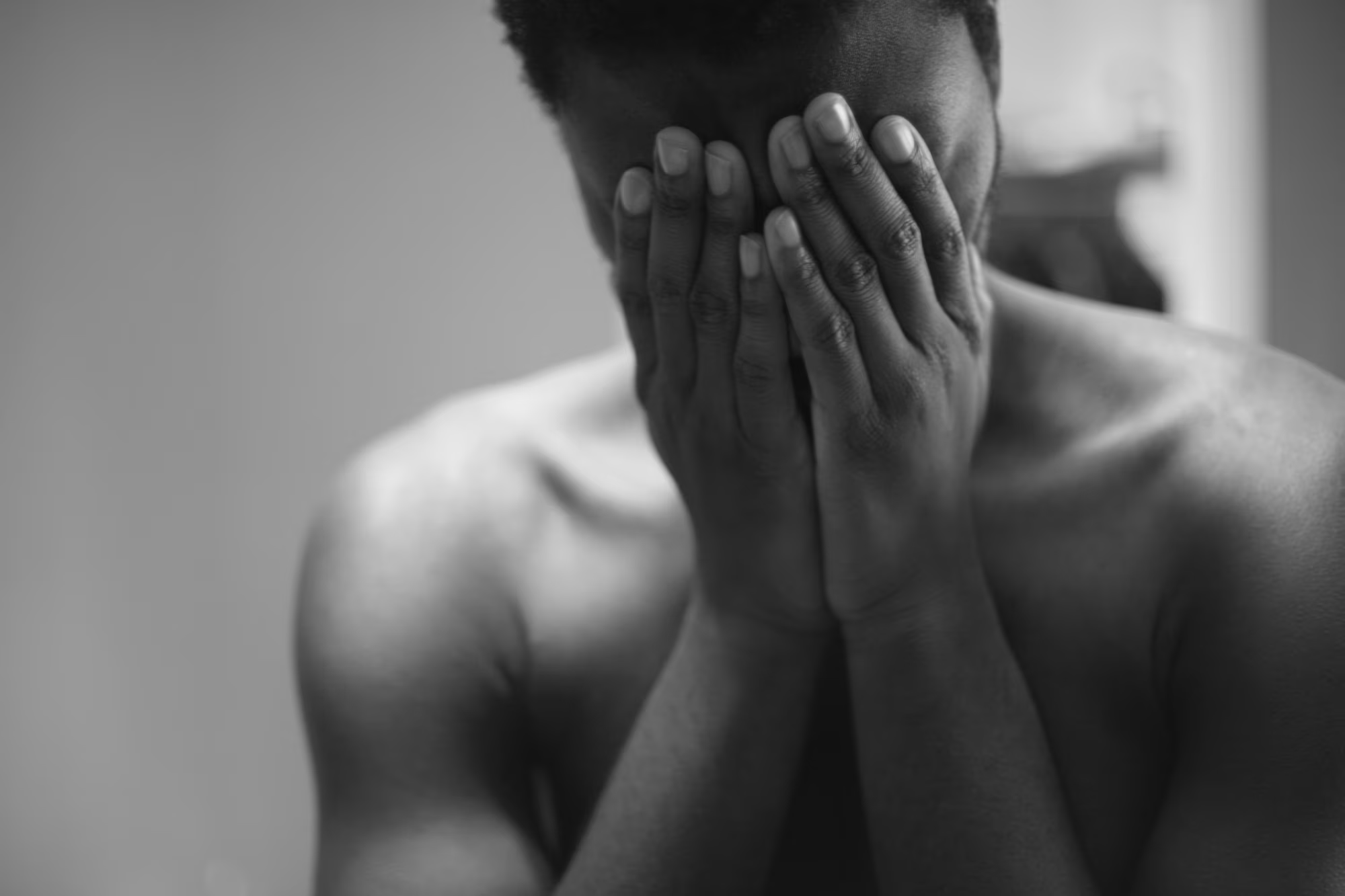
Among the most concerning findings are accounts from survivors who described serious difficulties obtaining timely assistance from law enforcement.
The report documents allegations of delayed emergency responses, dismissive treatment, breaches of confidentiality and situations in which individuals reporting threats or abuse were unable to obtain immediate intervention.
In one account, police reportedly arrived approximately an hour after neighbors reported a life-threatening assault. Another involved a woman threatened at knifepoint who said she could not obtain an emergency response.
The investigation also records an account involving a parent who reported witnessing the sexual abuse of a child but was allegedly informed that no officers were available and that the matter should be reported at the police station the following morning.
Other survivors described situations in which alleged abusers continued threatening or harassing them after police involvement, including cases involving no-contact conditions.
These accounts, which formed part of the Ombudsman's broader examination of institutional practices, raise serious concerns about the ability of the existing system to provide timely and reliable protection.
The report also emphasizes that domestic abuse extends beyond physical violence. Psychological abuse, intimidation, financial control, isolation and threatening behavior can cause significant harm, but institutions do not consistently recognize these forms of abuse when assessing risks.
Children particularly vulnerable
The Ombudsman identifies significant weaknesses in the protection of children exposed to domestic abuse, including those who witness violence between adults.
Schools and care professionals reported that children experiencing abuse or difficult home environments may display behavioral problems, declining academic performance, withdrawal, aggression or emotional distress. However, these warning signs are not always recognized as possible indicators of abuse.
The investigation found inconsistencies in reporting suspected child abuse, inadequate communication between institutions and insufficient follow-up after concerns are raised.
Particular attention was given to the Court of Guardianship, with the report raising concerns about the lack of feedback provided to institutions that report suspected abuse.
The Ombudsman also found that the Child Safety Code, intended to guide professionals in identifying and responding to suspected child abuse, has not been formally established by law.
Children seeking psychological assistance can face another serious obstacle when parental consent is required, particularly when the parent whose consent is needed is involved in the alleged abuse.
The investigation additionally identifies shortcomings in foster care, residential facilities and support arrangements for vulnerable young people, including those leaving institutional care or detention.

Shelter shortages and financial barriers
The report highlights the difficulties survivors face when attempting to leave abusive relationships, particularly when they lack independent income, affordable housing or secure immigration status.
Safe Haven, one of the country's principal shelter organizations, has experienced reduced capacity following funding cuts, while a government-provided transitional shelter has closed.
The Ombudsman also questions admission requirements that can prevent survivors from immediately accessing shelter without first obtaining a police or medical report.
Financial dependence, limited housing options, difficulties accessing legal representation and concerns about residence permits can further complicate efforts to escape abusive relationships.
In some cases, survivors remain connected to abusive former partners through custody and visitation arrangements, creating additional challenges for their safety and that of their children.
The report emphasizes that effective protection must extend beyond responding to individual incidents and include practical assistance that allows survivors to rebuild their lives independently.
Ombudsman calls for major reforms
To address the identified shortcomings, the Ombudsman has issued a series of recommendations aimed at establishing a government-wide response to domestic abuse.
Among the proposed measures is the adoption and publication of a comprehensive national domestic abuse policy, supported by clear responsibilities, funding and measurable objectives.
The Ombudsman also recommends introducing legislation that would allow authorities to temporarily remove an abusive individual from a home in emergency situations and enable persons at risk to seek civil protection orders through the courts.
Other recommendations include establishing a confidential, multilingual, 24-hour reporting and advice service, improving police emergency responses, strengthening cooperation between government agencies and expanding access to shelters and psychological care.
The report further calls for the establishment of a Children's Ombudsman, providing young people with an independent avenue to report concerns about their treatment and protection.
Additional proposals include improved supervision of foster homes and residential care facilities, stronger safeguards in custody and visitation matters, and better cooperation between authorities on both sides of the island.
The Ombudsman also advocates sustained public education on domestic abuse, healthy relationships, nonviolent parenting and the long-term effects of childhood trauma.
A recurring concern throughout the investigation is the absence of reliable, coordinated information on domestic abuse cases. The report recommends improving recordkeeping and public reporting so government can better understand the problem and measure the effectiveness of its interventions.
Justice Minister did not respond to preliminary findings
The report also reveals that while the Ministers of VSA and ECYS submitted written responses to the Ombudsman's preliminary findings within the prescribed period, no response was received from the Minister of Justice.
The preliminary findings were submitted to the three ministries on October 30, 2026, with a response deadline of November 16.
The Ombudsman incorporated relevant information from the responses received before finalizing the investigation.
Under the National Ordinance Ombudsman, the responsible ministers are required to inform the Ombudsman whether and how the recommendations have been addressed. Any decision to reject or modify a recommendation must be accompanied by an explanation.
A system that must change
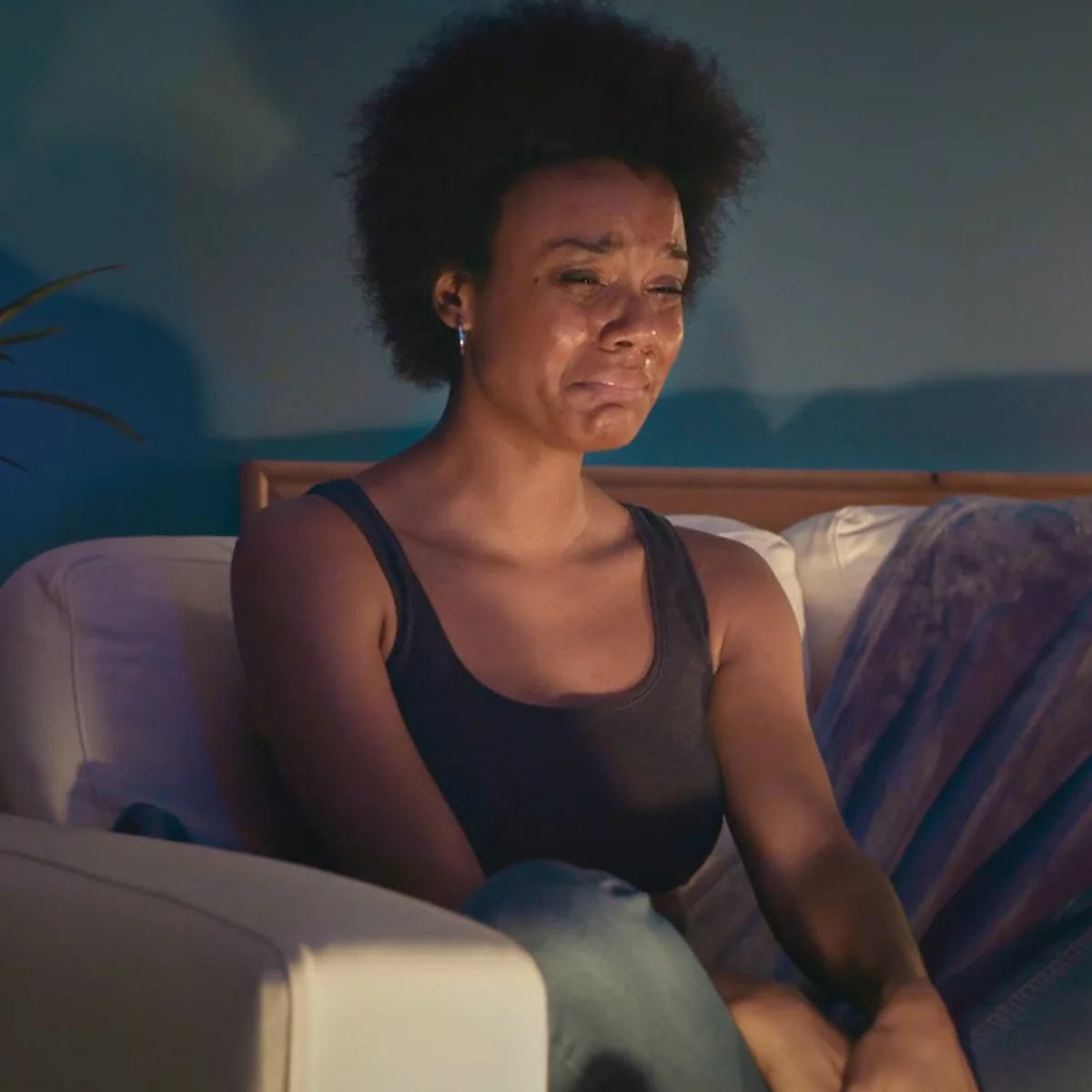
Despite the serious shortcomings identified, the Ombudsman acknowledges the dedication of professionals working in law enforcement, education, healthcare, victim assistance and community organizations, many of whom continue providing essential services despite staffing shortages and limited funding.
The investigation concludes that the central problem is not a lack of individual commitment but the absence of a properly organized, supported and coordinated national system.
"Too much still depends on the efforts of individual professionals rather than on a system that can be relied upon to provide protection," the report states.
The Ombudsman stresses that domestic abuse is not simply a private family matter but a wider social problem affecting children, schools, workplaces and entire communities.
The investigation calls for greater accountability, stronger cooperation between government institutions and sustained investment in prevention and support services, warning that existing arrangements do not consistently meet the standards of proper government conduct.
The report closes its findings with a message that captures the urgency of the reforms being proposed:
"Domestic abuse happens behind closed doors. The response must not."
Join Our Community Today
Subscribe to our mailing list to be the first to receive
breaking news, updates, and more.