.jpg)


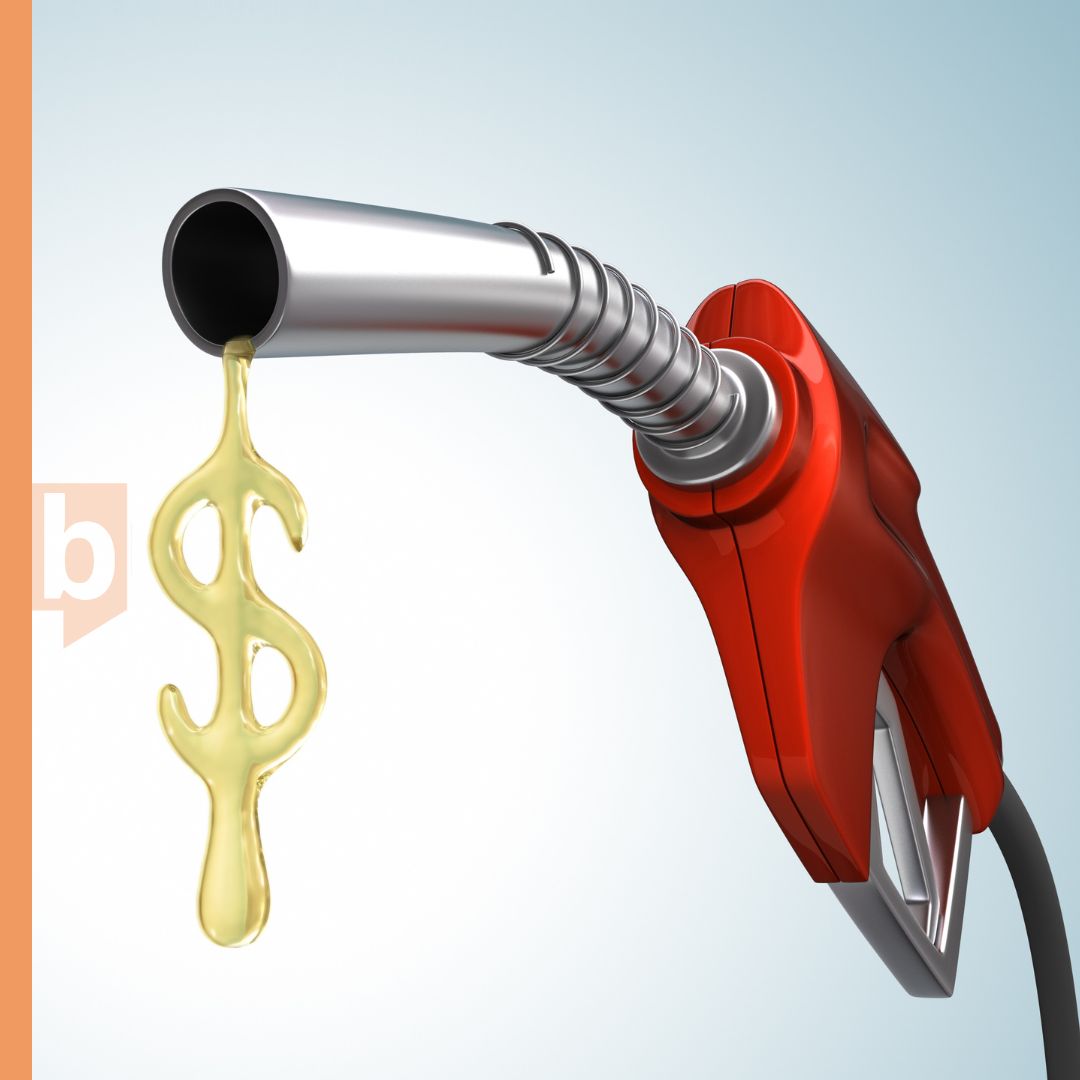
MIAMI--Oil prices are again moving toward the US$100-per-barrel level, creating renewed concern about electricity bills, transportation costs and inflation across Caribbean economies that remain heavily dependent on imported fuel.
Brent crude, the main international oil benchmark, closed Tuesday at approximately US$91.01 per barrel, while United States West Texas Intermediate settled near US$84.91. Both reached their highest levels in about five weeks as conflict in the Middle East increased fears of disruptions to major oil production and shipping routes.
The increase does not mean oil will automatically reach US$100, but the gap has narrowed considerably. Analysts have warned that a serious disruption affecting Saudi oil shipments through the Red Sea could push prices significantly higher, particularly if vessels are forced to take longer and more costly routes around Africa.
For the Caribbean, the concern goes well beyond the price paid at gasoline stations. Many electricity companies across the region use diesel, heavy fuel oil, propane or other imported petroleum products to generate power.
CARICOM countries imported approximately 87 percent of their oil in 2021, leaving the region highly exposed to sudden movements in international prices. This dependence has contributed to Caribbean electricity rates that are already above those in several larger economies.
When oil prices rise, utilities generally face higher costs to purchase and transport the fuel needed to operate their generators. Those increases may later be passed on to customers through fuel clauses, fuel surcharges or other adjustable components of electricity bills.
The effect is not always immediate. Utilities may have existing fuel supplies, purchasing contracts or tariff-review procedures that delay when the international price increase reaches consumers. However, if oil remains above US$90 or moves closer to US$100 for an extended period, the pressure on electricity rates is likely to grow.
The Caribbean Development Bank has noted that most of its borrowing member countries rely on imported petroleum products for electricity generation and other essential services. Small and isolated electricity systems also lack the economies of scale available to larger countries, contributing to some of the world’s highest power costs.
Join Our Community Today
Subscribe to our mailing list to be the first to receive
breaking news, updates, and more.