.jpg)


GREAT BAY--St. Maarten is being cited as one of the clearest examples within the Kingdom of the Netherlands of how extreme weather can force thousands of people from their homes, with a new joint climate and migration report warning that stronger adaptation, resilient housing and better disaster preparation will become increasingly important if the Caribbean islands are to remain safe and attractive places to live.
The 62-page report, “In beweging komen,” or “Getting Moving,” was published September 23 by the Netherlands’ Advisory Council on Migration and Scientific Climate Council. It examines how climate change can influence migration and displacement and what governments should begin doing to prepare.
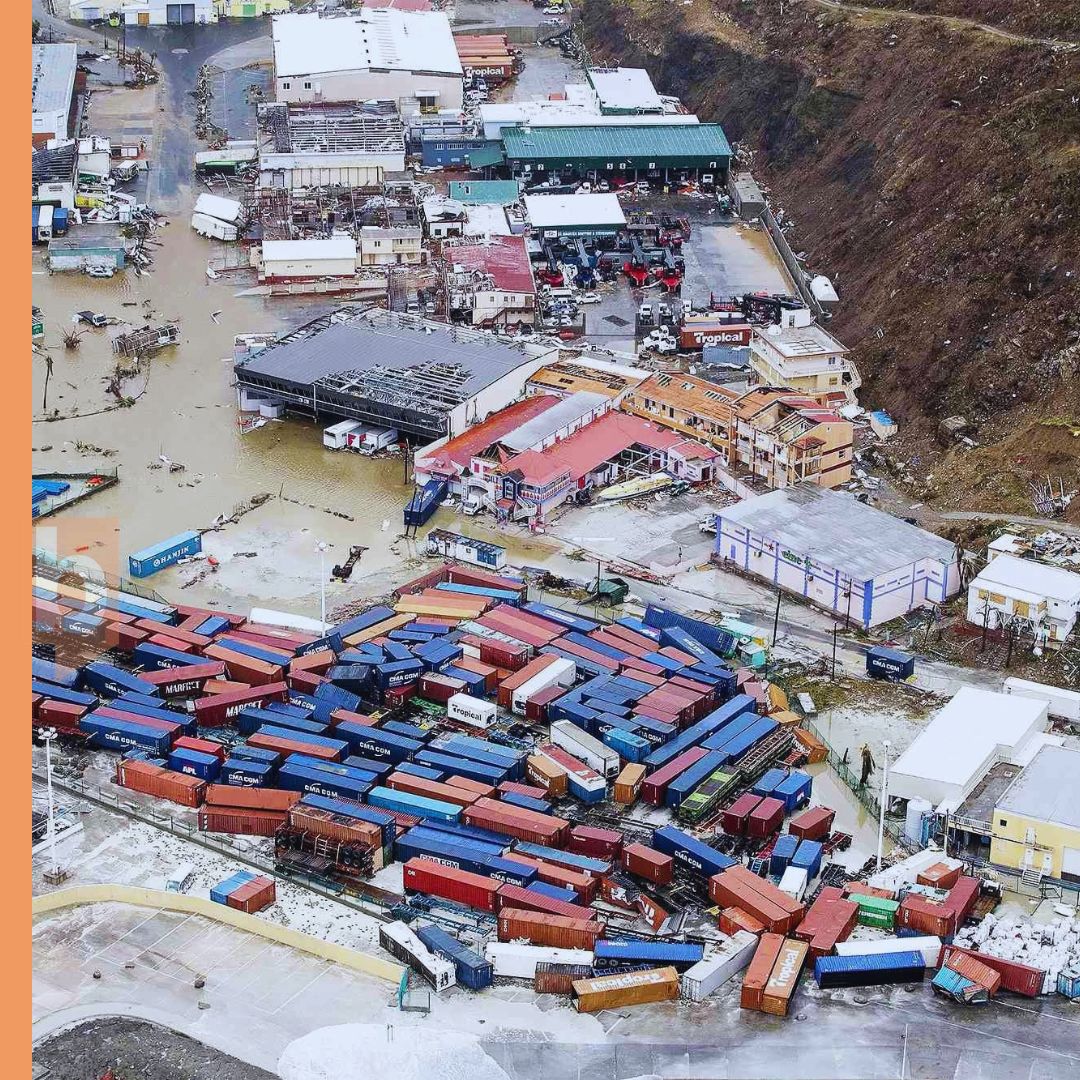
For St. Maarten, Hurricane Irma is a central example.
The report states that approximately 7,000 people on St. Maarten, more than 15 percent of the population at the time, were displaced following the September 2017 hurricane. Extensive damage to infrastructure temporarily isolated the island, disrupted routes for incoming relief supplies, severely affected communications and contributed to social unrest.
The councils say St. Maarten’s experience demonstrates that climate-related displacement is not only a future concern for distant countries. It has already occurred within the Kingdom.
The report identifies St. Maarten, Saba and St. Eustatius as particularly exposed because the Windward Islands are situated in the Atlantic hurricane belt. Climate risks affecting the Caribbean part of the Kingdom also include increasing heat, drought, sea-level rise, ocean acidification, coral and mangrove loss, coastal erosion and tropical storms and hurricanes that can become more powerful and bring heavier rainfall.
According to the report, Hurricane Irma was exceptionally severe, and research cited by the councils found that the storm produced more rainfall and a higher storm surge than would have occurred without the influence of climate change.
The councils are cautioning, however, against treating climate change as the sole reason people move. Employment, education, healthcare, family connections, housing, income and broader social and economic conditions also play major roles in decisions about whether someone stays or leaves.
Climate-related migration is therefore defined in the report as movement in which climate change is one contributing factor, rather than necessarily the only cause.
That distinction is particularly important for St. Maarten, where migration has long been influenced by employment opportunities, family relationships, education and economic conditions.
What concerns the councils is how increasing climate pressure could add another factor to those existing pressures.
They warn that without sufficient climate adaptation, living conditions in the Caribbean parts of the Kingdom could deteriorate significantly over the medium term, potentially increasing the desire of residents to relocate.
Whether islands such as St. Maarten remain attractive places to live will depend partly on investment in climate adaptation and the continued availability of basic necessities and services, including education, employment, healthcare and adequate housing.
The councils specifically call attention to the ability of homes and infrastructure to withstand extreme weather.
For St. Maarten, that warning comes less than a decade after Irma destroyed or damaged much of the country’s housing and infrastructure and resulted in a long recovery and reconstruction process.
The report also raises questions about what happened to residents after Irma.
Researchers say there has been very little detailed study of climate-related migration within the Caribbean part of the Kingdom. However, the report refers to accounts indicating that some St. Maarten residents who left following Hurricane Irma eventually settled permanently in the European Netherlands.
The councils stress that there is not enough research to determine the scale of that migration or to conclude that climate impacts alone caused those individuals to remain abroad.
That information gap is one of the issues the councils want addressed.
On the short term, they recommend that countries and territories across the Kingdom be jointly prepared for extreme weather, including the possibility of temporary displacement, while also working to prevent damage through climate adaptation.
Over the longer term, they want better research and monitoring of how climate change may influence migration within the Kingdom.
The councils say there is currently very little knowledge about those movements despite the increasing climate risks facing both the European and Caribbean parts of the Kingdom.
The report also suggests that policymakers should begin thinking beyond emergency response after a hurricane has already struck.
Climate adaptation can reduce the conditions that push people toward relocation, according to the councils. That can include stronger infrastructure, improved water management, more resilient housing and other measures that allow communities to remain safely where they are.
The councils note that most people affected by climate change generally prefer to adapt and remain in their communities when that is possible. Migration becomes more likely as climate impacts become increasingly difficult to manage or when communities lack the financial, institutional and infrastructural resources required to adapt.
The St. Maarten example therefore carries a wider lesson for the Kingdom.
Irma demonstrated how quickly a major weather event can displace a substantial share of the population, interrupt essential infrastructure and force residents to decide whether to rebuild locally, relocate temporarily or leave altogether.
The councils say governments should begin preparing for those possibilities before the next major disaster rather than attempting to develop migration and displacement responses only after people have already lost their homes.
The joint report was presented Wednesday to Dutch Special Envoy for Migration Peter Schuurman. The Advisory Council on Migration and Scientific Climate Council say the objective is to encourage policymakers to begin developing knowledge, planning for climate risks and considering how governments should respond if climate change increasingly influences where people can safely live.
Join Our Community Today
Subscribe to our mailing list to be the first to receive
breaking news, updates, and more.