

.jpg)


THE NETHERLANDS--The Netherlands is moving toward allowing water cremation, also known as alkaline hydrolysis or resomation, as a legal alternative to traditional burial and flame cremation under a proposed overhaul of the country’s funeral legislation.
The planned change forms part of a new law intended to replace the existing Burial and Cremation Act. The proposal, known as the Destination of the Bodies of the Deceased Act, has been submitted for review and would still have to complete the Dutch legislative process before water cremation becomes legal.
Under the proposed system, families would eventually have another option for handling the remains of deceased relatives. Water cremation uses a combination of water, heat and an alkaline solution to accelerate the natural process by which a body breaks down.
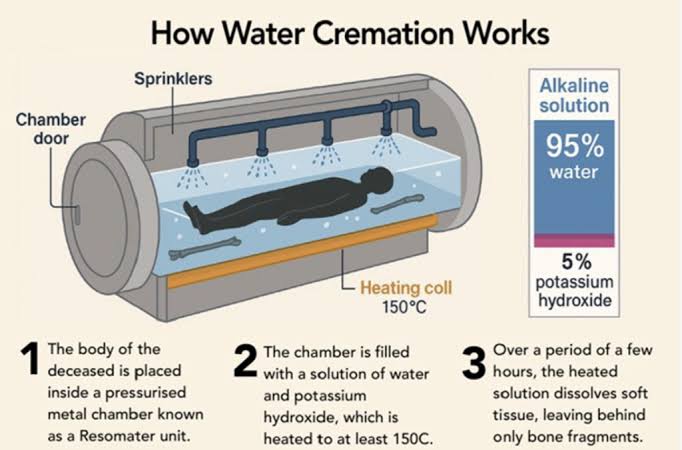
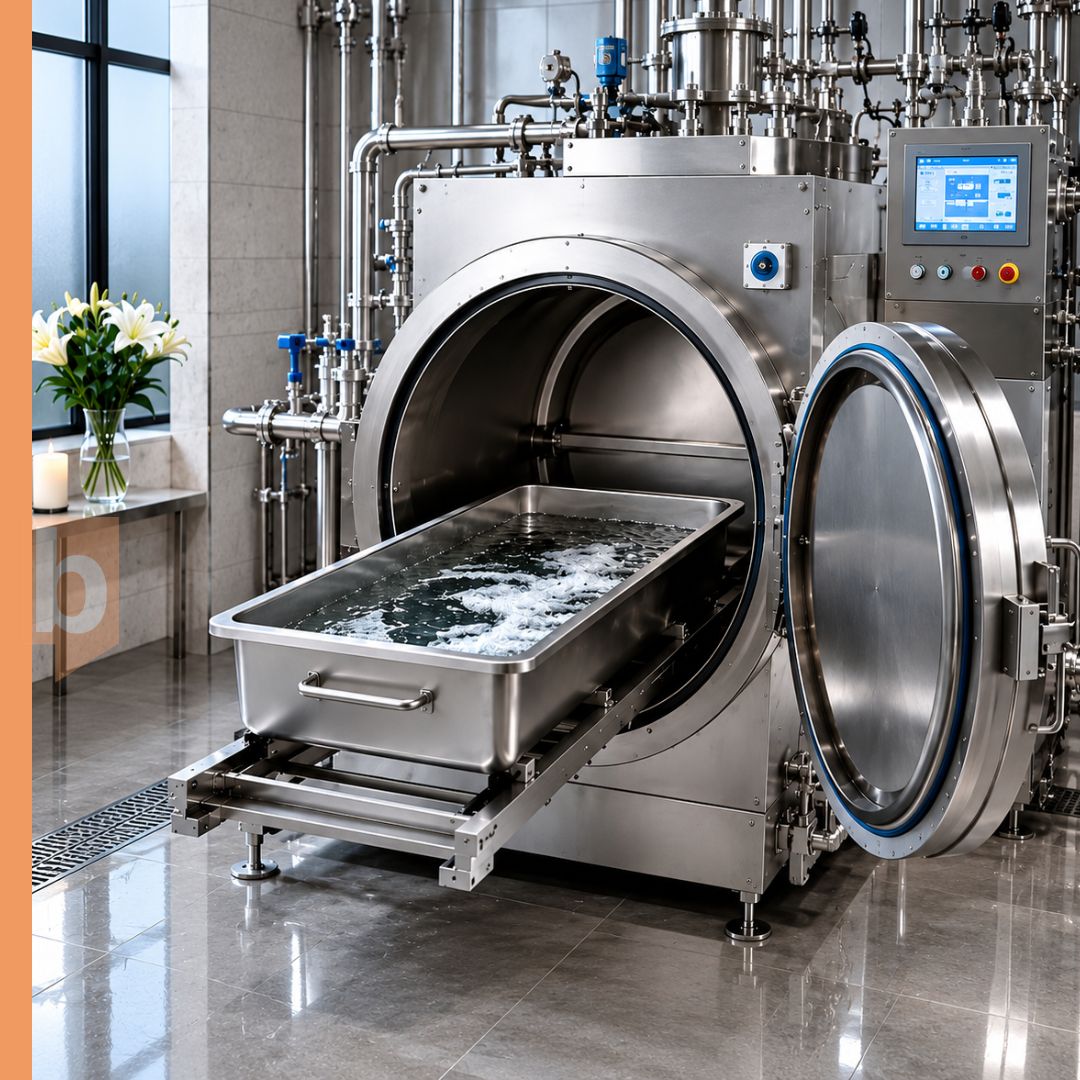
During the process, the body is placed inside a sealed stainless-steel chamber that is filled primarily with water, together with potassium hydroxide. The mixture is heated under pressure for several hours, breaking down the body’s soft tissue and leaving the bones behind.
The remaining bones are dried and processed into a fine powder, which can then be placed in an urn and returned to the family in a manner similar to ashes following conventional cremation.
Support for the method has been driven in part by its environmental characteristics. Water cremation requires substantially less energy than conventional flame cremation and produces fewer greenhouse gas emissions. Metal implants and other materials can also remain intact during the process, allowing them to be recovered afterward.
The Dutch Health Council first assessed alkaline hydrolysis in 2020 and concluded that the method met its criteria for consideration as a new form of handling human remains. Those criteria included safety, dignity and sustainability.
The issue was reviewed again in 2025 when the Health Council considered both alkaline hydrolysis and human composting. The Council maintained its earlier position on alkaline hydrolysis, finding no reason to change its previous assessment.
Human composting, however, did not receive the same recommendation. The Health Council concluded that there was still insufficient information regarding its safety and sustainability to recommend allowing the practice in the Netherlands at this stage.
The proposed legislation therefore represents a significant change in the range of funeral options that could become available in the Netherlands. Current rules primarily provide for burial, cremation or the donation of a deceased person’s body for scientific purposes.
Water cremation is not yet a legal funeral method in the Netherlands. The legislative proposal must still pass through the required review and parliamentary stages before the new method can officially be introduced.
If approved, its introduction would place the Netherlands among jurisdictions that have expanded funeral options beyond conventional burial and cremation as governments and the funeral industry consider new approaches to sustainability, environmental impact and personal choice.
Join Our Community Today
Subscribe to our mailing list to be the first to receive
breaking news, updates, and more.
