

.jpg)


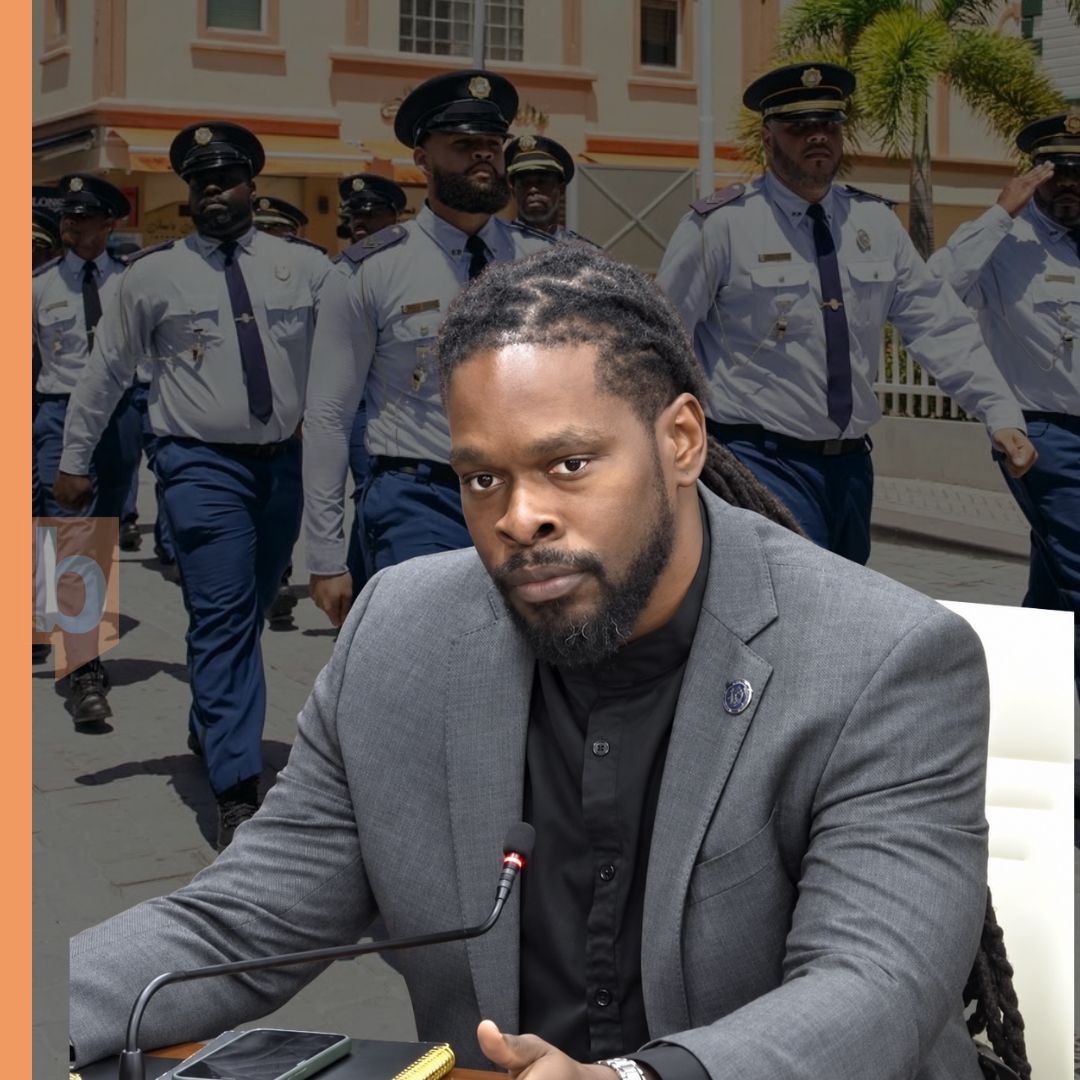
GREAT BAY--Member of Parliament Darryl York is urging Government to examine whether the tax treatment of police overtime can be adjusted so officers working additional hours because of chronic understaffing are not left with significantly less of that compensation after taxes.
York raised the issue during Parliament's deliberations on the draft 2027 national budget, arguing that overtime has effectively become part of normal operations for many police officers because the force does not have enough personnel to cover all required shifts.
His concern is that officers are being asked to work substantial additional hours to compensate for vacancies, but those same extra earnings can affect their annual taxable income. York questioned whether Government could explore a system that makes overtime more worthwhile for officers rather than leaving them feeling that a large part of the additional compensation is being lost through taxation.
York asked whether police overtime is paid together with an officer's regular salary or separately and whether there is any lawful way for Government to structure overtime compensation differently. He acknowledged that there may be limits under the existing tax system, but pressed the Minister to explain what options are available rather than accepting the present situation as fixed.
He said he understood, from information provided to him, that the tax treatment of overtime is determined on the basis of an officer's total annual earnings. York asked Justice Minister Nathalie Tackling to clarify whether that understanding is correct and, more importantly, whether she would be open to examining alternatives that could make overtime more financially beneficial to officers.
York's position is that the issue goes directly to the wider discussion about police officers being underpaid. With the force relying heavily on overtime because of vacancies, he argued that Government could potentially improve officers' take-home compensation by addressing how those additional earnings affect them financially.
His position comes against the background of police overtime expenditure repeatedly exceeding the amount originally budgeted.
Tackling told Parliament that KPSM had approximately Cg. 1.2 million budgeted for overtime in 2025, while actual expenditure reached approximately Cg. 2.7 million. For 2026, approximately Cg. 1.9 million had already been spent against an overtime allocation of about Cg. 1.2 million. The figures mean police overtime exceeded its 2025 allocation by approximately Cg. 1.5 million, while 2026 spending had already surpassed the full allocation by approximately Cg. 700,000.
Tackling linked the overtime pressure directly to staffing shortages throughout the Justice chain. She has previously warned that unfilled positions do not simply disappear operationally, because the work still has to be performed. Earlier this year she told Parliament that every unfilled Justice position can translate into a shift being covered through overtime or not being covered at all.
During the current budget deliberations, the Minister again explained that services required to operate around the clock cannot simply stop because there are vacancies. The practical result is that existing officers are required to work additional hours to maintain coverage. The staffing problem is therefore producing two related pressures: higher Government expenditure on overtime and a heavier workload for the officers who remain available.
MP York's concern, however, is what happens to officers in the meantime. He argued that if Government depends on existing officers to keep working additional hours because of a structural personnel shortage, then it should also examine whether those officers are receiving enough financial benefit from doing so.
His request does not amount to a finalized tax proposal, and no specific alternative rate was presented during the exchange. Instead, York asked the Minister to explore what can legally and financially be done to make overtime compensation more attractive and to clarify how the current tax treatment works.
Tackling has already indicated that additional overtime remains necessary while staffing shortages persist. York is now asking Government to address the other side of that equation, ensuring that officers who repeatedly work those extra hours see a meaningful benefit from doing so.
Join Our Community Today
Subscribe to our mailing list to be the first to receive
breaking news, updates, and more.
