.jpg)


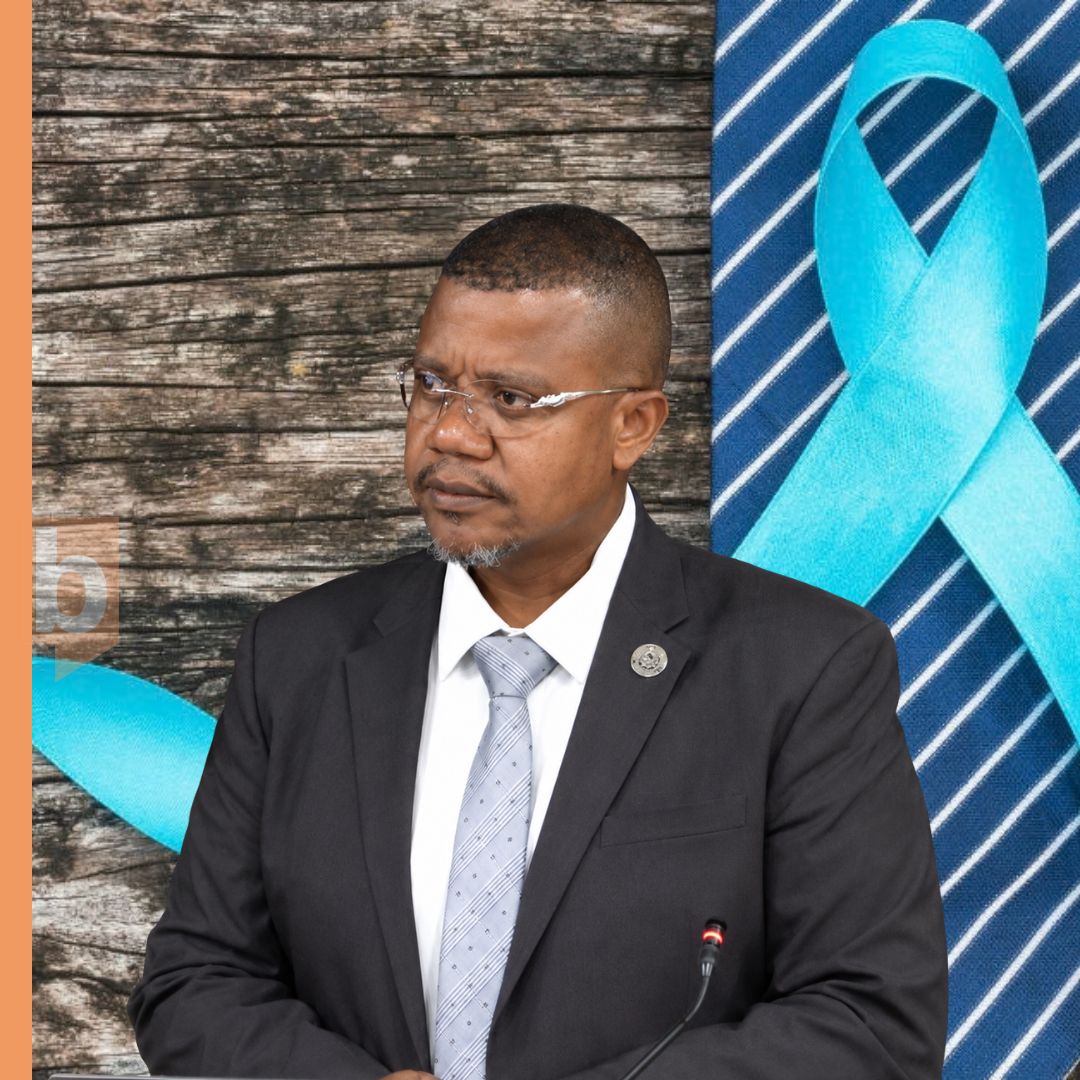
GREAT BAY--Member of Parliament Francisco A. Lacroes is calling on men across St. Maarten to use Prostate Cancer Awareness Month as a reason to take greater responsibility for their health, learn their family medical history and speak openly with their doctors about whether prostate cancer screening is appropriate for them.
Lacroes said the issue deserves particular attention in the Caribbean, where prostate cancer places a significant burden on men and their families. GLOBOCAN 2022 estimates from the International Agency for Research on Cancer identified prostate cancer as the most commonly diagnosed cancer among Caribbean men, with an estimated 22,271 new cases in 2022, accounting for approximately 35 percent of all new cancer cases among men in the region.
“These are not just numbers. These are our fathers, brothers, uncles, friends and colleagues,” MP Lacroes said. “This is affecting Caribbean families, including families right here in St. Maarten.”
Men of African ancestry face an increased risk of developing prostate cancer, making awareness and informed conversations about screening particularly important for Black and Caribbean men.
“Men need to understand the importance of early detection,” MP Lacroes said. “The earlier prostate cancer is found, the more opportunity doctors have to determine the appropriate treatment and care.”
Breaking the stigma
Lacroes said one of the obstacles preventing some men from discussing prostate health remains the fear and embarrassment associated with prostate examinations. He said misconceptions surrounding screening can sometimes result in men avoiding the subject altogether.
“Let’s be honest. One of the reasons many men avoid the conversation is because they immediately think about the traditional prostate examination. Some men are uncomfortable discussing it, some joke about it, and others avoid seeing a doctor altogether.”
He said men should understand that the first step does not have to be fear or embarrassment, but simply a conversation with a healthcare professional about individual risk and the screening options available.
“Medicine has advanced. Many men still think that checking for prostate cancer automatically means starting with a physical examination. What they should know is that the conversation with their doctor can include a PSA blood test.”
PSA, or prostate-specific antigen, can be measured through a blood test and used as one tool in assessing prostate health. An elevated PSA level does not automatically mean a man has prostate cancer and the test cannot diagnose cancer on its own. It can, however, help a doctor determine whether additional evaluation may be necessary.
“Too many men allow fear, embarrassment, pride, or misconceptions about masculinity to prevent them from taking care of their health,” Lacroes said. “Getting checked does not make you less of a man. Taking responsibility for your health is one of the most important things you can do for yourself and your family.”
He said prostate cancer awareness should focus on giving men enough information to make informed decisions rather than allowing stigma to determine whether they seek medical advice.
“The message is simple: know your risk, know your family history, and have the conversation with your doctor.”
Know your family history
Lacroes is also encouraging families to speak more openly about prostate cancer and other relevant medical history. Having a father, brother or other close relative who has had prostate cancer can increase a man’s risk, particularly when close relatives were diagnosed at a younger age.
“We need to normalize these conversations. Ask questions. Did your father have prostate cancer? Did your grandfather? What about your brothers or uncles? Sometimes information that could help protect your health is already within your own family.”
He stressed that these conversations should not begin only when men reach an age at which screening is commonly discussed.
“This is not a conversation that should only start when you get older. Younger men should know their family history so that when the time comes, they and their doctors can make informed decisions about when screening should begin.”
Men, have the conversation
Lacroes emphasized that prostate cancer screening is a personal healthcare decision and that men should discuss the potential benefits and limitations of screening with a qualified healthcare professional.
“I am not telling men to diagnose themselves. I am telling them to speak to their doctor.”
He said men can begin that conversation with one straightforward question.
“Ask your doctor one question: Based on my age, my family history, and my risk factors, should I have a PSA blood test? There is nothing embarrassing about asking that question.”
Lacroes also cautioned men against assuming that the absence of symptoms means there is no reason to discuss prostate health. Prostate cancer can develop without noticeable symptoms in its early stages, making an understanding of personal risk and appropriate medical guidance important.
Awareness must become action
For Lacroes, Prostate Cancer Awareness Month should ultimately result in more men taking practical steps to understand and protect their health rather than awareness ending with blue ribbons and social media posts.
“Awareness is important, but awareness must lead to action.”
He is encouraging men throughout St. Maarten to speak with their fathers, brothers, sons and friends about prostate health and to encourage one another to seek reliable medical information and discuss individual risk with their healthcare providers.
“The statistics tell us that Caribbean men are being hit hard by prostate cancer. We cannot change our ancestry, and we cannot change our family history, but we can change how seriously we take our health.”
Lacroes concluded with a direct appeal to men not to wait for illness before paying closer attention to their health.
“Do not wait until you are sick to start taking care of yourself. Know your risk. Know your family history. Speak to your doctor. Looking after your health does not make you less of a man. It makes you a responsible one. Your health matters not only to you, but also to the people who love you and depend on you.”
Join Our Community Today
Subscribe to our mailing list to be the first to receive
breaking news, updates, and more.