

.jpg)


GREAT BAY--Judicial and Institutional Services (J&IS) and the Court of Guardianship (CoG) are calling on parents and caregivers to reject physical punishment and adopt safer, more effective forms of discipline, as public discussion continues over corporal punishment and the legal and social responsibilities involved in protecting children.
The two institutions issued the joint message following a recent court case involving serious abuse of a minor. According to the institutions, the child had endured repeated beatings over a prolonged period and suffered serious injuries, including evidence of both old and recent wounds. They stressed that what occurred in that case was not discipline, but abuse.
No child, they said, should live in fear inside his or her own home or be afraid of the adult responsible for providing safety, care and protection. Where a child's safety is at risk, child-protection authorities may have to intervene, including by placing the child with responsible relatives, a foster family or, where necessary, in residential care.
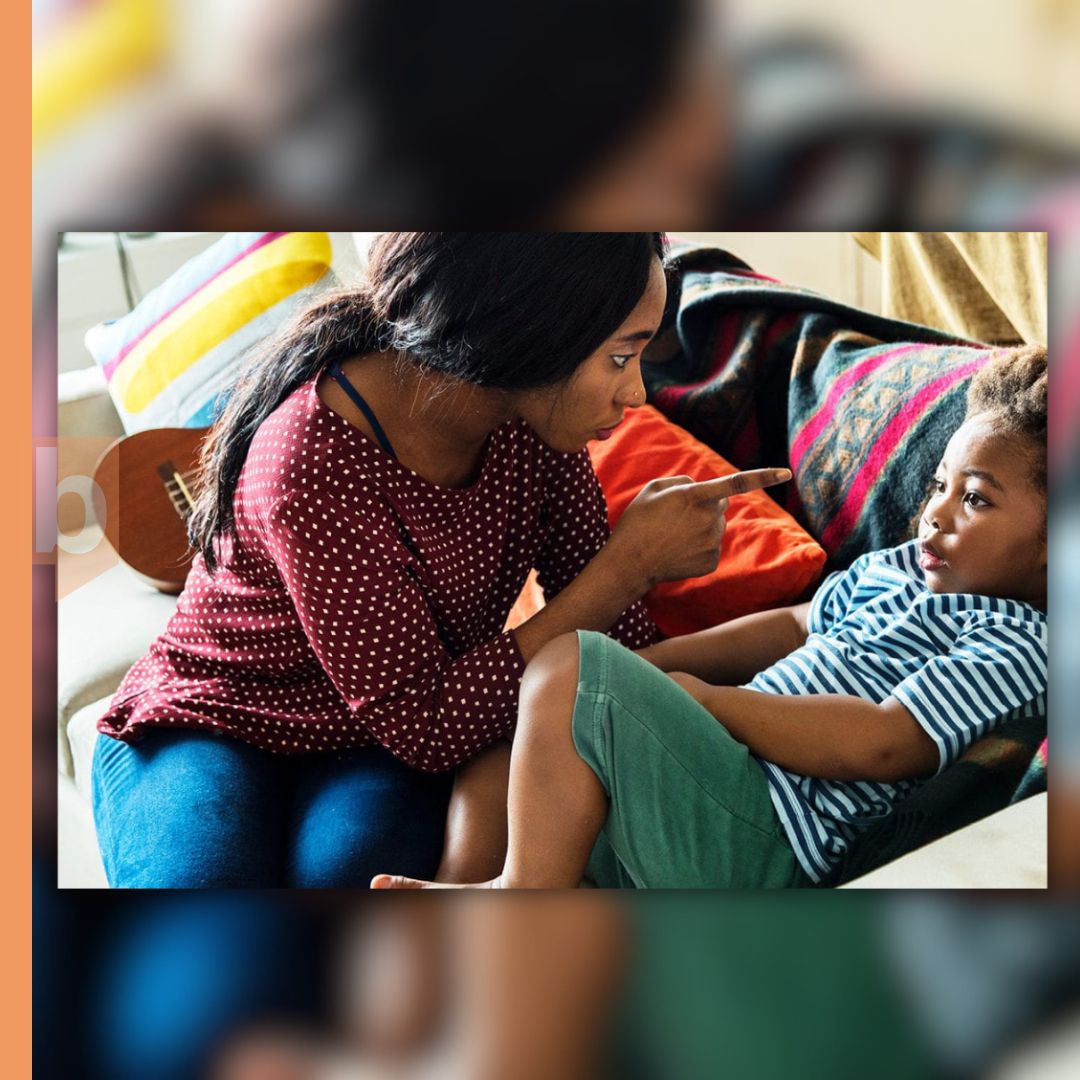
J&IS and the Court of Guardianship said physical punishment is often defended as discipline, but warned that hitting, beating, slapping or using objects such as belts, sticks or shoes can cause physical and emotional harm. Correcting a child while angry can be particularly dangerous because frustration can quickly lead to excessive force and injury.
The institutions acknowledged that many parents and caregivers in St. Maarten grew up in households where corporal punishment was considered normal. Some may believe that because they experienced physical punishment and became responsible adults, the same method should continue with the next generation.
However, J&IS and the Court of Guardianship said the positive development of those children was more likely connected to loving and involved caregivers who provided structure, guidance, boundaries and positive examples, rather than the physical punishment itself. A practice being familiar or widely accepted in the past, they stressed, does not necessarily mean it remains the safest or most effective way to guide children today.
The institutions said effective parenting does not require choosing between being firm and being caring. Children need clear expectations and consistent consequences, but they also need to feel safe, respected and loved.
Physical punishment may stop unwanted behavior in the moment, but it does not necessarily teach children how to manage emotions, communicate properly or solve problems. Repeated harsh punishment can also damage trust between children and their parents or caregivers and may leave lasting feelings of fear, anger and emotional hurt.
J&IS and the Court of Guardianship also warned that children learn from the behavior they see around them. When violence is repeatedly used to obtain obedience, children may begin to understand force as an acceptable way to resolve conflict.
They said research has linked repeated exposure to violence with increased risks of aggressive behavior, difficulties regulating emotions and later involvement in violent or offending behavior. The institutions stressed that society cannot expect children to learn peaceful conflict resolution while using violence against them as a method of correction.
J&IS and the Court of Guardianship encouraged parents and caregivers to use positive discipline techniques, including setting clear and age-appropriate rules, calmly giving instructions, establishing routines, applying logical and consistent consequences and recognizing positive behavior.
Parents are also encouraged to listen to their children, discuss inappropriate behavior and its consequences, and use appropriate rewards and consequences to teach responsibility. When anger or frustration becomes overwhelming, parents should take time before responding rather than reacting physically. Seeking assistance when a child's behavior becomes difficult to manage is also encouraged.
The institutions acknowledged that parenting can be stressful, particularly when parents are simultaneously dealing with employment, financial pressures and other responsibilities. Children also naturally test boundaries and make mistakes as they grow. What matters, they said, is how difficult moments are handled and whether the response helps the child learn rather than causes harm.
J&IS, together with several institutions in St. Maarten, offers the Positive Parenting Support Program, which provides parents and caregivers with practical tools to manage behavior, improve communication and strengthen family relationships. The program helps parents establish boundaries without violence and offers approaches for responding more effectively to the daily challenges involved in raising children.
Further information about the program and upcoming training opportunities will be shared with the community in the coming weeks. J&IS and the Court of Guardianship stressed that protecting children is a shared responsibility and called for St. Maarten to continue building a culture in which children are guided with care, corrected with respect and protected from violence.
Persons wishing to report suspected child abuse can contact the Court of Guardianship at +1 721 542-4110 or by email at report2cog@sintmaartengov.org. The Court of Guardianship can also be found on Instagram at @voogdijraadsxm and on Facebook at Court of Guardianship / Voogdijraad SXM.
For information about the Positive Parenting Support Program, contact Judicial and Institutional Services at +1 721 542-3449 or +1 721 585-0281, or by email at ppsp@sjis-sxm.org. Additional information is available through www.jis-sxm.org and J&IS social media platforms.
Issued jointly by Judicial and Institutional Services St. Maarten and the Court of Guardianship St. Maarten.
Join Our Community Today
Subscribe to our mailing list to be the first to receive
breaking news, updates, and more.
