

.jpg)


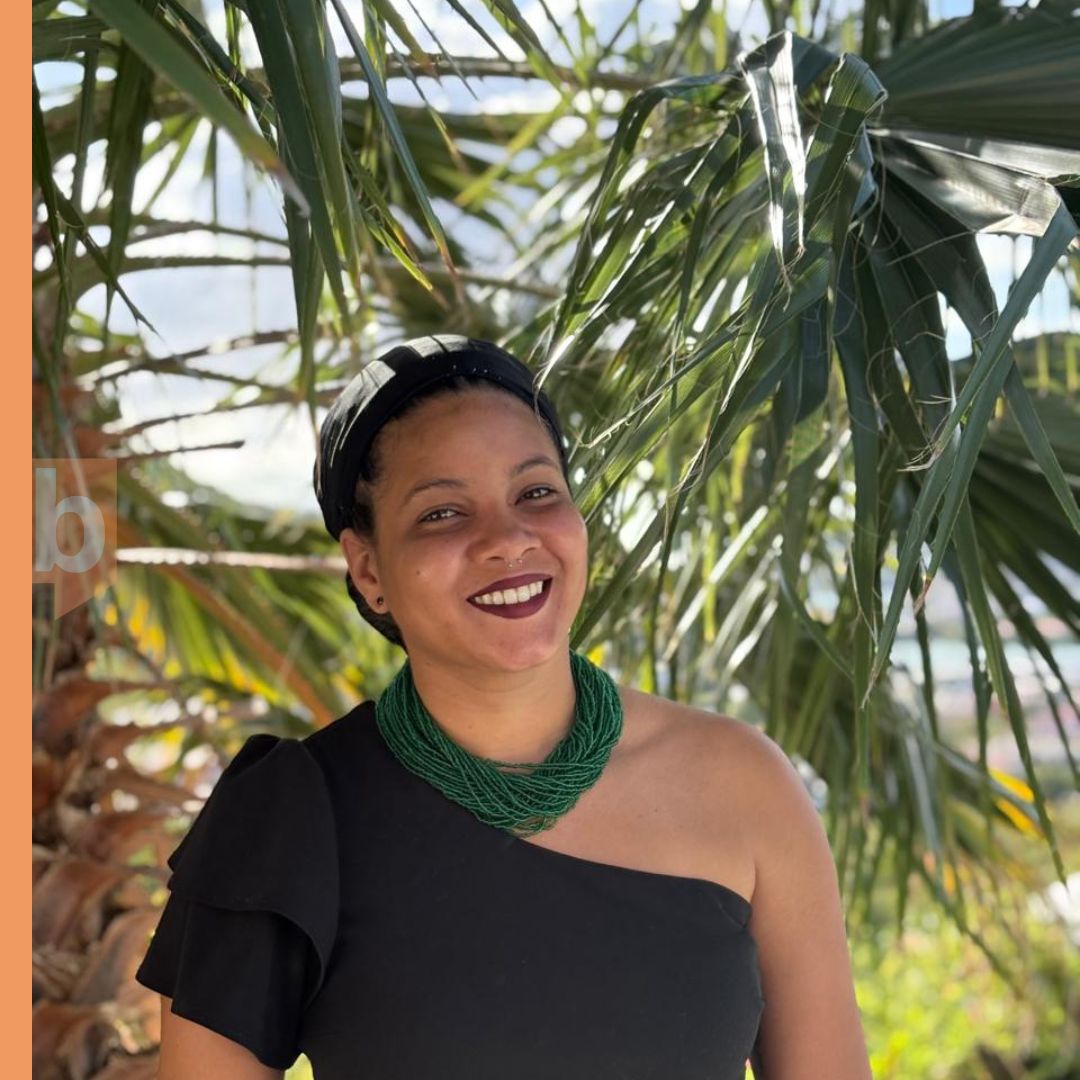
ROTTERDAM/ST. MAARTEN--Iris Hakkens (27), who describes herself as an “island girl” from St. Maarten, recently conducted research on Caribbean identity within the former Netherlands Antilles, focusing on how people across the islands imagine shared community and culture.
Hakkens’ central research question asks how people across the islands experience shared belonging, and whether that sense of community is still felt as a living reality in the Caribbean today. The work was developed as an internship topic and is rooted in her view that identity work is part of a broader decolonization process, where Caribbean people contribute more directly to telling their own stories and history.
To carry out the research, Hakkens approached anthropologist Francio Guadeloupe and traveled to Aruba and St. Maarten to gather perspectives on connection across the islands. Dozens of people participated, including trade unionists, musicians, and artists.
Hakkens reports that older generations expressed a stronger sense of shared identity across the islands, which she connects to past patterns of movement and opportunity. She noted that people from the Windward Islands previously had to go to Curaçao and Aruba for education, and work opportunities at refineries also created regular cross-island contact. She said that dynamic is less common today, meaning younger generations encounter each other less often.
Hakkens also pointed to cultural signals that reflect shifting orientations, including differences in musical focus, with Curaçao and Aruba described as more oriented toward Latin music, while St. Maarten is described as more French-Caribbean.
Personal background and motivation
Hakkens grew up on St. Maarten and says she continues to name the island first when asked where she is from, while also describing herself as “a child of the Kingdom of the Netherlands” due to her family ties across the region and Europe. She shared that her grandparents live in Aruba, her father is Dutch, and her mother was born in Aruba and also lived in Curaçao, which she says reflects a reality familiar to many Caribbean families.
She moved to Netherlands to study International Public Management, and later paused her bachelor’s studies to help rebuild St. Maarten after Hurricane Irma in 2017. What she expected to be a one- or two-year stay became seven years, a period she describes as fully committed to rebuilding efforts, driven by a desire to contribute directly rather than feel powerless from abroad.
Now back in Rotterdam, Hakkens aims to complete her bachelor’s degree and continue toward a master’s degree in Management of International Social Challenges at **Erasmus University Rotterdam. She said graduate study is part of her plan to work at a high level within the United Nations, while also acknowledging the personal adjustments of returning to student life, including missing her independence and income and finding many peers much younger.
Hakkens says she sees herself returning to St. Maarten and hopes to develop a park centered on sustainability and community spirit, including space for agriculture, culture, and art, alongside a restaurant that serves local food. She described that vision as a long-term goal, while her near-term plans include completing her studies, getting through the Dutch winter, and moving in with her sister in Rotterdam.
Hakkens can be reached via her social media profiles:
LinkedIn: https://www.linkedin.com/in/iris-h-95912b115/
Facebook: https://www.facebook.com/iris.hakkens
Join Our Community Today
Subscribe to our mailing list to be the first to receive
breaking news, updates, and more.
