

.jpg)


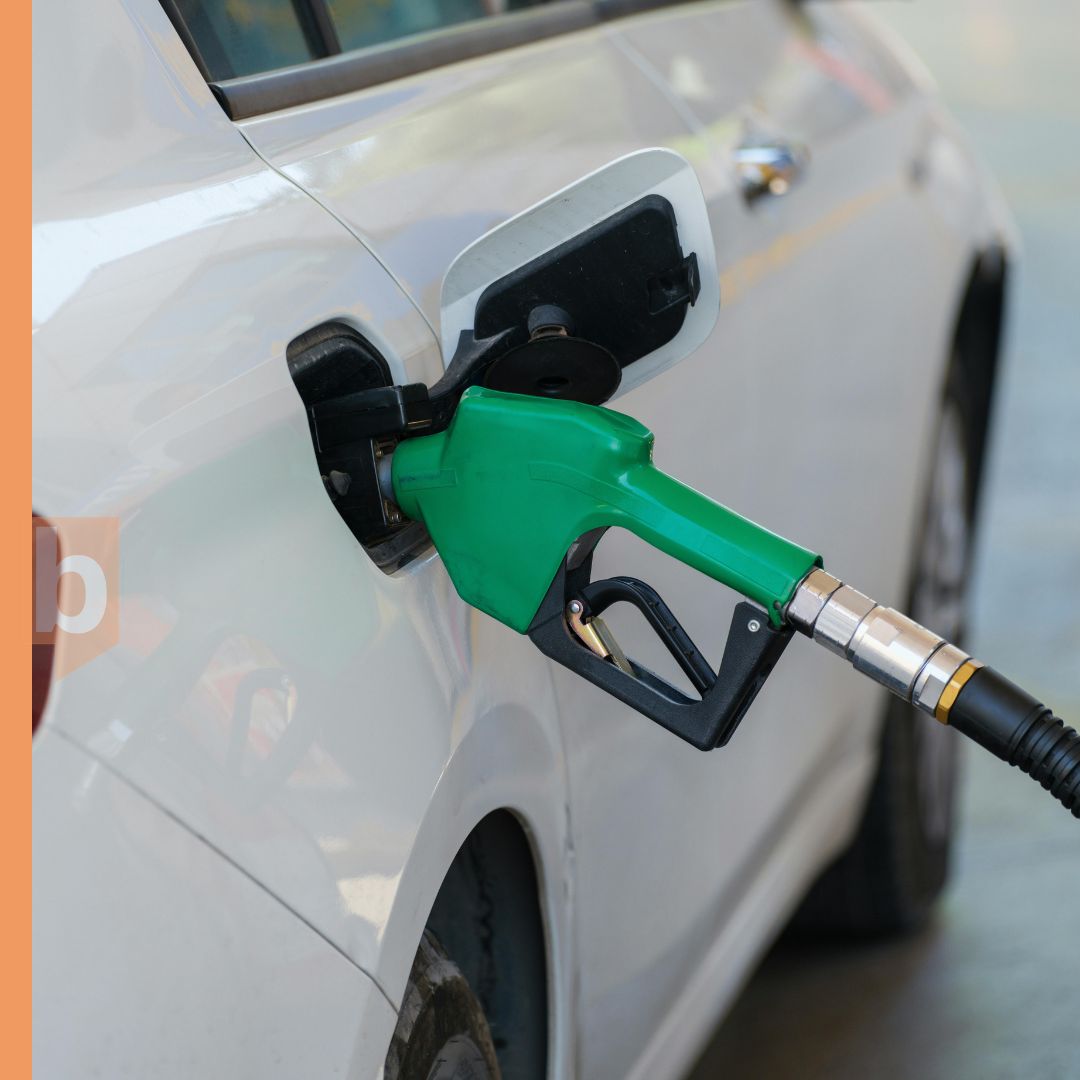
GREAT BAY--Motorists across the Dutch Caribbean are facing renewed pressure at the pump as international petroleum prices feed through to local fuel costs, with St. Maarten becoming the latest island to announce higher gasoline and diesel prices.
The Government of St. Maarten announced that effective Wednesday, September 30 at 6:00 a.m., the maximum consumer price of unleaded gasoline will increase from Cg 3.076 to Cg 3.102 per litre.
Diesel will record a much steeper increase, moving from Cg 2.905 to Cg 3.272 per litre.
Government said the adjustments were necessary because of developments in the international market, which resulted in higher purchasing costs for both gasoline and diesel. The prices were reviewed against international Platts postings before the new maximum consumer prices were established.
The St. Maarten increase comes as fuel prices across several Caribbean islands continue to reflect volatility in international energy markets.
Aruba has recorded gasoline increases during recent pricing periods, while Curaçao has also announced higher gasoline and diesel prices. Bonaire has experienced fluctuations during the year, with prices rising sharply during some periods before easing when international purchasing costs temporarily declined.
Saba and St. Eustatius have also felt the effects of higher fuel costs. Earlier official statistics showed substantial quarterly increases in gasoline prices on both islands, demonstrating how quickly changes in the international petroleum market can affect consumers in small island economies.
The impact is particularly important across the Dutch Caribbean because virtually all petroleum products must be imported. Higher fuel costs therefore extend beyond what motorists pay at the pump.
Transportation companies face higher operating expenses, businesses can encounter increased delivery and distribution costs, and households may ultimately feel the effects through higher prices for goods and services.
St. Maarten’s latest price buildup shows that the underlying petroleum purchase price represents only part of what motorists ultimately pay. Freight, excise tax, wholesale and retail margins, turnover tax and other charges are incorporated into the final regulated price.
The latest increase also highlights the vulnerability of the islands to developments far beyond the Caribbean. Changes in crude oil prices, refining costs, shipping expenses and international supply conditions can eventually work their way into local regulated prices.
For motorists, the immediate effect is straightforward: filling a vehicle becomes more expensive. For island economies already dealing with high transportation and living costs, continued increases in petroleum prices could add another layer of pressure heading into the final months of 2026.
Join Our Community Today
Subscribe to our mailing list to be the first to receive
breaking news, updates, and more.
