.jpg)


SURINAME--February 16, 2026: Regional integration initiatives, infrastructure upgrades, and the growth of sectors beyond tourism are strengthening the Caribbean’s economic outlook, even as the region faces global policy volatility and climate-related disruption, according to a report published by fDi Intelligence.
Continues below..

While tourism remains central to many Caribbean economies, the report notes that governments and investment agencies are increasingly focused on broadening the economic base through energy, agribusiness, logistics, and modern services, positioning these sectors as essential for resilience, investment attraction, and job creation.
The report points to continued greenfield foreign direct investment activity across the Caribbean Association of Investment Promotion Agencies (CAIPA) member territories, which include investment promotion organizations across 24 Caribbean jurisdictions.
According to the report’s analysis of fDi Markets data, greenfield FDI announcements across CAIPA countries totaled 56 projects in 2025, slightly below 61 projects in 2024, with 2024 described as the strongest year since a previous peak in 2013. The report notes that larger economies and resource-driven markets can generate spillover benefits across the region, supporting service industries such as logistics, business services, and supply chain support that also connect into tourism and domestic demand.
The report highlights long-standing obstacles to scale, including high energy costs, logistics constraints, and differences in language, governance, and market size. It points to recent policy steps designed to reduce friction and strengthen integration, including a free-movement agreement implemented in October 2025 by Barbados, Belize, Dominica, and Saint Vincent and the Grenadines, allowing citizens to reside and work across participating countries.
The report also reflects the view of regional leaders that deeper cooperation is necessary for competitiveness, particularly when attracting investors who want reliability, efficiency, and clearer pathways to operating across multiple markets.
fDi Intelligence notes that energy-sector developments, particularly offshore oil activity, have already created major shifts in regional demand for services and investment-linked activity. The report points to Guyana’s rapid expansion as a key factor that has drawn international investment and created opportunities for service providers, with additional growth expected in Suriname as offshore plans progress.
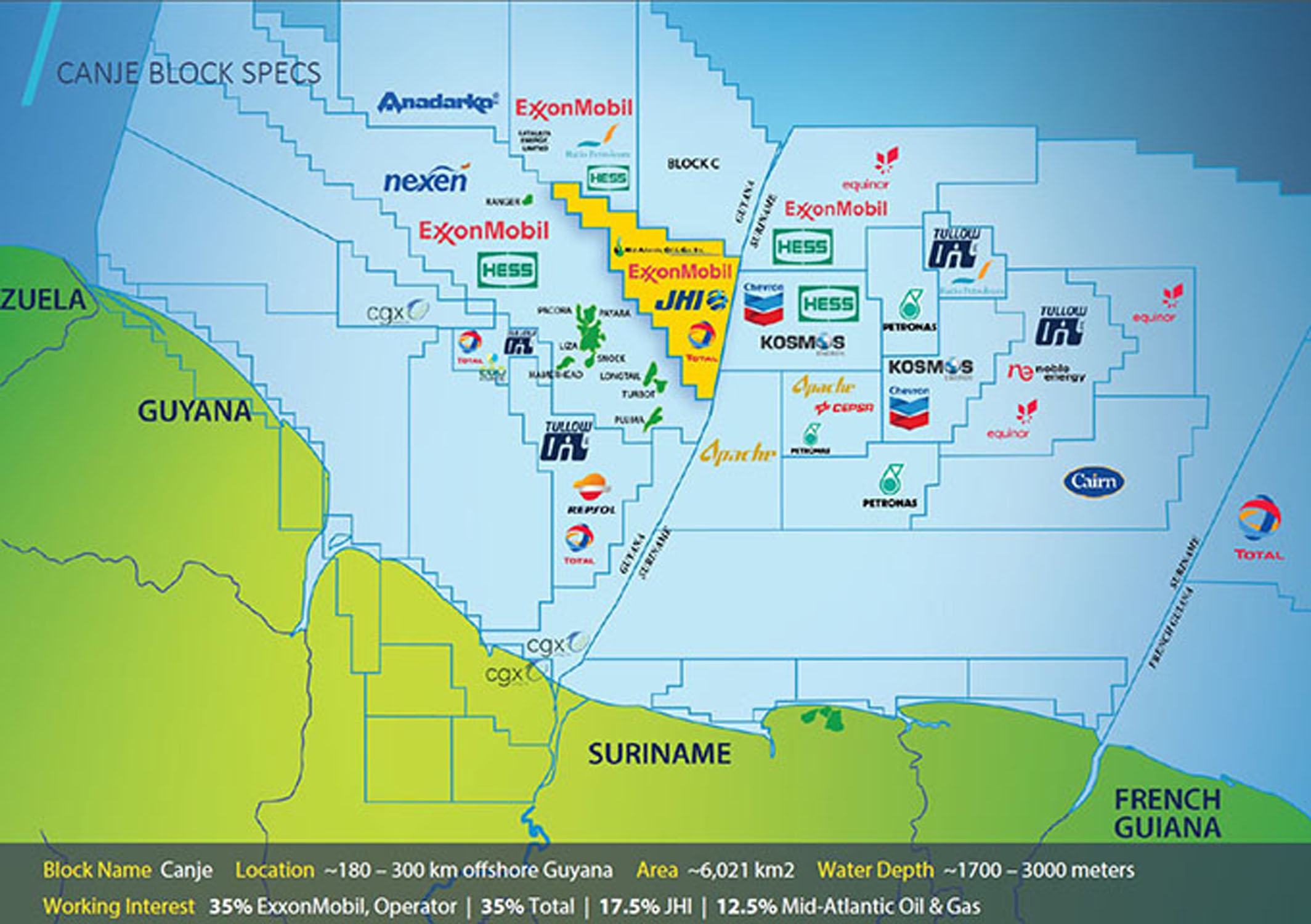
The report adds that established hydrocarbon producers such as Trinidad and Tobago remain active in exploring additional offshore opportunities, while the wider region seeks to balance conventional energy development with accelerated renewable energy goals.
The report identifies Caribbean food systems as a strategic opportunity for investment and policy coordination. It notes that the region’s food import bill is estimated at more than $6 billion, creating space for stronger local production, processing, storage, and distribution, especially where agribusiness can supply both residents and the tourism sector.
By improving value chains closer to home, the report suggests countries can reduce vulnerability to external price shocks and shipping disruption, while supporting local enterprise and employment.
The report underscores that climate exposure is reshaping investment priorities, pushing renewable energy and resilience projects higher up the regional agenda. Many Caribbean territories remain heavily dependent on imported fuel for electricity generation, and the report describes growing interest in expanding solar, wind, geothermal, and battery storage, both to lower costs and to strengthen energy security and reliability.
Tourism continues to anchor many Caribbean economies, and the report notes that the region recorded 30 million international tourist arrivals in 2025, matching the previous year and exceeding pre-pandemic levels. Within that context, diversification is presented as a resilience strategy, building complementary sectors that support tourism while reducing exposure to external shocks.
The report adds that global trade tensions and uncertainty are influencing investment decisions and pushing governments and businesses to diversify export markets and investment sources. This includes renewed focus on nearshoring opportunities, stronger logistics positioning, and broadening economic relationships beyond traditional partners.
Source: This press release is based on reporting published on February 16, 2026, by fDi Intelligence.
About FDI
fDi Intelligence is a specialist publication and data platform focused on foreign direct investment trends, location strategy, and cross-border investment. It operates within the Financial Times group’s portfolio of business intelligence products and services and is widely used by investment promotion agencies, governments, and corporate decision-makers.
Join Our Community Today
Subscribe to our mailing list to be the first to receive
breaking news, updates, and more.