.jpg)


THE HAGUE--The Dutch Government has presented a new vision for improving air and sea connections to St. Eustatius and Saba, acknowledging that high ticket prices, limited frequencies and unreliable transportation are restricting residents’ access to essential services and holding back economic development on both islands.
The Cabinet says accessibility should be treated both as a basic service and as a driver of quality of life and economic activity. It will now work with the island governments on options for a Public Service Obligation, or PSO, for air connections, together with the future structure of ferry services between St. Eustatius, Saba and St. Maarten.
The Government’s position follows concerns that the small size of the air travel market makes profitable operations difficult on some routes. Airline expenses, including aircraft, fuel, personnel, airport charges and air traffic services, must be spread across relatively few passengers, contributing to higher fares.
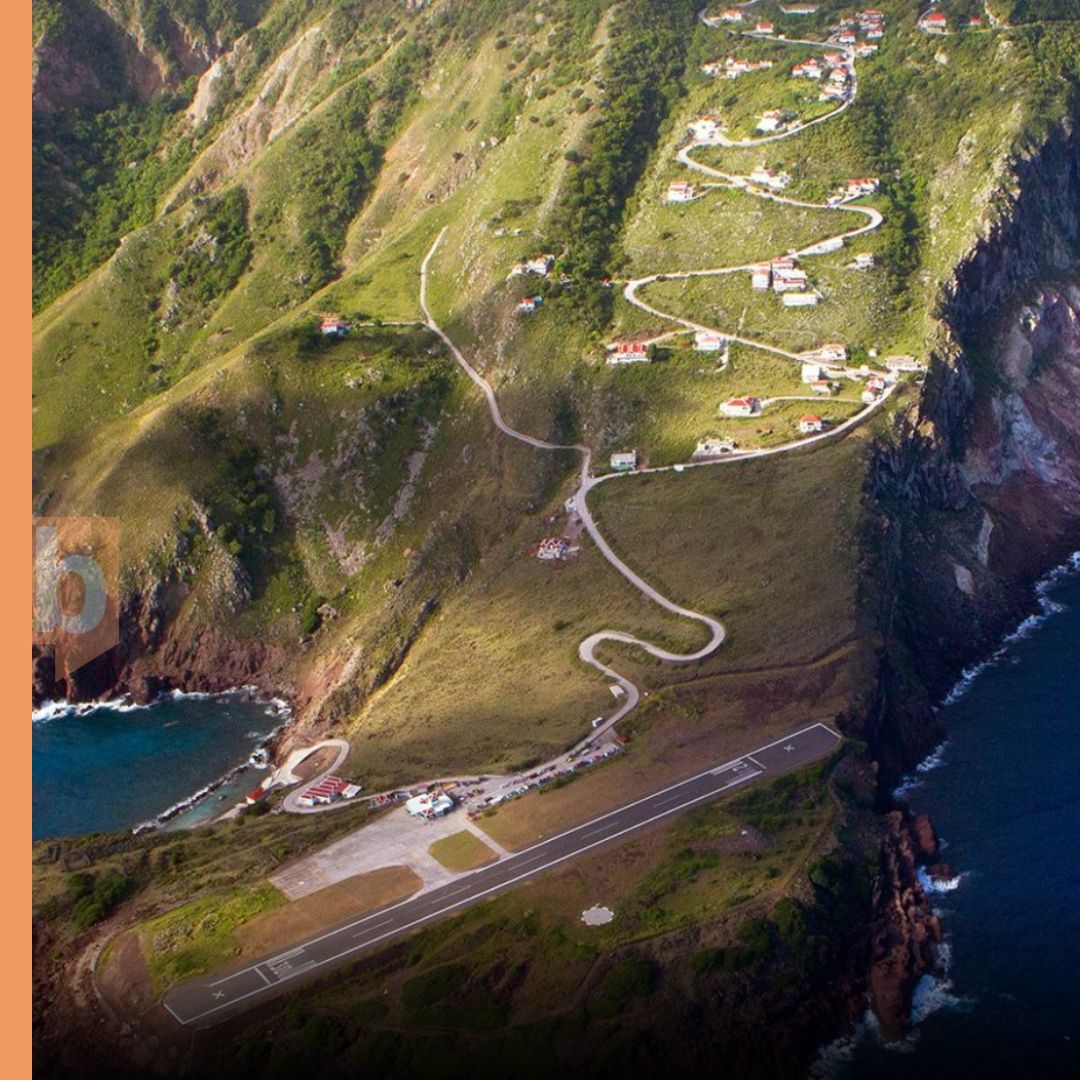
Weather also makes the connections vulnerable. Flights to St. Eustatius and Saba experience cancellations caused by showers, low cloud cover and strong crosswinds, while the hurricane season can interrupt travel for several days. The islands also have no alternative airports available when conditions prevent landings.
The ferry service faces similar financial challenges. Between 2022 and 2025, approximately 35,000 passengers per year used the ferry connection between St. Eustatius, Saba and St. Maarten. The Cabinet says the service is not economically viable without Government support because of relatively high operating costs, a limited passenger base and demanding maritime conditions.
Roundtrip flights around US$300
The Government cited research showing that a roundtrip airline ticket between St. Eustatius and St. Maarten, or between Saba and St. Maarten, costs approximately US$300.
The ferry costs approximately US$140 roundtrip. The sea connection is being subsidized at €1.5 million per year during 2026 and 2027.
The Cabinet said high transport prices create a serious barrier because residents do not have a low-cost alternative for leaving their islands.
Travel is often necessary for work, healthcare, education, shopping, banking, notarial services and maintaining family ties. Students studying on neighboring islands can also find it difficult to return home regularly because of the cost.
Missed flights or ferry services can create another financial burden because passengers may be forced to spend an additional night in St. Maarten.
The Government also acknowledged that expensive and unpredictable transportation limits tourism, business activity and earning potential on St. Eustatius and Saba.
Equal access becomes guiding principle
The Cabinet said the guiding principle for future policy will be equality of access.
Residents of St. Eustatius and Saba should be able to reach healthcare, education, family and essential services at costs and reliability levels that are proportionate to those available to residents of island communities in the European Netherlands, while taking the islands’ particular circumstances into account.
The Government does not view air and sea transportation as competing alternatives. Instead, both are considered necessary parts of the overall transportation system.
Weather conditions that prevent aircraft from operating may still allow ferries to sail, while long ocean swells that make ferry travel unsafe can occur when flights are still able to operate.
For that reason, the Cabinet believes a combination of both transportation methods is required to improve reliability and predictability.
St. Maarten remains central hub
St. Maarten is specifically identified as the central transportation hub for St. Eustatius and Saba.
As the Government develops its plans, Dutch officials will speak with St. Maarten authorities where necessary because of the country’s role in connecting the two islands with the wider region and international destinations.
The coming study will examine the design of both air and ferry connections, including service frequency, ticket prices, operational arrangements and funding.
For aviation, the Government will examine a PSO structure that could allow authorities to set service requirements on routes that may not otherwise be commercially attractive.
No structural financing secured yet
While the Government has now established its policy direction, long-term financing has not yet been secured.
For the ferry connection, €1.5 million in temporary funding remains available through 2027. There is currently no structural funding arrangement for either the air or sea connections beyond that period.
The financing question will be considered as the Government distributes funds from the coalition agreement for 2028 and subsequent years.
The Cabinet said improving accessibility requires choices across several areas of Government and close cooperation with the island authorities.
Its wider conclusion is that transportation is not simply about moving people between islands. Reliable and affordable connections are considered necessary for access to essential services, while also supporting tourism, employment, business development and the long-term viability of St. Eustatius and Saba.
Join Our Community Today
Subscribe to our mailing list to be the first to receive
breaking news, updates, and more.