

.jpg)


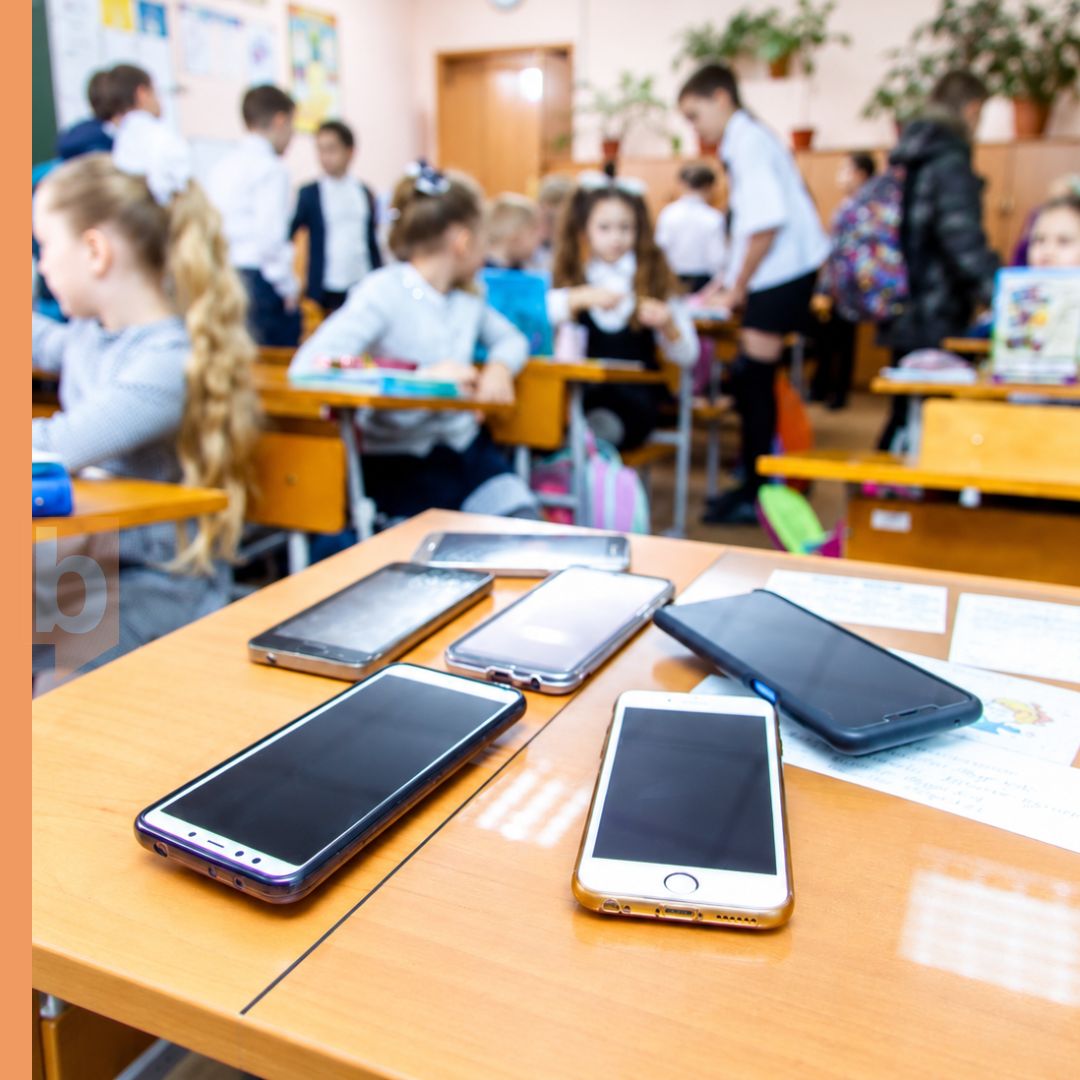
THE HAGUE, Netherlands--The Dutch government wants smartphones kept out of schools for the entire school day, including during breaks and on school grounds, as it expands measures aimed at reducing digital distractions and protecting children from online risks.
The government is targeting January 1, 2027, for the strengthened “At Home or in the Vault” approach, which would extend current restrictions beyond classroom lessons and establish the same general expectation across schools.
State Secretary for Education and Emancipation Willemijn Aerdts is working with the education sector on the new arrangement. The government says many schools already keep phones away throughout the school day and believes extending the approach nationally would encourage remaining schools to follow.
Since 2024, mobile phones, tablets and smartwatches have generally not been permitted for non-educational use during lessons in Dutch primary and secondary schools. Exceptions are allowed when devices are necessary for educational purposes or when students require them because of a medical condition or disability.
The latest proposal goes further by seeking to keep smartphones out of sight during breaks as well, reflecting the government’s position that children should be protected from unwanted digital distractions in environments where they are expected to learn and concentrate.
The smartphone measure forms part of a broader government strategy on children’s rights and online safety announced Monday.
The strategy focuses on creating what the government describes as a safer and healthier online environment for children, with particular attention to addictive digital designs, harmful content and unwanted online contact.
The Netherlands is also working with Spain on proposals for a European minimum age for access to social media services, with limited exceptions. The countries want technology companies to bear greater responsibility for demonstrating that their services are safe for children and comply with applicable rules before younger users are given access.
The Dutch government has also welcomed the European Commission’s proposed EU Kids Act, which includes plans for a European minimum age and stronger safety requirements governing the design of digital services used by children.
Services including YouTube, Roblox, Fortnite, Instagram, Snapchat, TikTok, Netflix and ChatGPT are among those being examined as authorities consider how online platforms affect the wellbeing of children and whether stronger safeguards are required.
Aerdts said children should have a safe environment in which to learn, interact and develop, both offline and online. The government has identified addictive algorithms, harmful material and unwanted contact as among the risks children can encounter through social media, games and other digital services.
The planned school-wide smartphone approach is expected to become one of the most visible elements of that wider strategy, with the government aiming for implementation from January 1, 2027.
Join Our Community Today
Subscribe to our mailing list to be the first to receive
breaking news, updates, and more.
