.jpg)
.jpg)


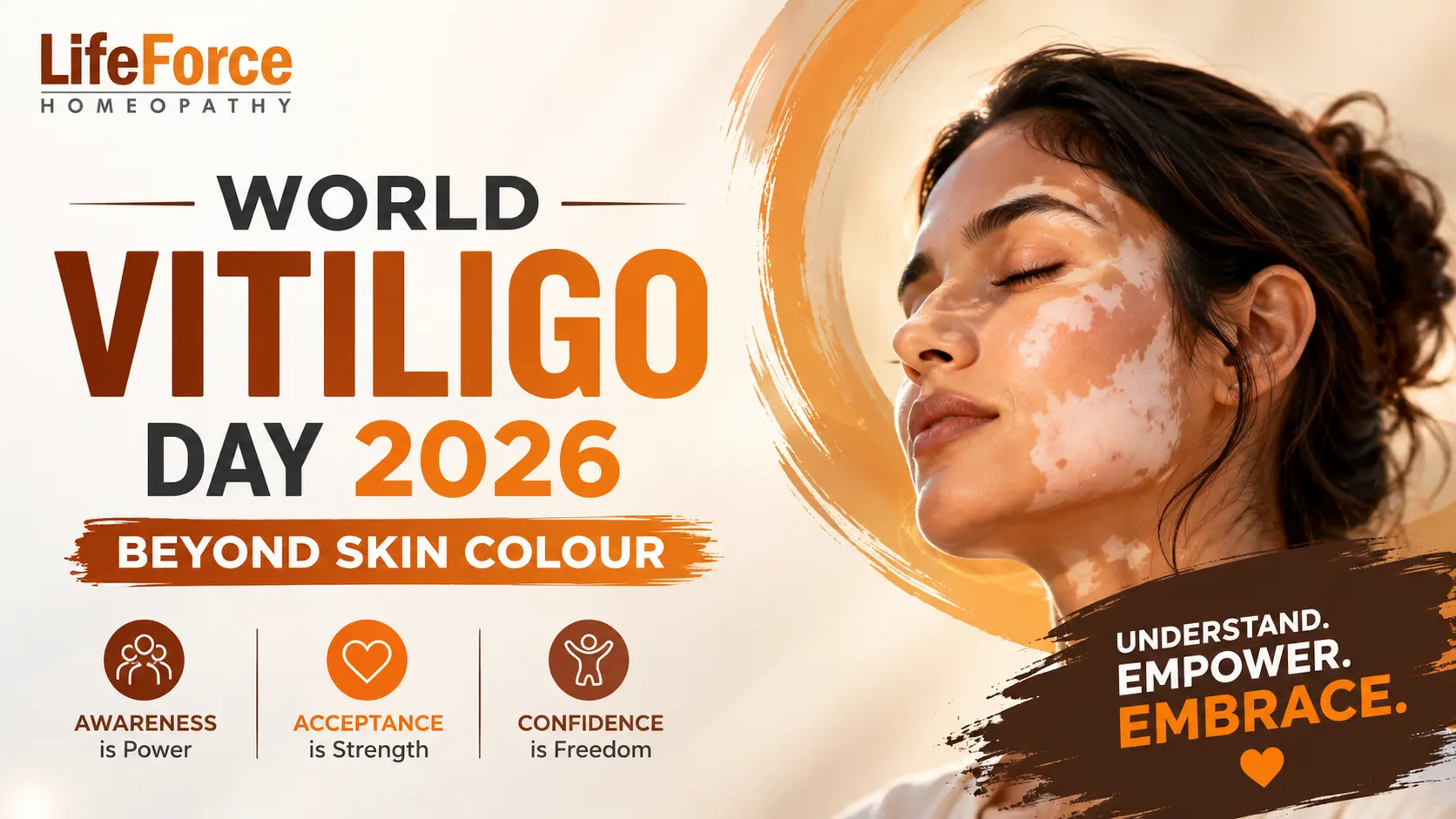
GREAT BAY-- World Vitiligo Day is being observed today, June 25, with advocates across the Caribbean and beyond using the moment to call for greater awareness, better education, stronger support systems and a more compassionate public response to persons living with the condition.
Vitiligo is a long-term autoimmune condition that causes areas of the skin to lose pigment, resulting in lighter or white patches. While it is not contagious, the condition is still widely misunderstood. For many persons living with vitiligo, the challenge is not only medical, but also social and emotional, as visible skin differences can lead to staring, bullying, isolation, low self-confidence and discrimination.
In the Caribbean, where appearance, community identity and public visibility often carry deep social weight, awareness efforts are increasingly important. Advocates say the region must move beyond sympathy and into action by educating schools, training frontline workers, supporting families, encouraging early medical consultation and creating safer public spaces for persons with visible skin conditions.
St. Maarten has joined that wider call through the work of the V.E.I.S.S. Foundation, which has been helping to raise awareness and promote acceptance for persons living with vitiligo. This week, Acting Minister of Public Health, Social Development and Labor Dr. Luc Mercelina met with representatives of the Foundation and signed an official statement recognizing World Vitiligo Day 2026.
The recognition reaffirmed Government’s commitment to awareness, inclusion and support for persons living with vitiligo. The meeting also focused on education, public awareness and reducing the stigma often faced by individuals affected by the condition.
The work of V.E.I.S.S. reflects the type of community-based action that Caribbean societies need. Awareness campaigns are most effective when they move into classrooms, workplaces, churches, youth groups, clinics and media spaces, where myths can be corrected and people can learn that vitiligo is not something to fear, mock or hide.
Across the region, World Vitiligo Day should also encourage governments and health authorities to treat skin health and mental well-being as connected issues. Persons with vitiligo may need access not only to dermatological guidance, but also to emotional support, peer networks and public protection from ridicule and discrimination.
Schools have a particularly important role to play. Children with vitiligo can become targets of teasing or exclusion because classmates do not understand the condition. Simple education about what vitiligo is, and what it is not, can help prevent stigma before it becomes normalized.
The media also has a role in changing how the Caribbean sees skin. More inclusive images, respectful language and stories that feature people living confidently with vitiligo can help shift public perception from curiosity or discomfort to understanding and acceptance.
World Vitiligo Day began as a global awareness movement and has grown into an annual call for dignity, education and support. For the Caribbean, the message is clear: awareness must lead to action.
That action includes better public education, support for advocacy groups such as St. Maarten’s V.E.I.S.S. Foundation, stronger community dialogue and a commitment to ensuring that persons living with vitiligo are seen, respected and included.
On World Vitiligo Day, the call is not only to recognize the condition, but to recognize the people who live with it every day, and to build Caribbean communities where visible difference is met with knowledge, kindness and respect.
Join Our Community Today
Subscribe to our mailing list to be the first to receive
breaking news, updates, and more.